
Skip to SearchSkip to NavigationSkip to BodySkip to Footer
National Park Service LogoU.S. Department of the InteriorNational Park ServiceNational Park Service
National Park Service:  U.S. Department of the InteriorNational Park Service Arrowhead
Kenai Fjords National Park Horned Puffins in Kenai Fjords National Park
view map
text size: largest larger normal
printer friendly

Life Entwined with the Sea

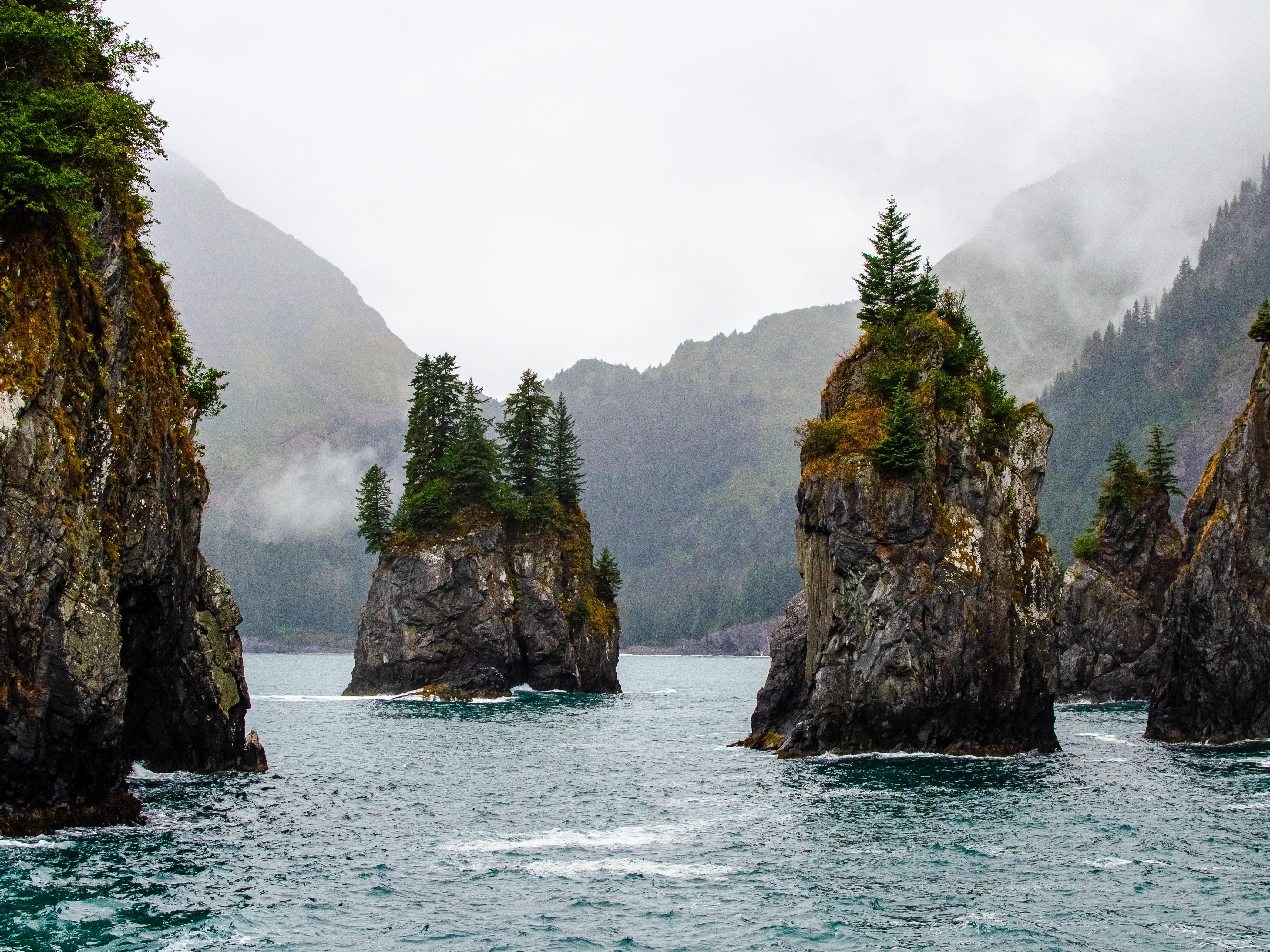
At the tip of the Kenai Peninsula lies a land where the ice age still lingers. In Kenai Fjords, glaciers, earthquakes, and ocean storms are the architects. Ice worms, bears, and whales make their home in this land of constant change. Native Alutiiq used these resources to nurture a life entwined with the sea. Explore this site to discover Kenai Fjords, its history, science, and remote splendor.
 

Exit Glacier

Exit Glacier is the only part of the park accessible by road. Here you can stroll the trails, walk very close to an active glacier or take a ranger-led walk. It is a place where you can witness up close how glaciers re-shape a landscape and learn how plant life reclaims the barren rocky land exposed by a glacier’s retreat.
more...
 

Boat Tours

Boat tours are a great way to experience the park's coastline, tidewater glaciers and marine wildlife.
more...
 

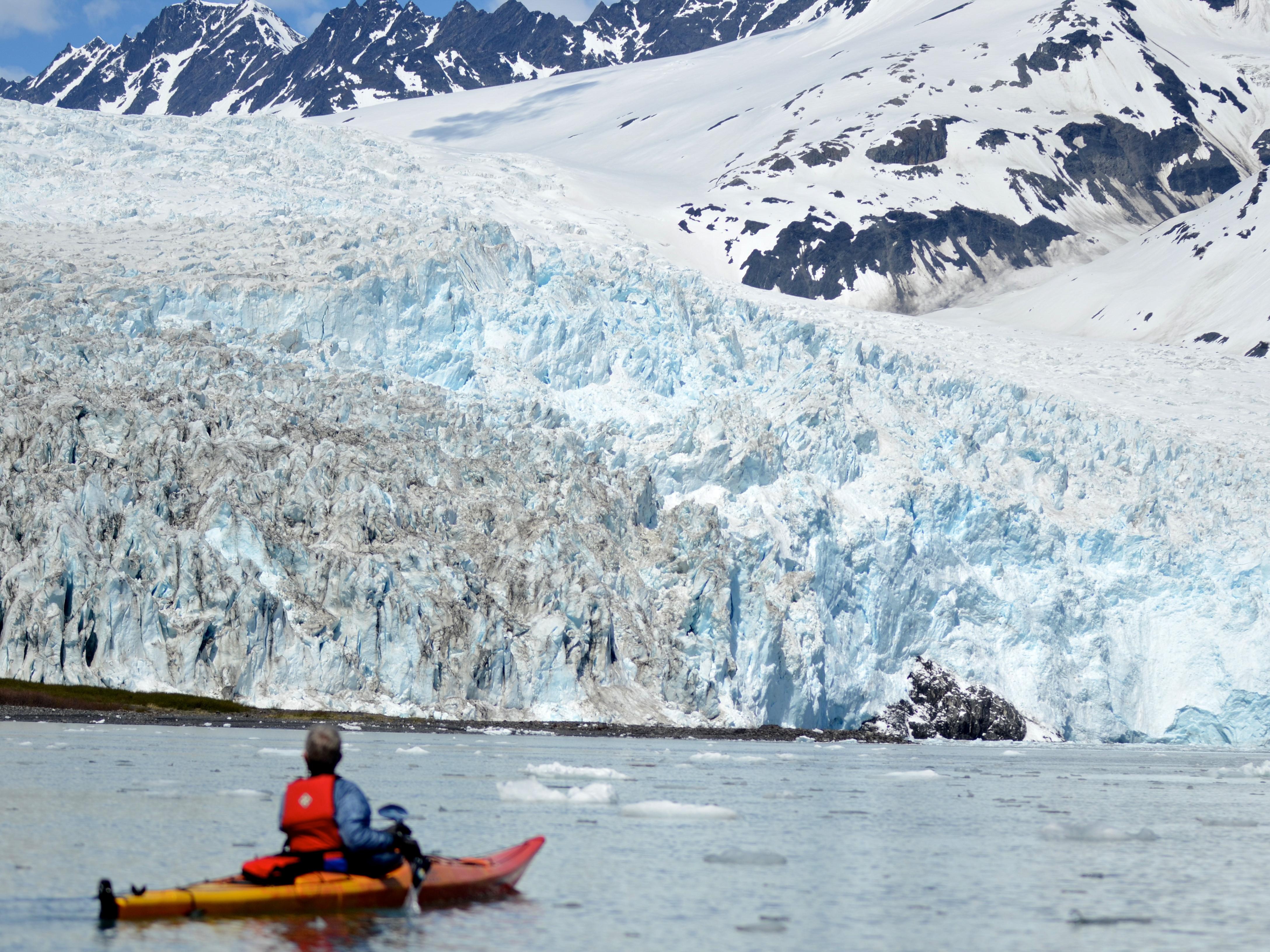
Kayaking the Fjords

Kayaking gets you up close and personal with the marine environment at Kenai Fjords


more...
 

Current Conditions

Kenai Fjords National Park is open year-round; however, the Exit Glacier road is closed to cars for the winter months and much of the spring. Snow at higher elevations on the Harding Icefield trail can persist into mid-summer. It is always a good idea to check on current conditions before setting out. Follow the link below or call the park's automated line at (907) 422-0573 for more information.


more...


Write to

Kenai Fjords National Park
P.O. Box 1727
Seward, Alaska 99664

E-mail Us

Phone

Park Headquarters
(907) 422-0500

Recorded Park Information Line
(907) 422-0573

Fax

(907) 422-0571

Climate

Overcast and cool days are frequent in this maritime climate of abundant rain. Summer daytime temperatures range from the mid-40s to low 70s (F). The wet, stormy fall begins in September. Wool or synthetic clothing and sturdy rain gear - pants, coat and hat - are essential.
more...
Skip to SearchSkip to NavigationSkip to BodySkip to Footer
The Harding Icefield in Kenai Fjords National Park

Did You Know?
The Harding Icefield accumulates 400-800 inches of snow each year. It takes between 30-50 years for that snow to compress into glacial ice.

Last Updated: January 19, 2012 at 15:38 MST

CANCEL

You are exiting the National Park Service website

Thank you for visiting our site.

You will now be redirected to:

We hope your visit was informative and enjoyable.