• Explore and Discover One of the Last Frontiers in the World ...

    Jewel Cave

    National Monument South Dakota

There are park alerts in effect.
hide Alerts »
  • No Reservations in 2013

    Beginning January 2, 2013, Jewel Cave National Monument will not offer advanced ticket reservations, except for Wild Caving dates. Due to construction projects and assumed disruptions in service, ticket sales will occur on a first come first serve basis. More »

Animals

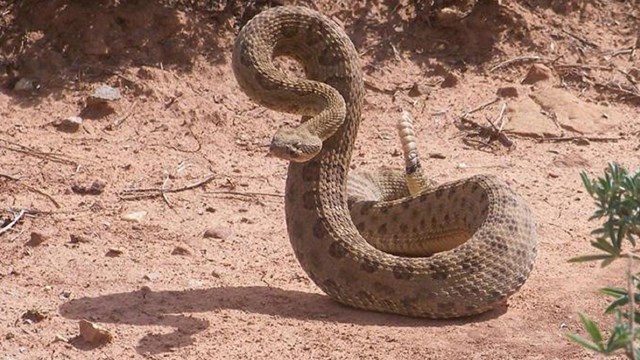
Many animal species make Jewel Cave National Monument their home. Most live in the ponderosa pine forest and open meadows of the surface, but some also live in the cave itself.

 
A packrat, or bushy-tailed woodrat

Packrats are often seen near the historic cave entrance.

Martin Roest

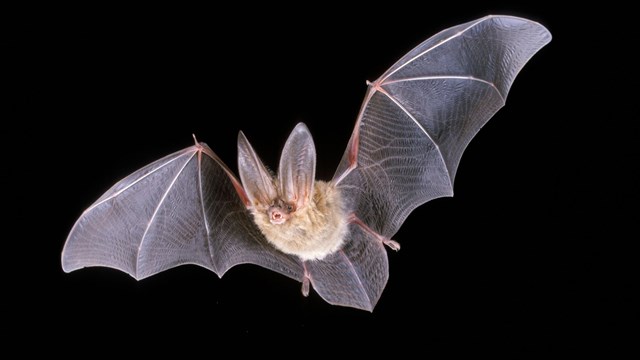
Over 1,000 bats use Jewel Cave as a winter hibernaculum, and some stay into the summer. Many packrats also make the cave their year-round home. They can sometimes be seen on the Lantern Tour.

Springtails are small insects that can be found near the historic entrance and around the Scenic Tour route. Deep in the cave, only protozoa and other microbes are able to survive, because of the lack of food. In fact, almost all cave life at Jewel Cave is found near the entrances, because there is no natural mechansim for carrying organic material deeper into the cave.

 
Eastern cottontail rabbit

Eastern cottontail rabbits are common near the visitor center.

Tonia Foster

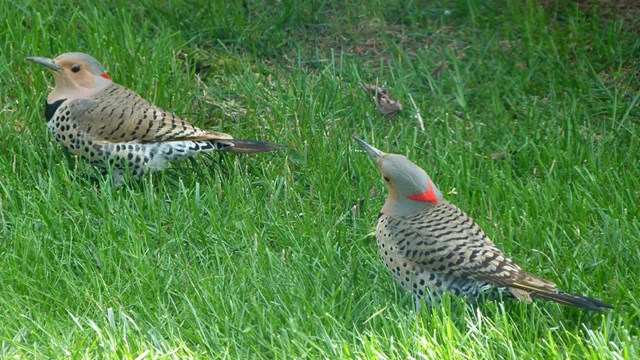
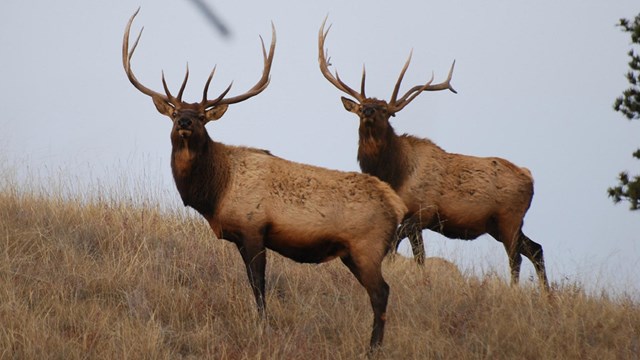
On the surface, herds of elk pass through the park, grazing on the meadows opened up by the Jasper Fire. These shy animals are rarely seen. Easier to find are white-tailed deer, mule deer, rabbits, red squirrels, and birds.

Did You Know?

A caver measures wind speed at the Humdinger / NPS file photo

Due to changes in barometric pressure, strong winds blow through Jewel Cave’s passages miles from the natural entrance. Areas in the cave where the wind is exceptionally strong or loud have names like Hurricane Corner, Whistle Stop, Exhaust Pipe, Humdinger, and Drafty Maneuver.