National Heritage Areas
Since 1984, the National Heritage Areas program has attempted to craft a conservation model that relies on both the passion of grassroots advocates and the experience of NPS professionals. Though still relatively new, the Heritage Area approach has already been incredibly successful, creating thousands of new conservationists, preservationists and historians in communities across the country. Each year, more and more regions seek recognition under the program, a testament to the desire of citizens to protect and preserve the living landscapes in which they live.

Up Close and Personal

Charles Flynn, Executive Director of the Yuma Crossing National Heritage Area shares his perspective on NHA's in the Western U.S.

In the beginning...

First inaugurated in 1984, with the designation of the Illinois & Michigan Canal National Heritage Corridor, the National Heritage Areas program now encompasses 49 areas, ranging from factory towns and city neighborhoods to farmland and battlefields.

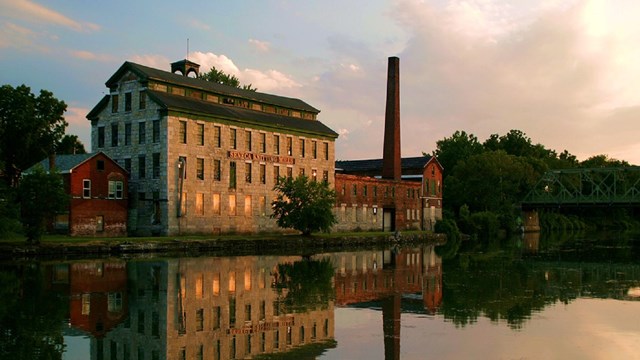
Following the designation of the Illinois and Michigan Canal, two other landscapes were also recognized, the Blackstone River Valley NHC in Rhode Island (1986) and the Delaware and Lehigh NHC in Pennsylvania (1988). Both the Blackstone and the Delaware and Lehigh shared common themes with the I&M, in particular an emphasis on industrial history. The authorizing legislation of all three areas also stressed the potential for economic revitalization through improved resource protection.

school activity at Rivers of Steel National Heritage Area
An educational program at the Rivers of Steel National Heritage Area, designated in 1996.
NHA's at work

  • In 2008, National Heritage Areas on average levraged every $1 they received from the National Park Service into $5.50 of additional investment.

  • In 2008 National Heritage Areas supported the development of 55 miles of new trails and provided 78 grants to National Register properties.

  • In 2008 NHA's worked with more than 4,250 partners to complete projects ranging from the development of new elementary school curriculums to the removal of invasive species along our nation's waterways.

Interpreters along the Illinois and michigan canal
Interpreters guide a tour group in the Illinois & Michigan Canal National Heritage
Corridor, designated in 1984.

An Expanding Network

In 1996, Congress responded to an increased popularity in the program by creating eleven areas, tripling the size of the program. These areas represented a diverse array of stories and resources. They began to include significant natural resources that helped shape the cultural identity of a place.

Over the next few years, even more NHAs would be authorized, bringing the total number to thirty-seven by the end of 2006.

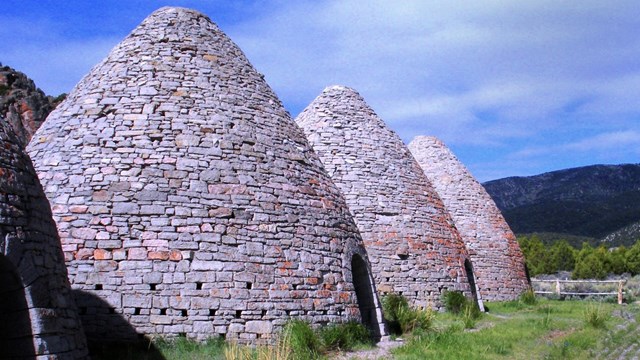
The Heritage Area movement was beginning to spread west with designations in Utah, Arizona and New Mexico.


Click here to view a video about the Journey Through Hallowed Ground National Heritage Area's exciting program. Approximately 70 Harpers Ferry Middle School kids served as writers, editors, photographers, choreographers, set designers, videographers, and even public relations representatives to produce and promote six mini-documentaries, depicting their understanding of the famous John Brown Raid in Harpers Ferry, which set-off fighting in the American Civil War.

Chuck Arning, Park Ranger

Read an interview with Ana Koval, Executive Director Illinois & Michigan Canal National Heritage Corridor

Chuck Arning, Park Ranger

Read an interview with Chuck Arning, Park Ranger John H. Chafee Blackstone River Valley Heritage Corridor

Partnership Profiles

Natalie Gelb Solfanelli, Executive Director of the Lackawanna Heritage Valley Authority, and Kip Hagen, Superintendent of Steamtown National Historical Park, participated in an interview discussing their partnership.
Read the interview and listen to excerpts

abraham lincoln NHA
The Abraham Lincoln National Heritage Area was designated in 2008.

NHA's Today

March 2009 brought 9 new National Heritage Areas into the program. Included on this list is the first area in Alaska.

As the heritage area model continues to grow in popularity more and more people across the country are made aware of the fascinating people, places and history right in their own backyards!


Larry Blake, Superintendent of Dayton Aviation Heritage National Historical Park and Tony Sculimbrene, Executive Director Aviation Heritage Foundation, Inc. discuss the evolution of their park/heritage area relationship. Read the interview and listen to excerpts

Unforgettable Moments

Heritage Makers
Heritage Partners
  • 1984 - National Heritage Area Program is inaugurated
  • 1986 & 1988 - 2nd and 3rd Heritage Areas designated
  • 1996 - 9 new Heritage Areas are added to the program
  • 2006 - Heritage Areas total 37
  • 2009 - 9 new Heritage Areas are created bringing the total number to 49
  • Chuck Arning, Park Ranger, John H. Chafee Blackstone River Valley National Heritage Corridor
  • Ana Koval, Executive Director, Illinois & Michigan Canal National Heritage Corridor
  • Charles Flynn, Executive Director, Yuma Crossing National Heritage Area
  • Lackawanna Heritage Valley National Heritage Area and Steamtown National Historical Park in northeastern Pennsylvania
  • National Aviation Heritage Area in Dayton, Ohio and Dayton Aviation Heritage National Historical Park