



|
With the headwaters of three continental drainages located in Glacier Park, flora and fauna have diverse affinities with many species occurring near the geographic limits of their range. Even slight differences in elevation and directional exposure can radically alter the occurrence of specific habitats and, hence, the distribution of plants and animals. Monitoring changes to the environment, such as impacts due to global climate change and the spread of exotic species, is matched with serious restoration efforts. We want to pass this place to future generations the way it is today, or better. 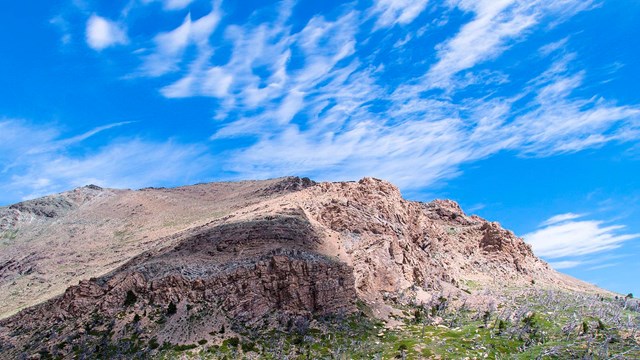
Air Quality
Glacier is protected under the Clean Air Act as a Class I airshed 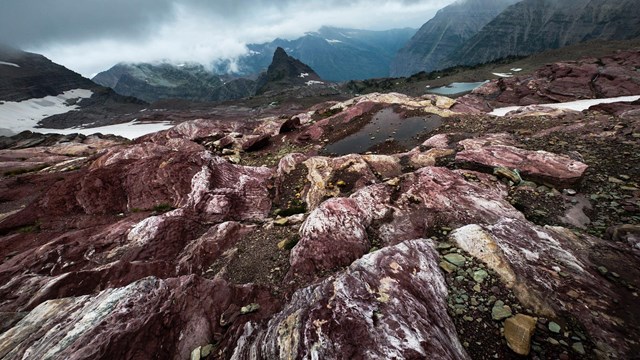
Climate Change
Glacier's alpine glaciers make it one of the top research sites for climate science and a place to see climate change in action. 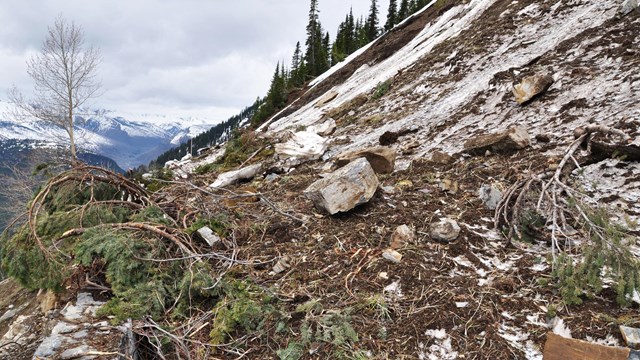
Geologic Activity
These mountains are a place of constant activity. 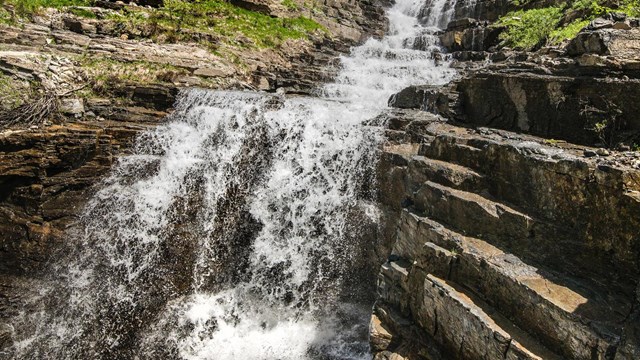
Hydrologic Activity
Glaciers and snowpack feed hydrologic activity throughout the summer. 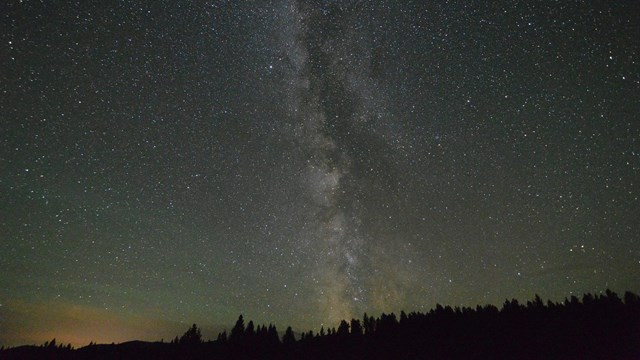
Lightscape / Night Sky
Glacier protects an important resource that is diminishing in a increasingly urban nation. 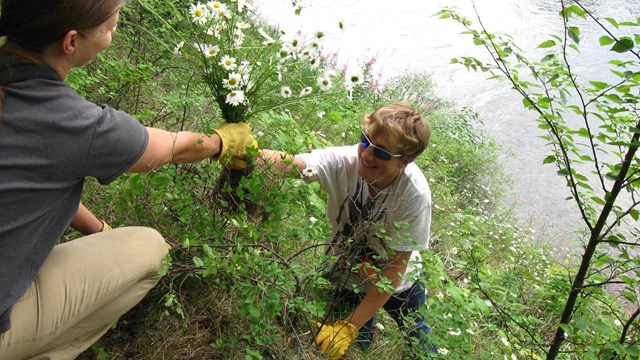
Nonnative Species
Invasive plants and aquatic species threaten native species existence, spurring park restoration efforts. 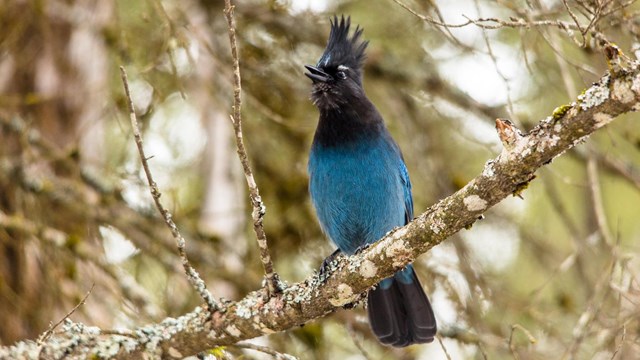
Soundscape / Noise
The song of a bird and roar of a waterfall are all part of Glacier's natural soundscape. 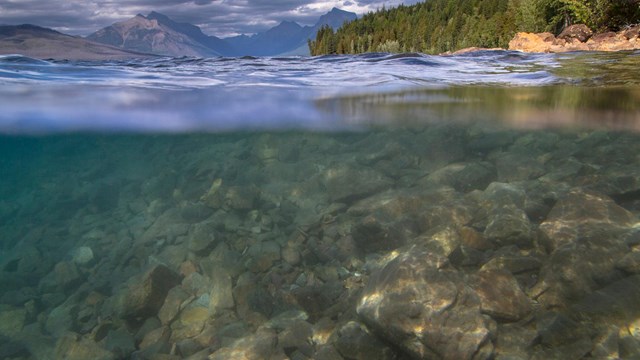
Water Quality
As the nation's headwaters, Glacier waters are worthy of protection. 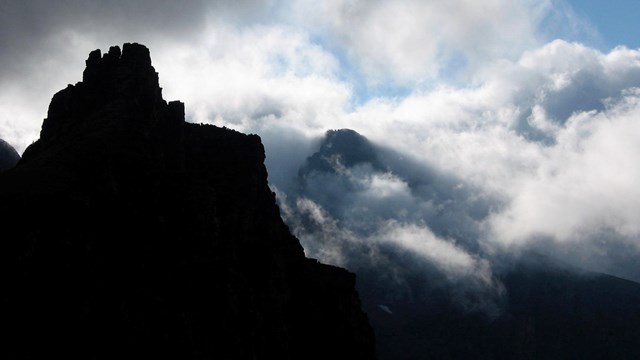
Weather
The Continental Divide makes for unpredictable weather in Glacier's mountains. Areas of Concern The preservation and maintenance of Glacier's natural resources is a daunting task for park managers given the growing list of threats, including some that are global in scale such as a warming climate. The introduction of invasive, nonnative (exotic) plant and fish species are major issues too. For an up-to-date list of federally listed species under the Endangered Species Act, please visit the species list maintained by U.S. Fish and Wildlife Service. Glacier National Park provides habitat for state-listed species of concern. More information can be found by visiting the Montana Natural Heritage Program. Glacier has joined over 120 other parks in the Climate Friendly Parks initiative. Member parks make it a top priority to respond to climate change and move park operations in a more sustainable direction.
Wilderness "Wilderness" is a word with many emotional or historical meanings, but one meaning carries federal distinction. Official Wilderness designation and addition to the National Wilderness Preservation System requires an act of Congress. Glacier National Park lands are not designated, but are managed as wilderness per NPS policy. Over 90% of the park has been proposed for inclusion.
|
Last updated: December 10, 2021