




NPS Photo Nature at Fort Matanzas National Monument The original national monument site consisted of only the fort on Rattlesnake Island. Through the years, however, the National Park Service has acquired additional land on both Rattlesnake and Anastasia Islands and has been able to preserve a slice of an intact barrier island ecosystem. The river and ocean beaches as well as the .6 mile nature trail offer visitors the opportunity to view a variety of plants and wildlife native to this ecosystem. 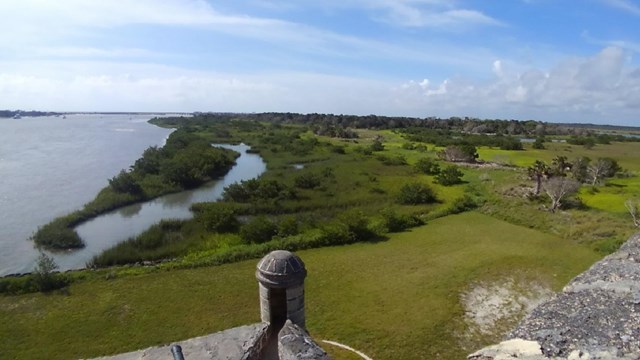
Natural Features & Ecosystems
The forest, dunes, scrubs, and salt marsh ecosystems are able to provide food and shelter for a myriad variety of plants and animals. 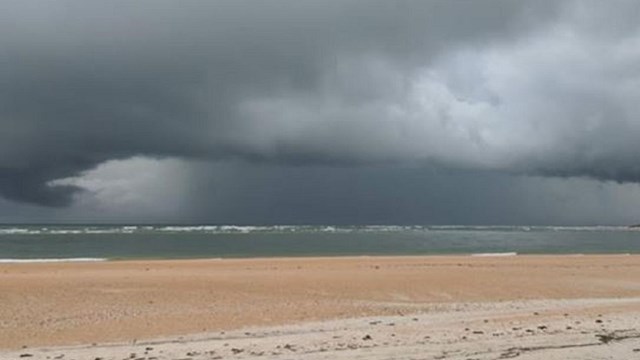
Environmental Factors
Find out more about the plants and animals in the park and how best to protect and interpret them. 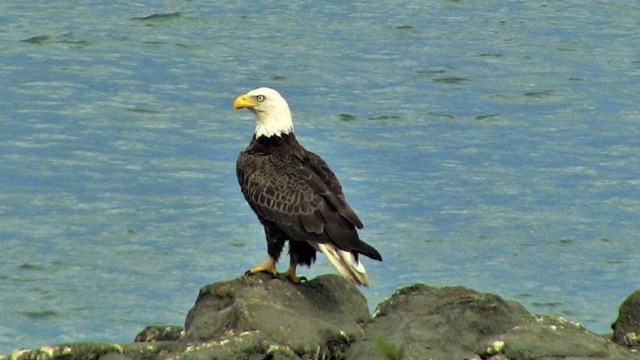
Animals
Click here to learn about the many animals found here at the park. 
Calendar of Events
Click here for upcoming events and ranger led activities. 
K. Krysko -- Used by Permission Snakes and Turtles and Frogs, Oh My! Dr. F. Wayne King from the University of Florida conducted an extensive survey of the reptiles and amphibians found at Fort Matanzas National Monument. Click HERE for the results of his study complete with information on each species' ecology and habitat and photographs like this one of a red rat snake (corn snake), one of the beautiful, non-venemous snakes at Fort Matanzas. 
GTMNERR The area around Fort Matanzas National Monument is also part of the Guana-Tolomato-Matanzas National Estuarine Research Reserve (GTMNERR), one of 25 such reserves in the United States. Designated in 1999, GTMNERR is a federal/state partnership administered by the Florida Department of Environmental Protection. |
Last updated: July 16, 2022