National Park Service LogoU.S. Department of the InteriorNational Park ServiceNational Park Service
National Park Service:  U.S. Department of the InteriorNational Park Service Arrowhead
Florissant Fossil Beds National Monument top photo
view map
text size: largest larger normal
printer friendly
Florissant Fossil Beds National Monument
Nature & Science
 
Nature and Science

Cliff and Jean Dickey

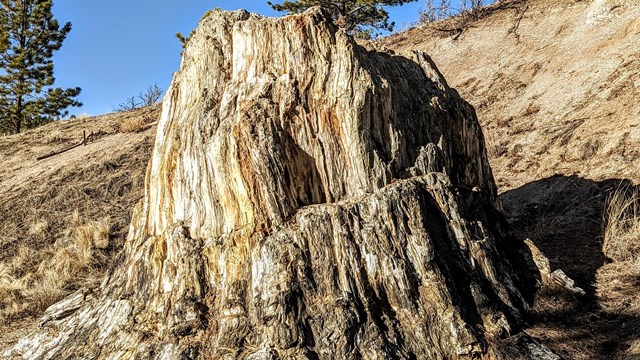
Overview of a petrified Sequoia tree and the Florissant Valley

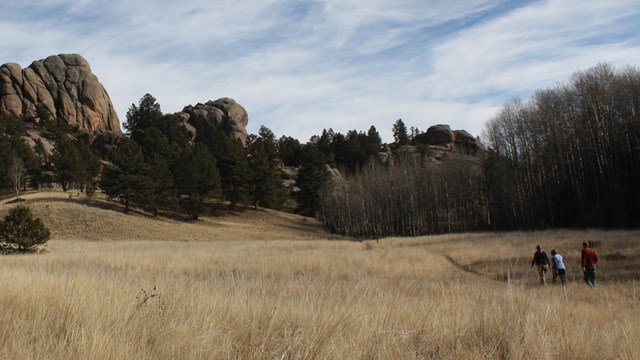
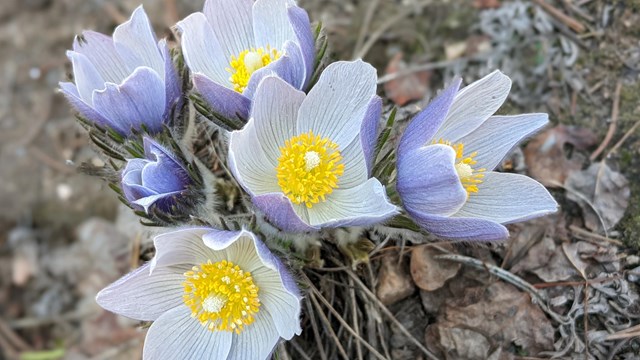
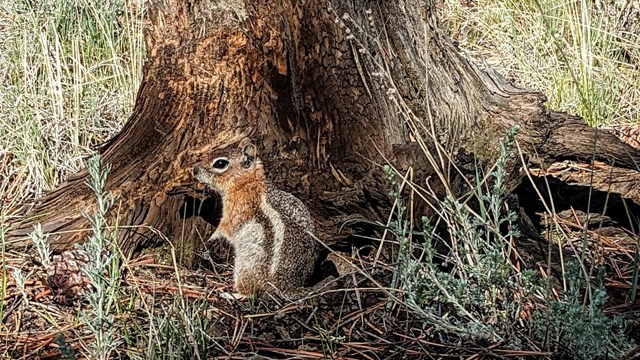
Located 35 miles west of Colorado Springs, Florissant Fossil Beds N.M. is a 6,000 acre wonderland of meadows, forests, and wildflowers. At 8,400 feet of elevation, the Monument lies within the montane life zone. Ponderosa Pine, Aspen, Fir, and Spruce are the dominant trees. Wapiti (Elk), mule deer, coyotes, foxes, bears, mountain lions, are some of the large mammals that inhabit the area. Birds of prey scan the meadows for ground squirrels and mice. 

Beneath the ground is one of the richest and most diverse fossil deposits in the world. Up to 1700 different species have been described. A majority of those fossils are fragile, detailed compression and impression fossils of insects and plants. The largest fossils are massive, petrified Sequoia trees. These are some of the largest diameter petrified trees in the world.


If you love fossils, be sure to check out the other 8 national park units designated to protect fossils:

  1. Agate Fossil Beds National www.nps.gov/agfo
  2. Badlands National Park www.nps.gov/badl
  3. Dinosaur National Monument www.nps.gov/dino
  4. Fossil Butte National Monument www.nps.gov/fobu
  5. Guadalupe Mountains National Park www.nps.gov/gumo
  6. Hagerman Fossil Beds National Monument www.nps.gov/hafo
  7. John Day Fossil Beds National Monument www.nps.gov/joda
  8. Petrified Forest National Park www.nps.gov/pefo

You are exiting the National Park Service website

Thank you for visiting our site.

You will now be redirected to:

We hope your visit was informative and enjoyable.

Last Updated: June 01, 2011 at 15:36 MST