



|
Visitors come to Death Valley to experience the stark and lonely vastness of the valley; the panorama of rugged canyons and mountains; the pleasures of the dry, moderate winter climate; the challenge of the hot, arid summer; the relief of the cooler mountains; and the reminders of frontier and Native American ways of life. Yet, Death Valley National Park's greatest value is as an outdoor natural history museum. It contains fine examples of most of the earth's geological eras and the forces that expose them. Plant and animal species, some of which occur nowhere else in the world, have adapted to the harsh Mojave Desert environment here in remarkable ways. Extremes of climate and geography make it the ultimate showcase of an American desert. 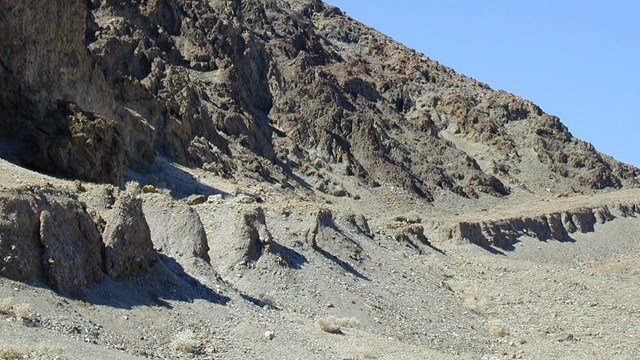
Faults
Faulting is the one of the main reasons Death Valley exists. 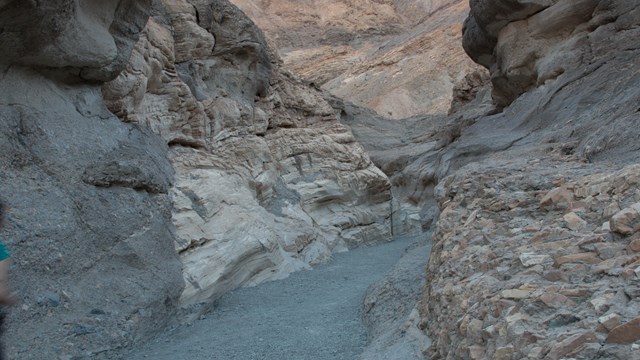
Geologic Formations
Death Valley NP is renowned world-wide for its exposed, complex, unique tectonics and diverse geologic resources. 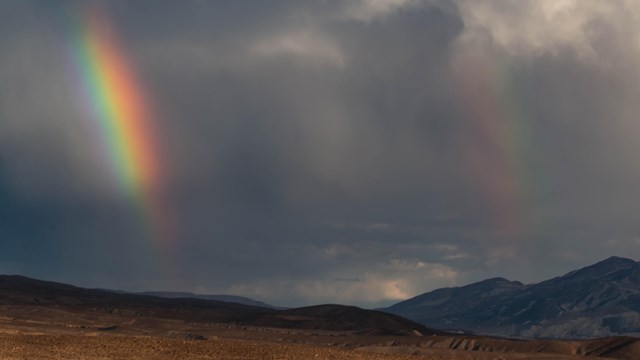
Weather and Climate
Death Valley is famous as the hottest place on earth and driest place in North America. 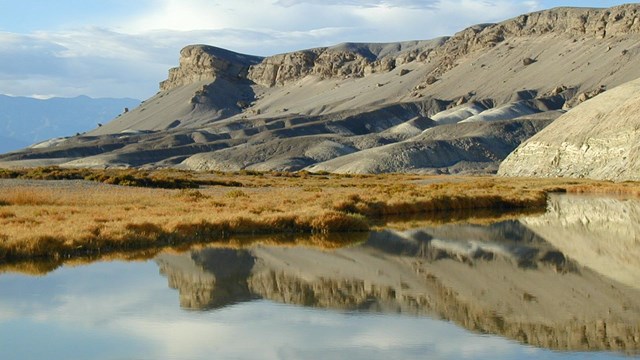
Springs and Seeps
Wetland and riparian areas have a unique scientific value. 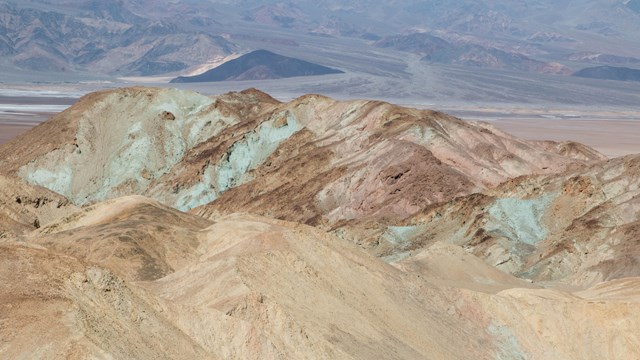
Death Valley Geology
Death Valley National Park show-cases the subtle beauty and uniqueness of desert environments. 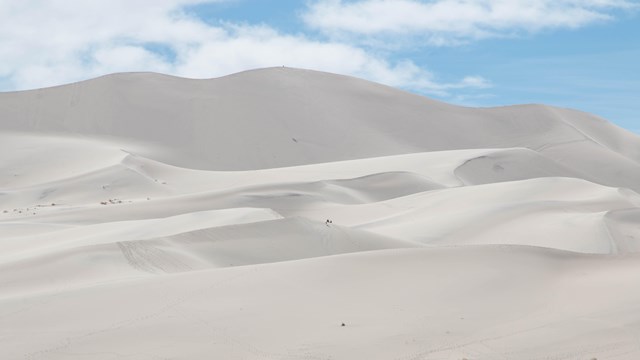
Sand Dunes
The sand dunes of Death Valley National Park are excellent places for nature study and recreation. 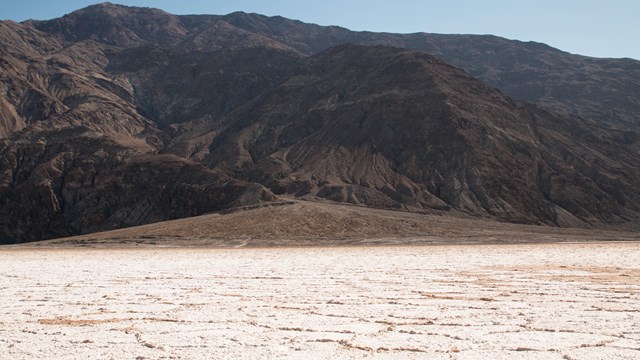
Salt Flats
The salt flats in Badwater Basin cover nearly 200 square miles, among the largest protected salt flats in the world. 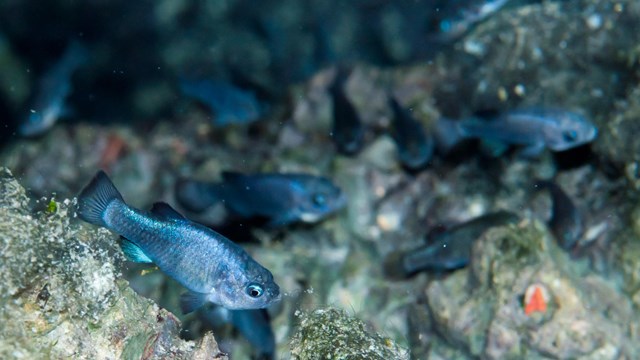
Devils Hole
Devils Hole--a detached unit of Death Valley National Park--is habitat for the only naturally occurring population of the endangered Devils 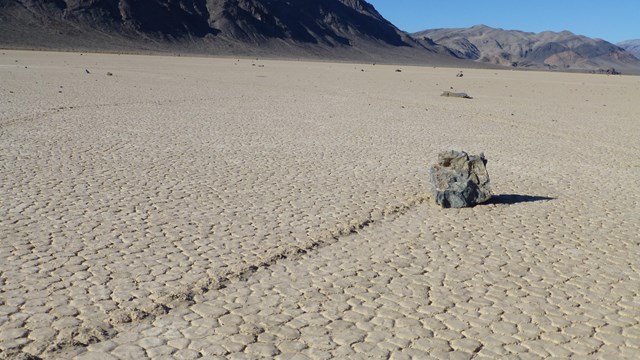
Racetrack Playa
Nestled in a remote valley between the Cottonwood and Last Chance Ranges, the Racetrack is a place of stunning beauty and mystery. |
 |
|
Last updated: September 28, 2021