-
EXTREME SUMMER HEAT
Expect high temperatures of 100 to 120 degrees F on your summer visit to Death Valley. Heat related illness is a real possibility. Drink plenty of water and carry extra. Avoid activity in the heat. Travel prepared to survive. Watch for signs of trouble. More »
-
Furnace Creek Visitor Center hours to change for Summer 2013
To better serve summer visitors, the Furnace Creek Visitor Center will be open from 9:00 am to 6:00 pm beginning June 16 through October 7, 2013.
-
Furnace Creek Campground Temporary Closure
Furnace Creek Campground will be CLOSED for construction starting April 16, 2013. Texas Springs Campground will remain open for summer camping in the Furnace Creek Area. More »
Nature & Science
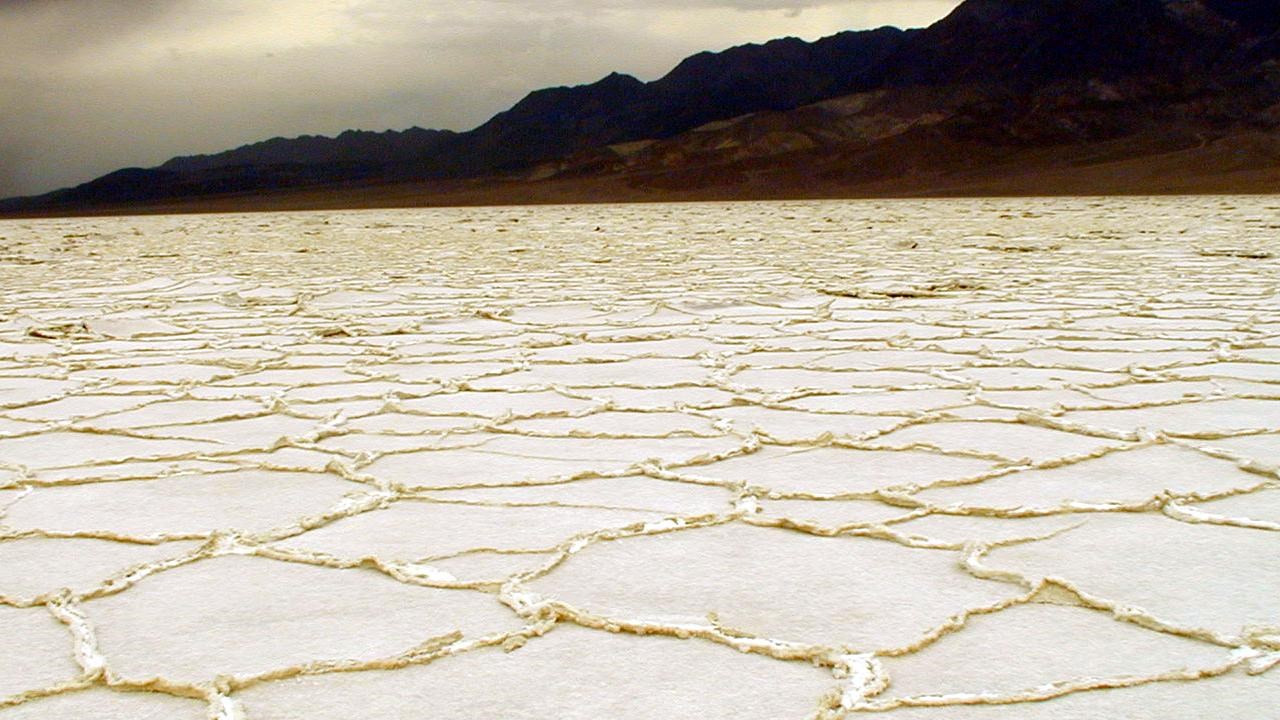
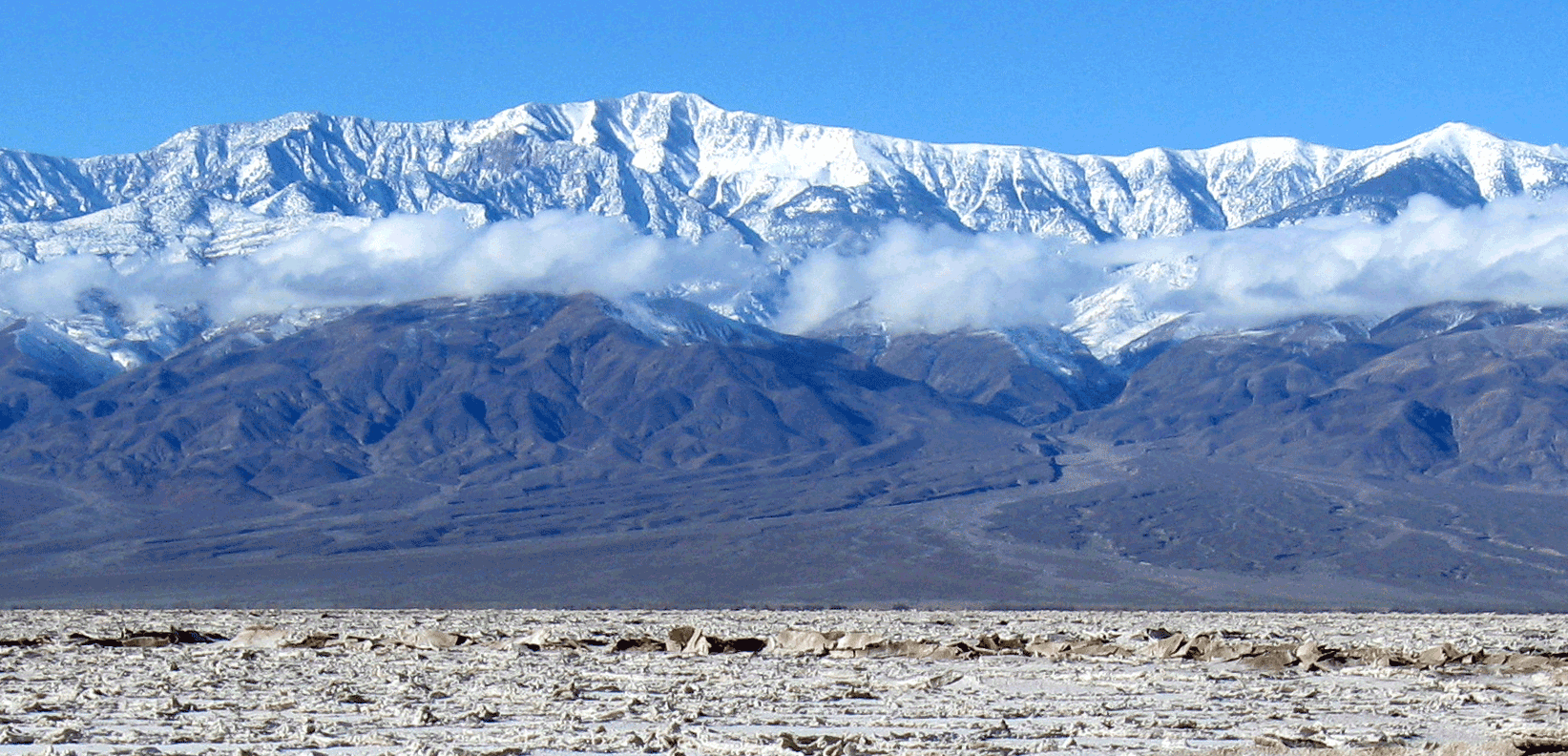
The snow-capped Panamint Mountains rise more than 11,000 feet above the nation's lowest elevation, -282 feet Badwater Basin.
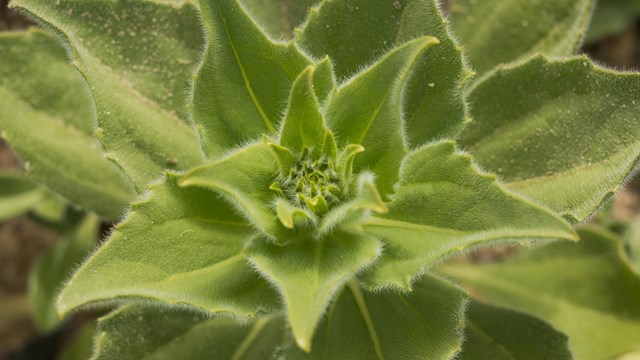
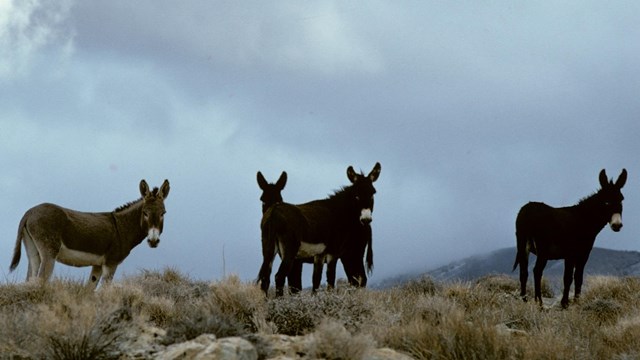
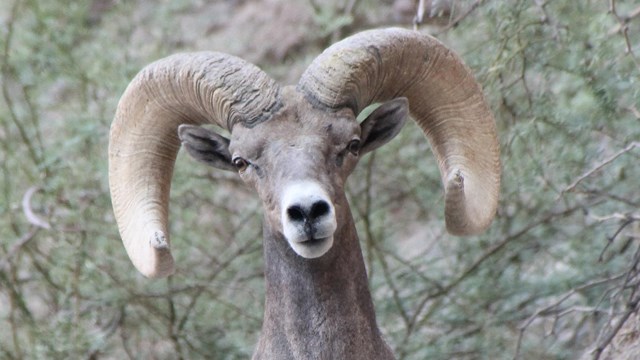
Research Permits Death Valley: The name is forbidding and gloomy. Yet here you can find colorful badlands, snow-covered peaks, beautiful sand dunes, rugged canyons, the driest and lowest spot in North America, and the hottest in the world. On any given summer day, the valley floor shimmers silently in the heat. For five months of the year unmerciful heat dominates the scene, and for the next seven the heat releases its grip only slightly. Rain rarely gets past the guardian mountains, but the little rain that does fall is the life force of the wildflowers that transform the desert into a vast garden. Despite the harshness and severity of the environment, more than 1000 kinds of plants live within the park. Those on the valley floor have adapted to a desert life by a variety of means. Some have roots that go down 10 times the height of a person. Some plants have a root system that lies just below the surface but extends out in all directions. Others have leaves and stems that allow very little evaporation and loss of life giving water. Wildlife has also learned to deal with the heat. Animals that live in the desert are mainly nocturnal. Night, the time of seeming vast emptiness, is actually the time of the comings and goings of innumerable small animals. Larger animals, such as the desert bighorn sheep, move to the cooler higher elevations. With elevation gain, moisture increases until on the high peaks there are woodlands of juniper, pinyon pine, mountain mahogany, limber pine, and even bristlecone pine. In winter months, the peaks surrounding the valley are often snow-covered. Included within the Mojave and Colorado Deserts Biosphere Reserve, Death Valley is an active world of contrasts and extremes. It is much more than its name. |
Did You Know?
The average evaporation rate in the bottom of Death Valley is 150 inches a year. Since the average rainfall is less than 2 inches ... the two don't quite meet. More...
Geology Fieldnotes