



|
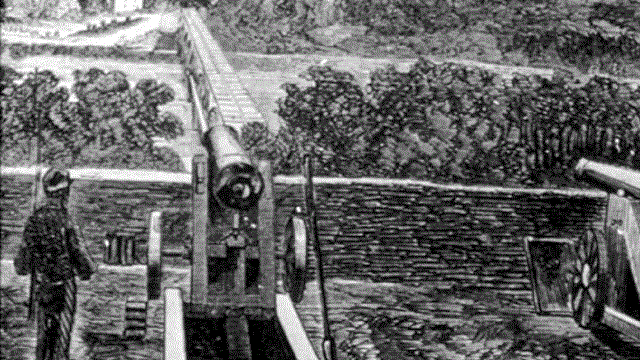
In 1860, the Union capital, Washington, D.C., was a sleepy city of approximately 62,000 residents. The city sat almost completely unprotected, with Fort Washington, the lone fortification, being 12 miles south. Virginia, a Confederate state, lay on one side of the city, and Maryland, a slave-owning state, was on the other, leaving Washington dangerously vulnerable. Realizing the potential danger the city faced, the Union army constructed additional fortifications for the city. By 1865, the Defenses of Washington included 68 forts, supported by 93 detached batteries for field guns, 20 miles of rifle pits, and covered ways, wooden blockhouses at three key points, 32 miles of military roads, several stockaded bridgeheads, and four picket stations. Along the circumference of the 37-mile circle of fortifications were emplacements for a total of 1501 field and siege guns of which 807 guns and 98 mortars were in place. The defenseless city of 1860 had become one of the most heavily fortified cities of the world. Not only did the defenses serve their purpose well by deterring Confederate attack on the capital, but they impacted the city culturally, socially, and politically. For example, many enslaved people came to the fort system for protection and settled nearby, changing the cultural landscape of the city. The population doubled in less than five years and changed in character from southern origin to northern newcomers. The physical landscape was drastically affected, as well. Miles and miles of trees and many buildings were razed to construct the defense system--creating a fort-capped circle around the city.
Stories
Historical stories that involved or were related to the Civil War Defenses of Washington. 
People
Information on important groups of people and/or individuals who had an influence or connection to the Civil War Defenses of Washington. 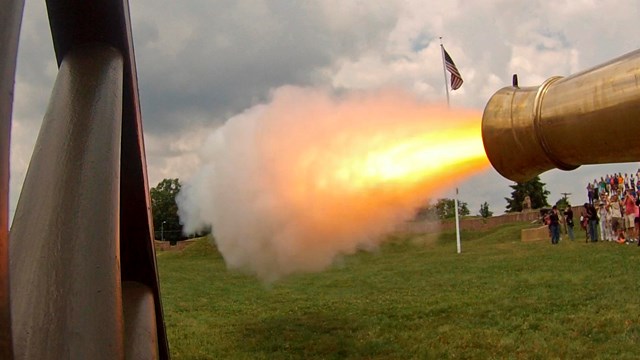
Places
Today nineteen fort sites are administered by the National Park Service located on approximately 130 acres. |
Last updated: May 29, 2020