



|
The awesome effects of volcanism are evident throughout Craters of the Moon National Monument and Preserve. Over the past 15,000 years, lava eruptions created a rugged landscape that provides habitat for a surprising diversity of plants and animals in a high desert ecosystem. Preservation of the unique geological and biological features found here is the overriding purpose of the Monument. To that end, basic and applied scientific research, resource inventories, and monitoring of resource conditions play important roles in the identification, characterization, and interpretation of the Monument’s resources. 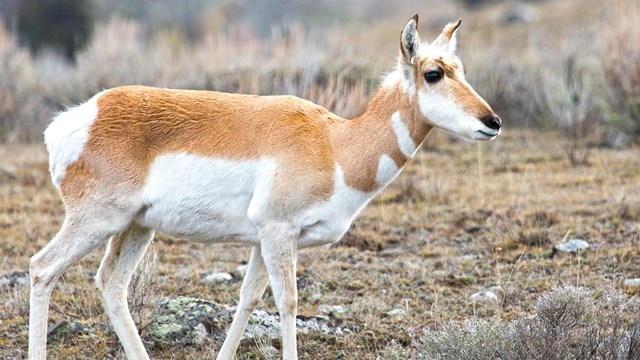
Animals
Explore the unexpected diversity of animal life at Craters of the Moon. 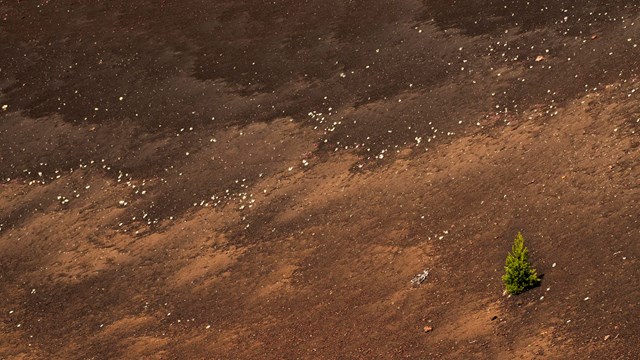
Plants
Discover how plants survive in a harsh volcanic landscape. 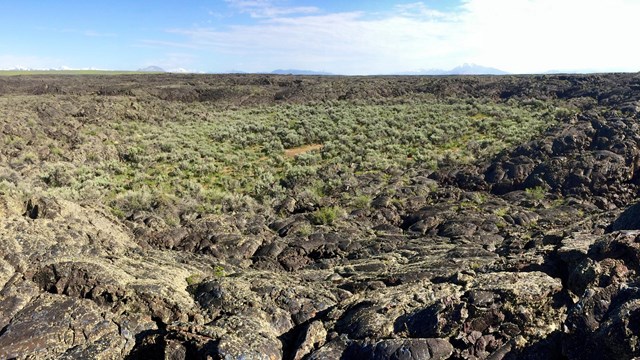
Ecosystems
A wide variety of ecosystems are found at Craters of the Moon. 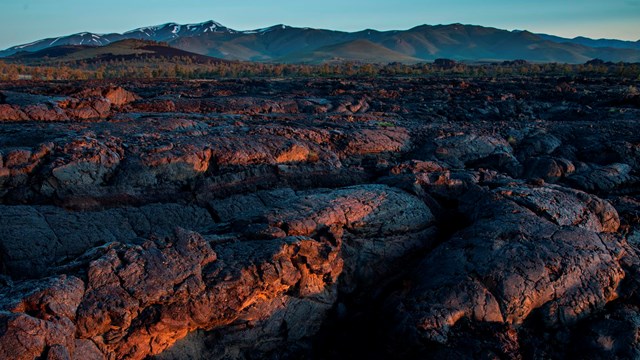
Natural Features
Vast lava fields intersect with sagebrush desert to create a unique landscape. 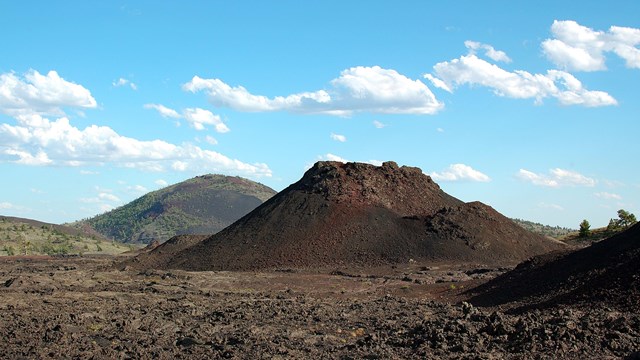
Environmental Factors
Learn how both natural and human forces continue to alter Craters of the Moon. 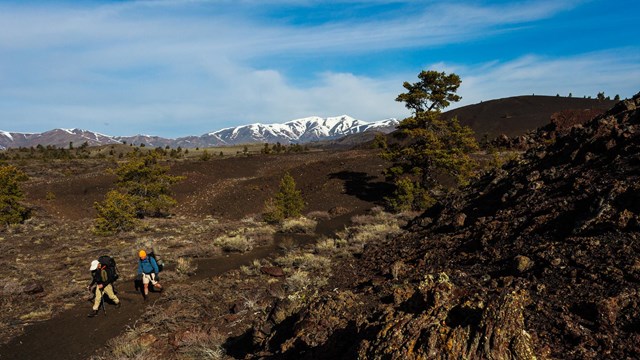
Conduct Research at Craters
Apply for a scientific research permit. |
 |
|
Last updated: November 18, 2023