
The beginning and end of British America has roots on these windswept sands
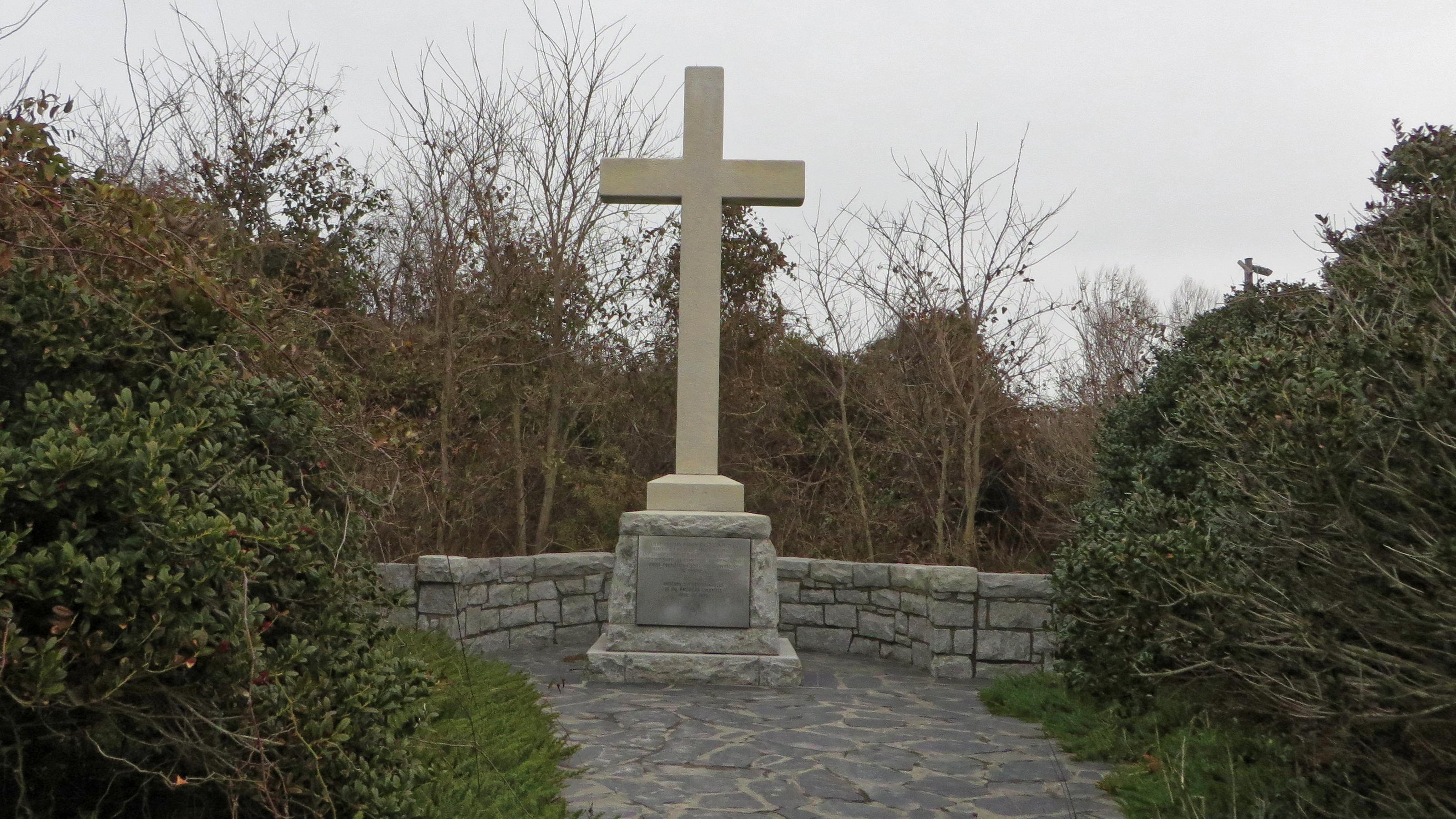
English colonists first landed here in April 1607, erected a wooden cross and gave thanks for a successful crossing to a new land. In 1781, Americans could watch from these same sand dunes the largest naval battle of the Revolutionary War. Our French Allies defeated a British fleet just off this shore to set the stage for General George Washington's victory at Yorktown.
Features
-
Cape Henry Memorial Cross
According to George Percy, "The nine and twentieth day we set up a cross at Chesupioc Bay, and named the place Cape Henry."
Read More -
Admiral Francois-Joseph Paul Comte de Grasse
French fleet commander Admiral Comte de Grasse bested a British fleet off these shores, establishing a naval blockade of the British at Yorktown.
Read More -
Cape Henry Lighthouses
Near the Cape Henry Memorial, two lighthouses have guided ships through the mouth of the Chesapeake Bay since 1792.
Read More
Did You Know?
In 1781, the French fleet, commanded by Admiral de Grasse, blockaded the Chesapeake Bay just offshore from Cape Henry, contributing to Lord Charles Cornwallis’ surrender to General George Washington at the siege of Yorktown.