
|
NPS
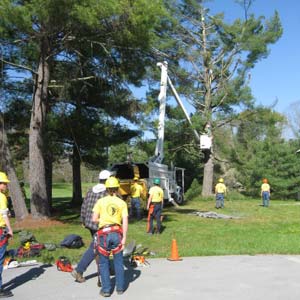
Contact: Steve Handly, 423.569.2404 ext 318 Students from the Urban Forestry Trade program at the Pine Knot Job Corps Center recently cleared hazard trees at the Big South Fork National River and Recreation Area. As part of National Youth Service Day and National Volunteer Week, Urban Forestry Instructor Todd Kip and his students removed several hazard trees in the park’s Alum Ford Campground as a training and service project. They also cleared hazard limbs and trees in the park’s headquarter’s area that were damaged by last winter’s ice storm. The co-operative effort between the Job Corps and the Big South Fork allowed the park to safely remove hazard trees that threatened both visitors and park buildings and help students gain work experience. The Job Corps center campus in Pine Knot, Kentucky, is one of 118 centers nationwide that trains young adults through a vocational training program. The majority of students live on campus, although there are some who live nearby. Students range in age from 16 to 24. Information about the Pine Knot Job Corps can be found by following this link. |

Last updated: April 14, 2015