



Last updated: April 1, 2026
Splendid Isolation: Big Bend
There is a place in Far West Texas where night skies are dark as coal and rivers carve temple-like canyons in ancient limestone. Here, at the end of the road, hundreds of bird species take refuge in a solitary mountain range surrounded by weather-beaten desert. Tenacious cactus bloom in sublime southwestern sun, and species diversity is the best in the country. This magical place is Big Bend... Read More
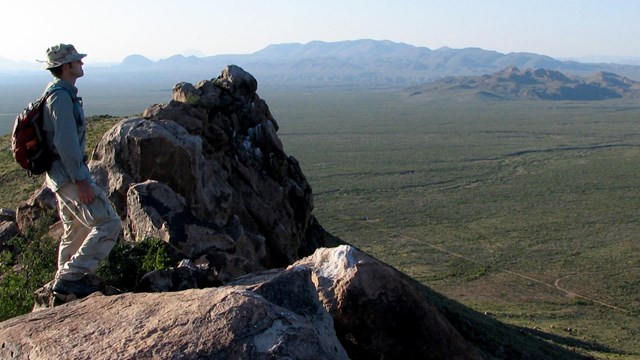
Plan Your Visit
Outdoor adventure, wide open spaces, camping, hiking, scenic drives. Where to begin?

Learn About Your Park
Nature, history, plants, geology, fossils, birds, and more! What's so special about Big Bend?

Chisos Basin Will Remain Open
The construction of the Chisos Mountains Lodge, originally scheduled to begin in May 2026, will not proceed as planned.
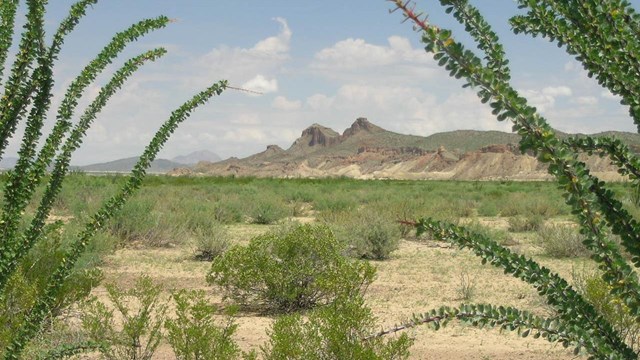
Big Bend Top Ten Tips
Be prepared for summer in the desert. Remote, beautiful, and HOT.
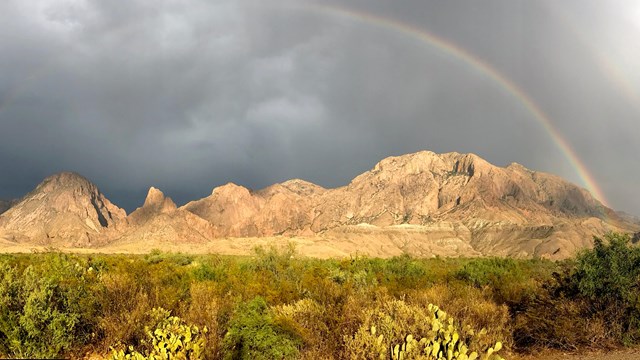
Current Conditions
Current weather, river levels, webcam view, visibility, and air quality readings.
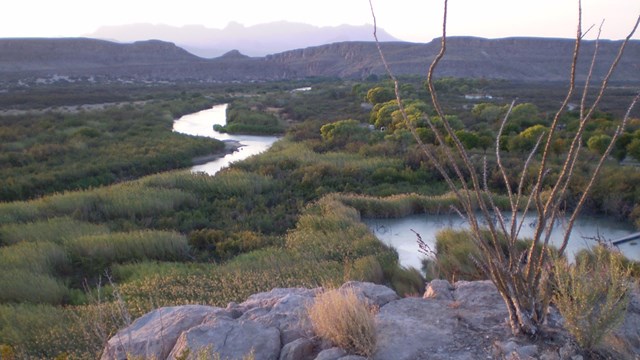
Suggested Itineraries
Big Bend has lots to explore! Use these suggested itineraries to help get the most out of your visit.
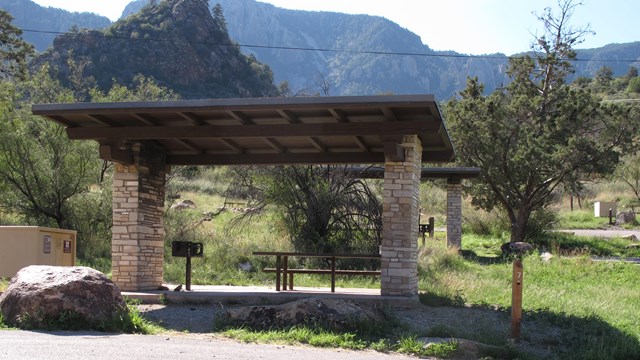
Big Bend Camping
There are four developed campgrounds in Big Bend National Park, and primitive backcountry camping too.
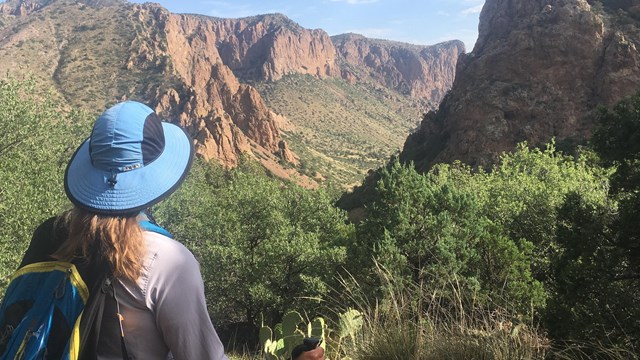
Day Hikes
Big Bend is a hiker's paradise. More than 150 miles of desert and mountains trails to explore!
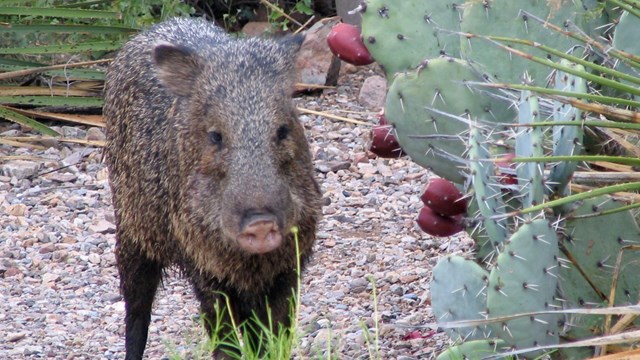
Nature
Delve into the park's flora and fauna, geology, ecosystems, and other natural features.
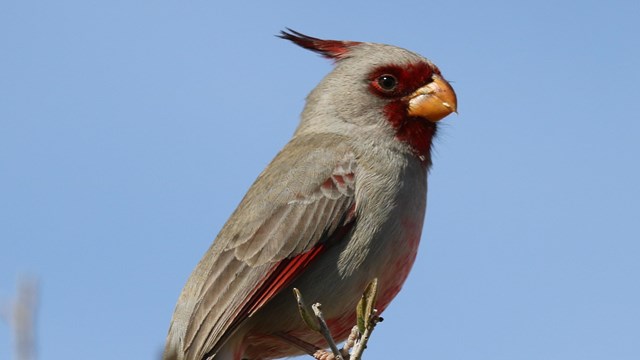
Big Bend Birds
Big Bend is a world-famous location for birds and birdwatching. Learn more about the feathered wonders of Big Bend.
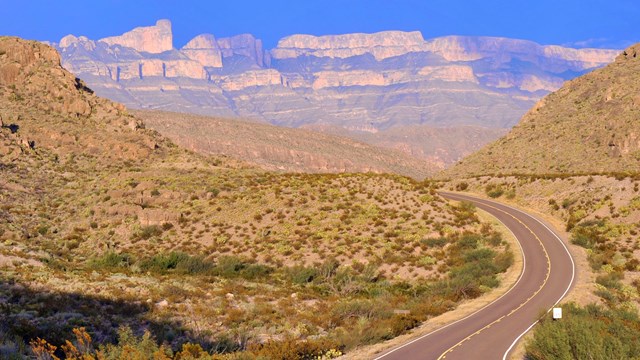
Scenic Drives
Hit the road and explore the park's gorgeous vistas. Paved highways and dirt roads provide access to an incredible array of experiences.
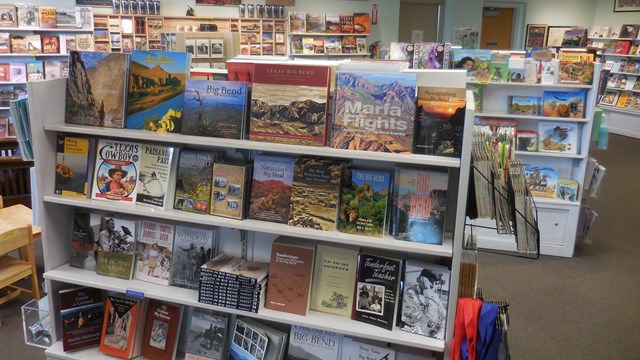
Park Bookstore
Prepare for your visit and learn about the park with books, maps, and guides from the Big Bend Natural History Association.