
Skip to SearchSkip to NavigationSkip to BodySkip to Footer
National Park Service LogoU.S. Department of the InteriorNational Park ServiceNational Park Service
National Park Service:  U.S. Department of the InteriorNational Park Service Arrowhead
Alcatraz Island1934 Diamond T Firetruck and Rangers
view map
text size:largestlargernormal
printer friendly

Overview

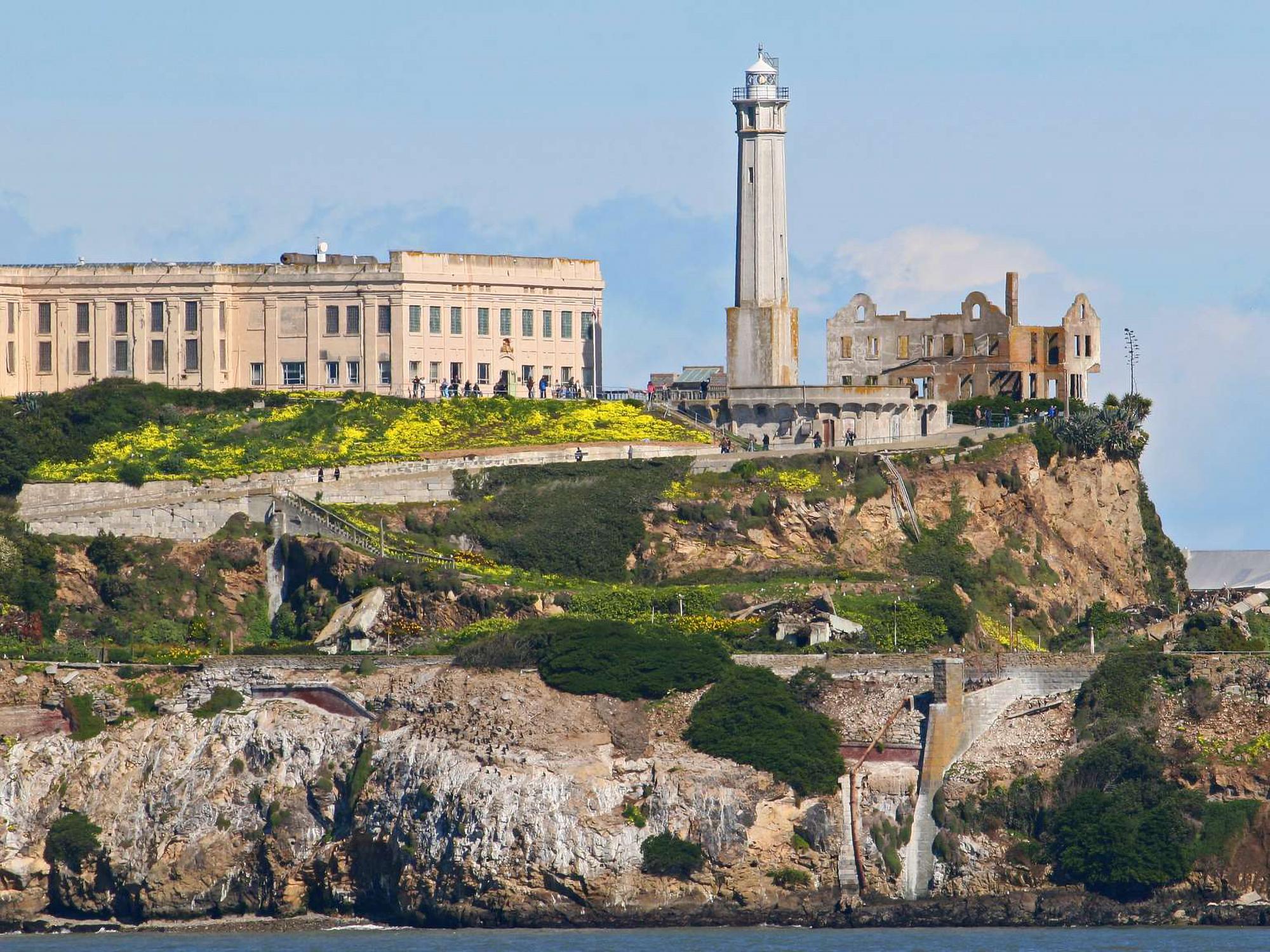
Alcatraz Island offers a close-up look at the site of the first lighthouse and US fort on the West Coast, the infamous federal penitentiary long off-limits to the public, and the 18 month occupation by Indians of All Tribes which saved the tribes. Rich in history, there is also a natural side to the Rock - gardens, tide pools, bird colonies, and bay views beyond compare.
 
Alcatraz Podcast

Radio Free Alcatraz

While it's not yet available as a podcast you can listen to our rough draft of episode one of RADIO FREE ALCATRAZ (if you click on the link it should run in your default audio player, or right click to save the MP3 file to your computer). No special software or hardware is needed, you don't even need an iPod!

This episode features an interview with a prison era volunteer that changed the life of at least one inmate, a bit of music from Arigon Starr ("Native American Diva"), an explaination of our name, and we finish with a bit of classic Abbott and Costello! Check it out and let us know what you think! Send us e-mail feedback or questions to be answered in future episodes by using the Contact Us link to the left.


Museum Collections at the Rock: Alcatraz Island

Museum Collections at the Rock

This exhibit features the extensive collections from Alcatraz Island, also known as "The Rock." Collections include objects made by notorious inmates, historic photographs and documents, escape materials and inmate artwork; items used by officers including correctional materials when Alcatraz was a federal penitentiary from 1934–1963; military prison period materials from 1859–1934; and the American Indian occupation of 1969–1971. To find out more, click here.

 
American Indian occupier salutes

Indians of All Tribes

In the 1800s American Indians prisoners were often held at the military prison on Alcatraz. In 1964, a year after the penitentiary closed, and again in 1969, Alcatraz was "liberated" by Indians of All Tribes, changing the course of U.S. history by helping to establish tribal rights of self determination. An award winning video/exhibit, WE HOLD THE ROCK, shows daily on Alcatraz Island in an exhibit area near the dock.
 
alcatraz

The Future of The Rock

The Golden Gate National Recreation Area (including Alcatraz Island) is currently in the process of developing a new General Management Plan which will guide the future of the park, and we need your help!

The general public is invited and encouraged to comment on the National Park Service plan that over the next 20 years will change the way Golden Gate National Recreation Area manages and interprets the park. Visit the Planning, Environment and Public Comment page for more information and to participate in this process.


Write to

Alcatraz Island, Golden Gate National Recreation Area
Fort Mason, B201
San Francisco, CA 94123

E-mail Us

Phone

Ranger Station
(415) 561-4900

Ferry Tickets/Reservations
(415) 981-7625

Fax

(415) 705-1050

Climate

Alcatraz can be windy and cool, warm and clear, and wet (fog and rain) most any time of year - even on the same day! We recommended wearing layers as conditions can change quickly.

In general summers tend to be cool and foggy, winters cool and rainy, but nice days can happen any time of year.

"The coldest winter I ever spent was a summer in San Francisco." 

(While usually attributed to Mark Twain, the actual source of these words of wisdom is unknown - there is no evidence that Mark Twain ever said this.)
Skip to SearchSkip to NavigationSkip to BodySkip to Footer
Red Power painted on an Alcatraz building.  

Did You Know?
In November of 1969 American Indians being relocated and terminated by the U.S. government occupied the then vacant island of Alcatraz. Their 18 month occupation would bring an end to the federal termination policy, saving the tribes.

Last Updated: June 12, 2008 at 18:02 EST