Skip to SearchSkip to NavigationSkip to BodySkip to Footer
National Park Service LogoU.S. Department of the InteriorNational Park ServiceNational Park Service
National Park Service:  U.S. Department of the InteriorNational Park Service Arrowhead
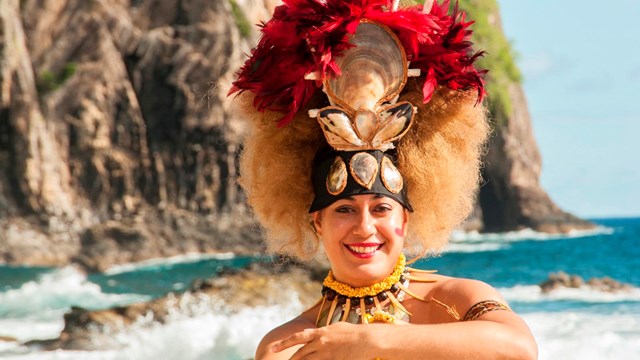
National Park of American Samoa Samoan Youth
view map
text size: largest larger normal
printer friendly

Explore the Islands of Sacred Earth

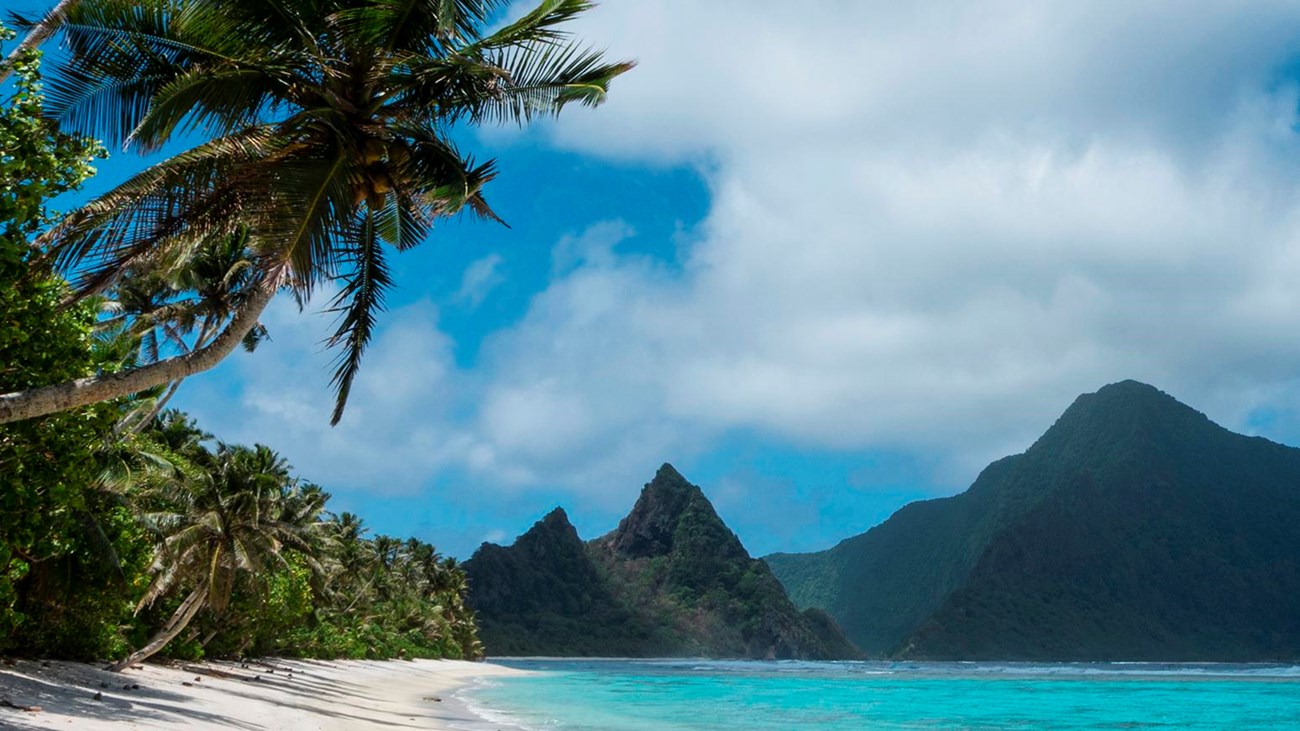
Located in the Southwest Pacific Ocean, the national park is on three volcanic and mountainous islands clothed in tropical rainforest, ringed with rugged cliffs, glistening beaches, and coral reefs.

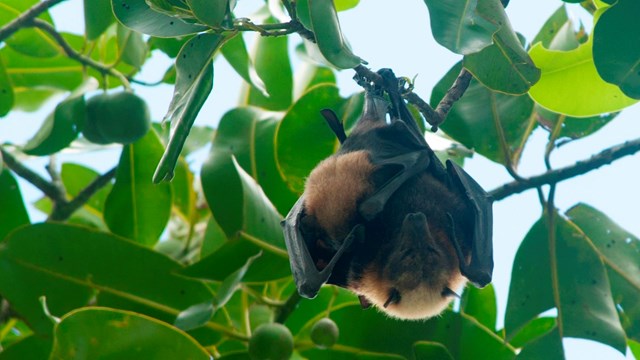
The national park preserves and protects tropical rainforests, coral reefs, fruit bats, and the Samoan culture.

 
Social network icon

Join Our Social Networks

The National Park of American Samoa is experimenting with new ways to bring the park experience to visitors. We are currently using Twitter, Facebook, and a blog. This is an attempt to help you connect with the National Park of American Samoa and to meet you wherever you are in the world.
  • Visit our Fan Page on Facebook and click the "Like" button at the top of our page to receive updates on your Facebook wall.
 

Animals

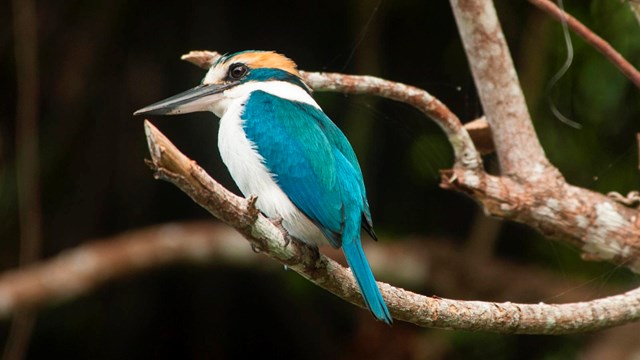
Samoan rainforests and coral reefs on five separate islands are home to unique tropical animals--the flying fox, sea turtles, and many birds and fish. The national park has tropical rainforests and coral reefs.
more...
 

Things To Do

Visitors to American Samoa have the unique opportunity to explore a United States national park at its earliest stages of development. If you want to visit a world-class national park before everyone else does, now is the time. What the park currently lacks in facilities, it makes up in spectacular South Pacific beauty and some of the world's most scenic beaches. With a bit of adventurer spirit, you can find secluded villages, unusual plants and animals, coral sand beaches, and highly scenic seashores.
more...
 

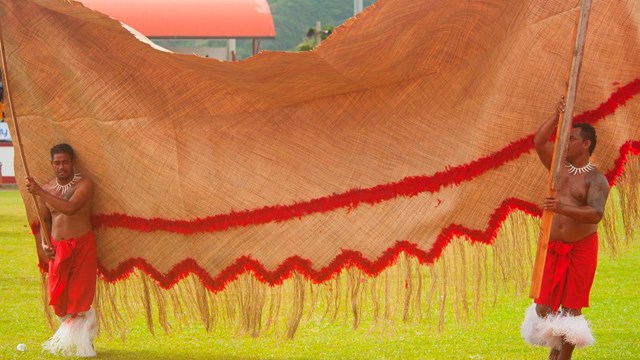
The Samoan Way

The Samoan culture is Polynesia's oldest. The first people on the Samoan islands came by sea from southeast Asia some 3,000 years ago. Over the centuries, distinct cultural traits emerged collectively called fa'asamoa--the Samoan way. The national park is entirely on lands leased from the ten Samoan villages which are the true landowners. Thus, as visitors, we are outsiders who come as guests upon traditional Samoan lands. Please observe and respect local Samoan customs.
more...


Write to

Superintendent
National Park of American Samoa
Pago Pago, AS 96799

E-mail Us

Phone

Headquarters and Visitor Center
(684) 699-3982

Fax

(684) 699-3986

Climate

American Samoa is warm, humid and rainy year-round with a long, wet summer (October - May) and a slightly cooler and drier season (June - September). A tropical climate prevails. Temperatures are warm year-round (high 70's to high 80's F / low 20's to low 30's C ) with high humidity. Rain showers are frequent and may last only for a few minutes or last all day. Average annual rainfall in the national park ranges from 150 to 300 inches depending on the location.
Skip to SearchSkip to NavigationSkip to BodySkip to Footer
Lobster, shrimp, fish, and breadfruit—a sumptuous meal of local village subsistence resources

Did You Know?
The Act of Congress which established this national park allowed limited subsistence fishing and farming (the parklands are theirs—it is merely leased for park purposes). This lavish example of a village celebratory feast came from local reef waters.

Last Updated: January 09, 2012 at 14:51 MST

CANCEL

You are exiting the National Park Service website

Thank you for visiting our site.

You will now be redirected to:

We hope your visit was informative and enjoyable.