




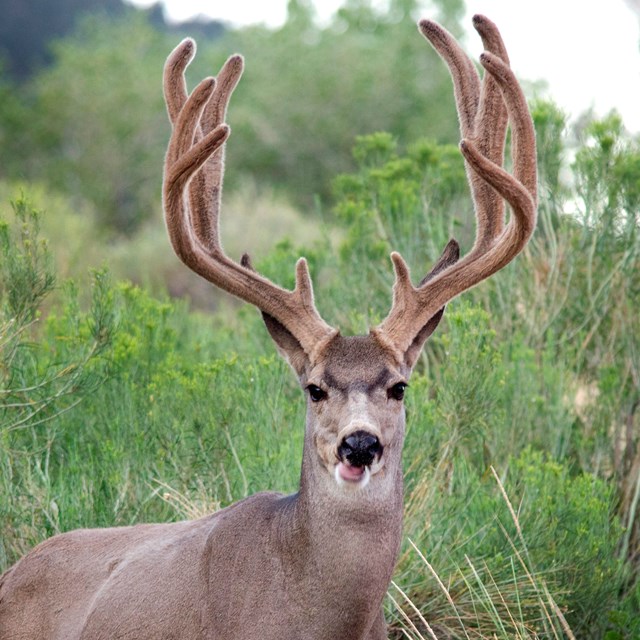
What do mule deer, bats and Zion visitors all have in common? They are all mammals! Mammals vary greatly in appearance, behavior, and required habitats, but all mammals share certain characteristics, that help distinguish them from other living animals. All mammals are warm-blooded; meaning they can maintain a constant internal body temperature, despite varying external temperatures. They also give birth to live young, and can produce milk to nourish them. Hair, or fur, helps to keep mammals warm and provides insulation. 
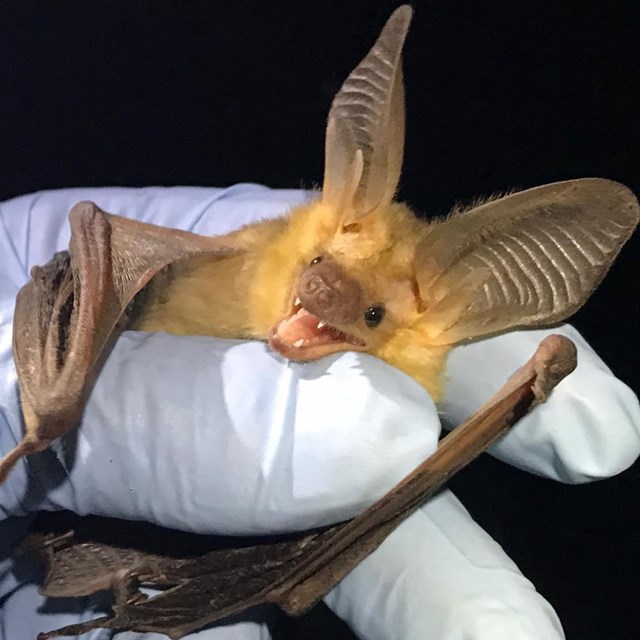
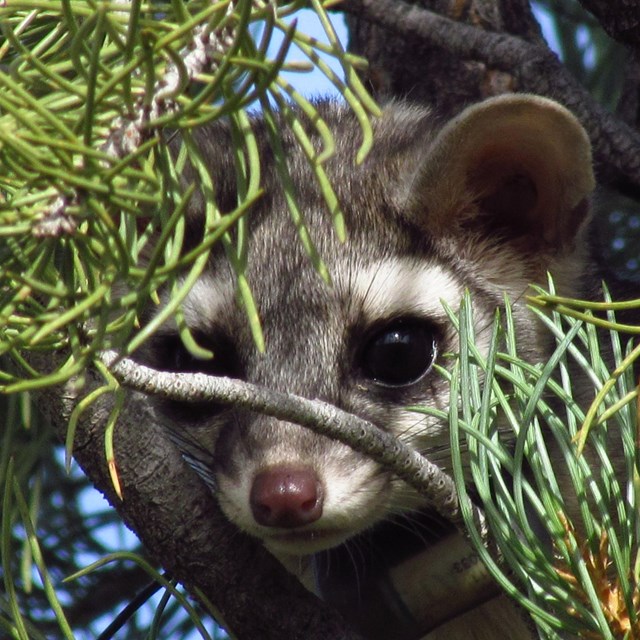
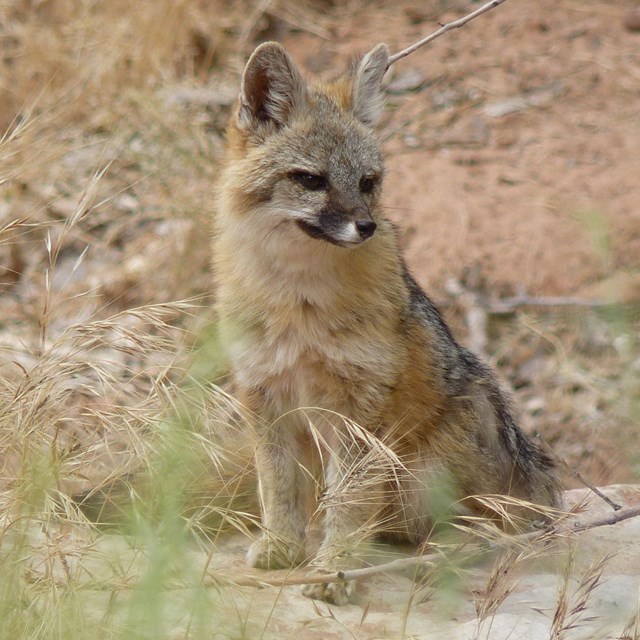
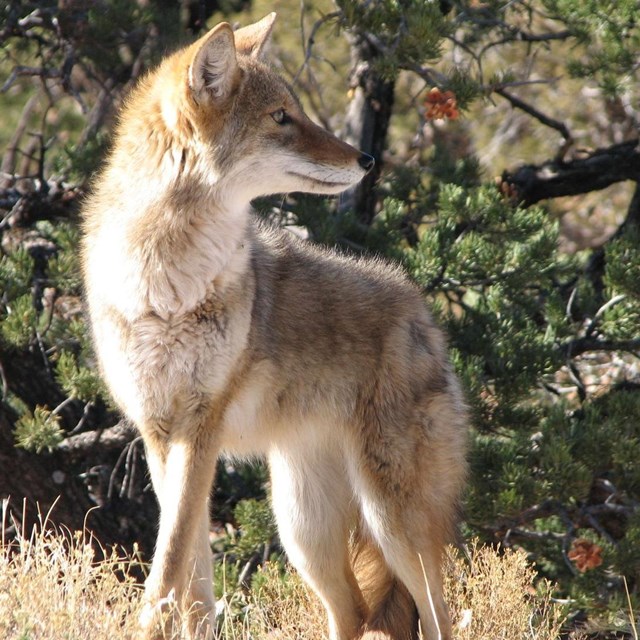
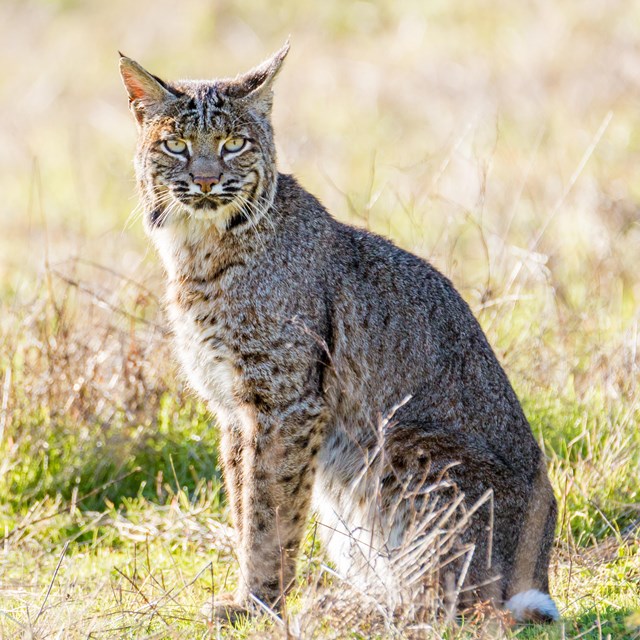
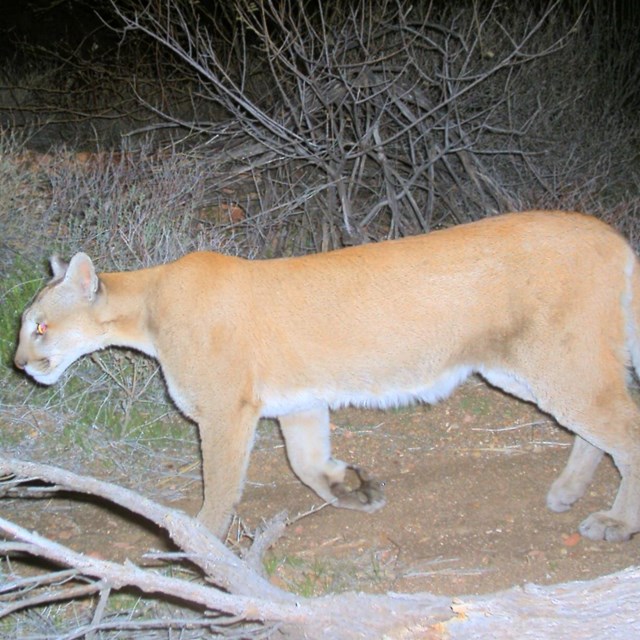
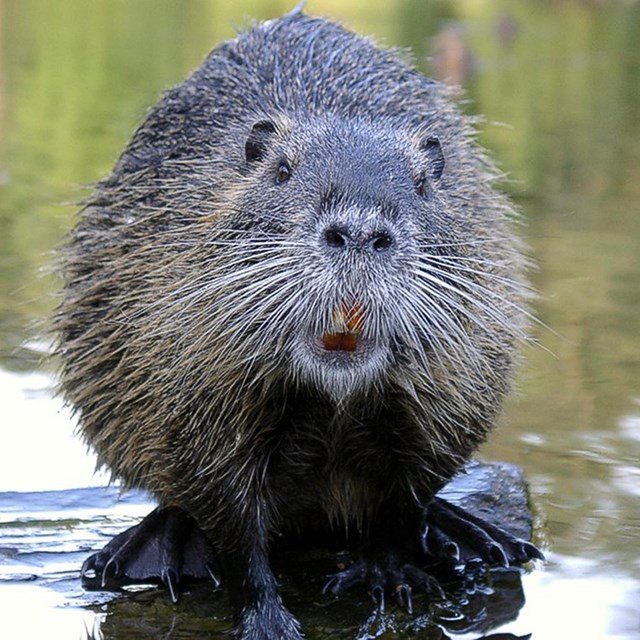
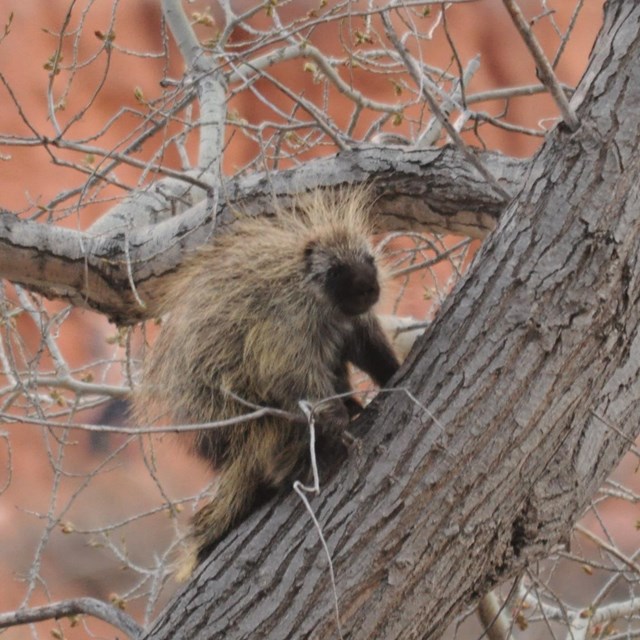
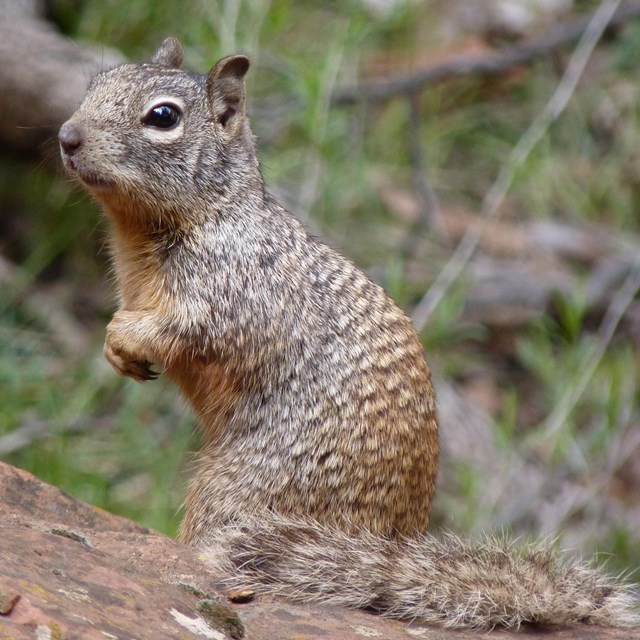
Zion National Park Photo The key to a good sighting is to know when and where to look. By day, mule deer and rock squirrels meander about on the canyon floor. By night, you may hear a coyote’s call, see the light quickly gleam in the eyes of a gray fox, or observe the nimble movements of a ringtail cat. Other charismatic animals, such as mountain lion, bobcat, porcupine, skunk, raccoon, bats, and beaver are all active under the cover of darkness. FelinesUngulates |
 |
|
Last updated: August 21, 2023