• Lower Falls of the Yellowstone.

    Yellowstone

    National Park ID,MT,WY

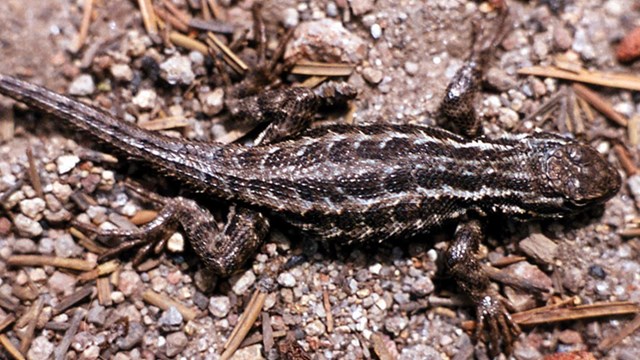
Sagebrush Lizard

A sagebrush lizard basking in the sun
Scientific name: Sceloporus graciosus graciosus

Identification
  • Only lizard in Yellowstone.
  • Maximum size of five inches from snout to the tip of the tail; males have longer tails and may grow slightly larger than females.
  • Gray or light brown with darker brown stripes on the back set inside lighter stripes on the sides, running the length of the body; stripes not always prominent and may appear as a pattern of checks down the back; underside usually cream or white.
  • Males have bright blue patches on the belly and on each side, with blue mottling on the throat.
Habitat
  • Usually found below 6,000 feet elevation, but in Yellowstone it can live up to 8,300 feet.
  • Populations living in thermally influenced areas are possibly isolated from others.
  • Most common along the lower portions of the Yellowstone River near Gardiner, Montana and upstream to the mouth of Bear Creek; also occurs in Norris Geyser Basin, Shoshone and Heart Lake geyser basins, and other hydrothermal areas.
Behavior
  • Comes out of hibernation about mid-May and is active through mid-September.
  • Diurnal, generally observed during warm, sunny weather in dry, rocky habitats.
  • During the breeding season, males do push-ups on elevated perches to display their bright blue side patches to warn off other males.
  • Feeds on various insects and arthropods.
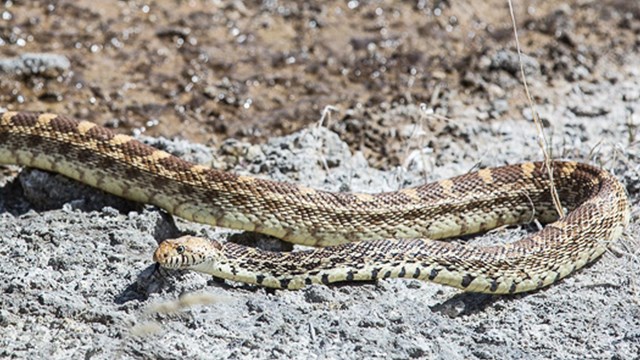
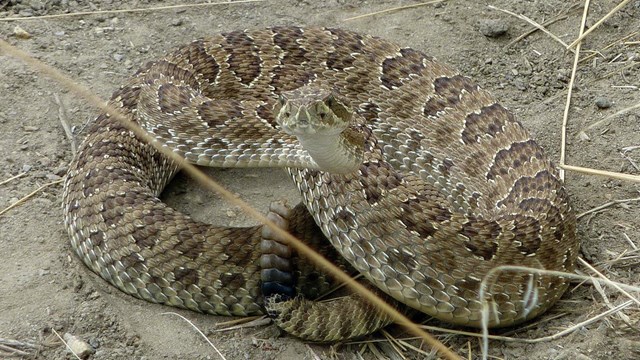
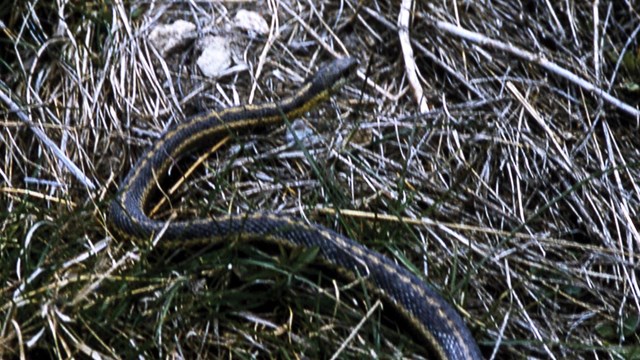
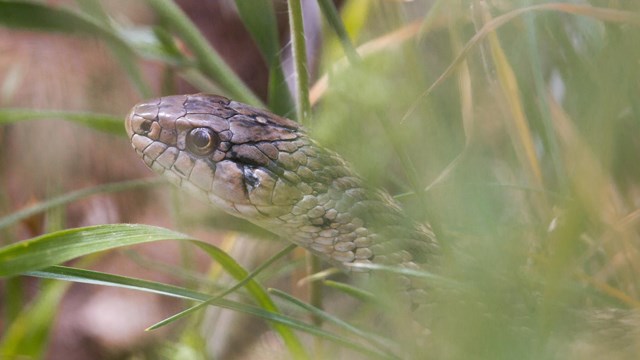
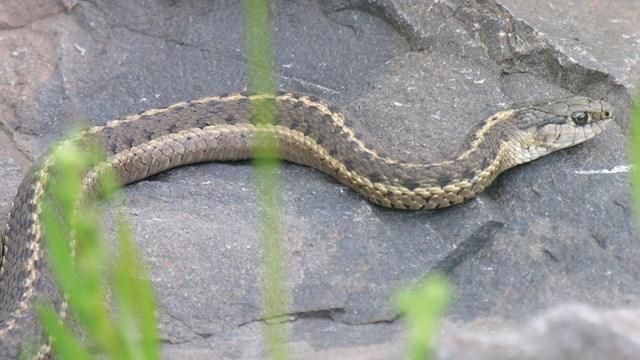
  • Eaten by bullsnakes, wandering garter snakes, rattlesnakes, and some birds.
  • May shed tail when threatened or grabbed.

Did You Know?

Seventh Cavalry Ensignia Pin.

Prior to the establishment of the National Park Service, the U.S. Army protected Yellowstone between 1886 and 1918. Fort Yellowstone was established at Mammoth Hot Springs for that purpose.