



|
Yellowstone National Park is as wondrous as it is complex. Established primarily to protect hydrothermal areas that contain about half the world's active geysers, the park also forms the core of the Greater Yellowstone Ecosystem. At 28,000 square miles, it is one of the largest, nearly intact temperate-zone ecosystems on Earth. It preserves a great variety of terrestrial, aquatic, and microbial life. Natural processes operate in an ecological context that has been less subject to human alteration than most others throughout the nation—and throughout the world. This makes the park an invaluable natural reserve and reservoir of information. 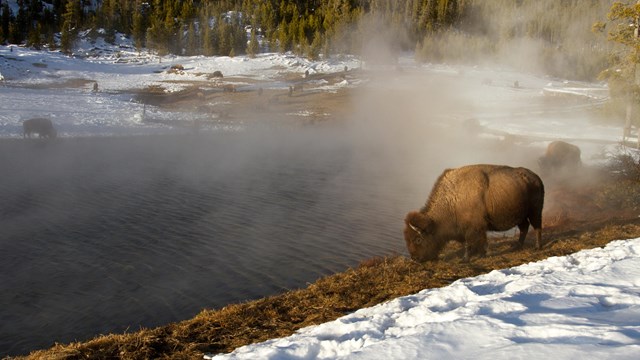
Greater Yellowstone Ecosystem
Yellowstone is the heart of one of the largest, nearly intact temperate-zones on Earth. 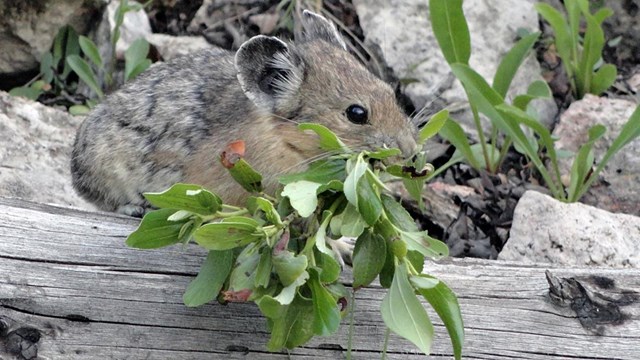
Climate Change
Yellowstone's climate is changing. A continued rise in temperature will fundamentally alter the ecosystem. 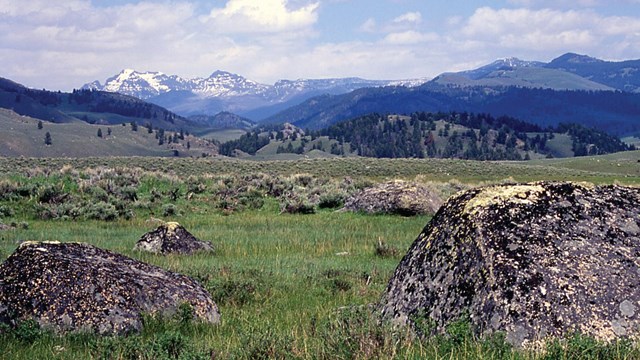
Geology
A volcano, geysers and other thermal features, earthquakes, and glaciers shape Yellowstone's landscape. 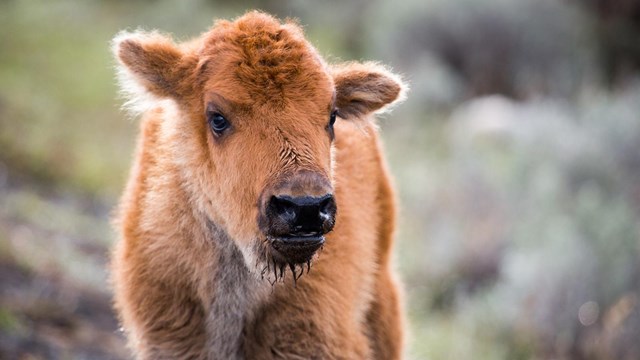
Wildlife
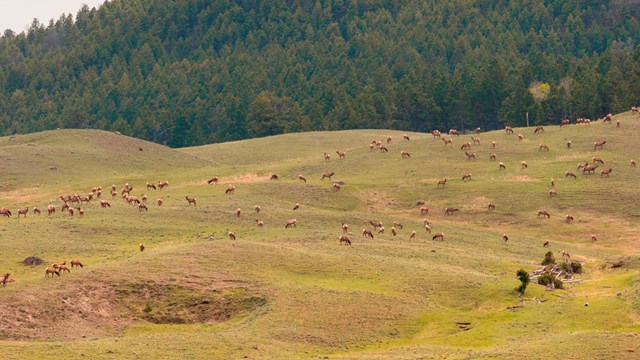
Learn about the park's abundant and diverse species—67 mammals, 285 birds, 16 fish, 5 amphibians, and 6 reptiles. 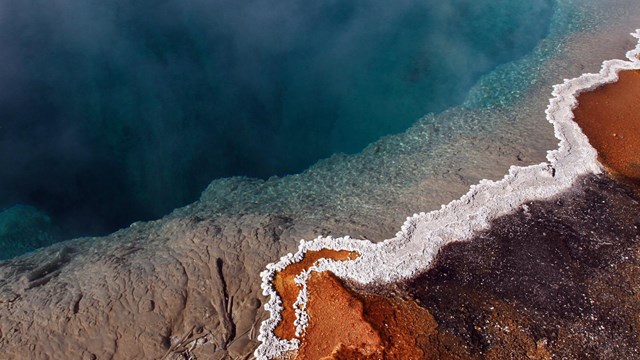
Life in Extreme Heat
Hydrothermal features are habitats for microscopic organisms called thermophiles: "thermo" for heat, "phile" for lover. ResourcesThere is a lot going on in Yellowstone National Park and the Greater Yellowstone Ecosystem. Different organizations, government agencies, and National Park Service offices provide additional information about various natural resource topics within the park and the surrounding ecosystem. 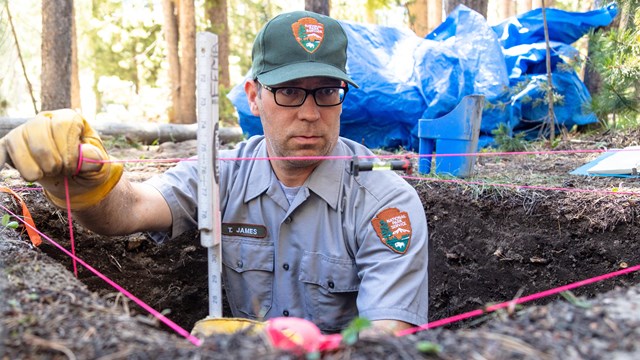
Yellowstone Science
Yellowstone Science shares in-depth, science-based knowledge about the Greater Yellowstone Ecosystem. 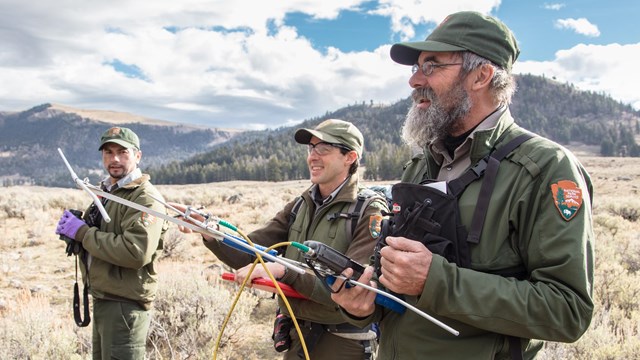
Yellowstone Center for Resources
Scientific efforts underway in Yellowstone National Park. 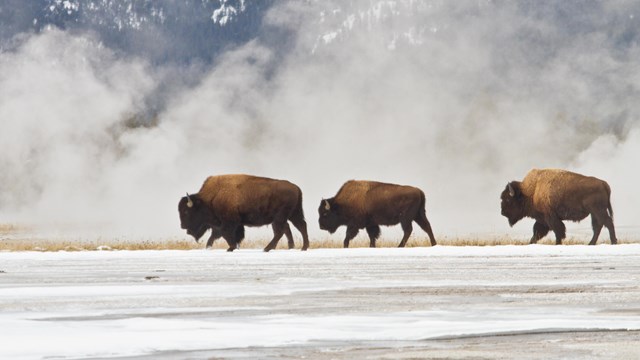
Learn About the Park
Yellowstone is as wondrous as it is complex. The park is at the heart of the Greater Yellowstone Ecosystem, where nature and culture abound. |
Last updated: April 18, 2025