 |
 |
  |
|
|
|
|
 |
| view map |
 |
|
|
|
|
|
|
Yellowstone National Park
Boreal Chorus Frog
|
|
|
|
|
|
 |
Scientific name: Pseudacris triseriata maculata
Identification
- Adults reach 1 to 1.5 inches in length, and females are usually larger than males; newly metamorphosed froglets are less than one inch long.
- Brown, olive, tan, or green (sometimes bi-colored) with a prominent black stripe on each side from the nostril through the eye and down the sides to the groin; three dark stripes down the back, often incomplete or broken into blotches.
Habitat
- Common, but seldom seen due to its small size and secretive habits.
- Lives in moist meadows and forests near wetlands.
- Lays eggs in loose, irregular clusters attached to submerged vegetation in quiet water.
Behavior
- Breeds in shallow temporary pools or ponds during the late spring.
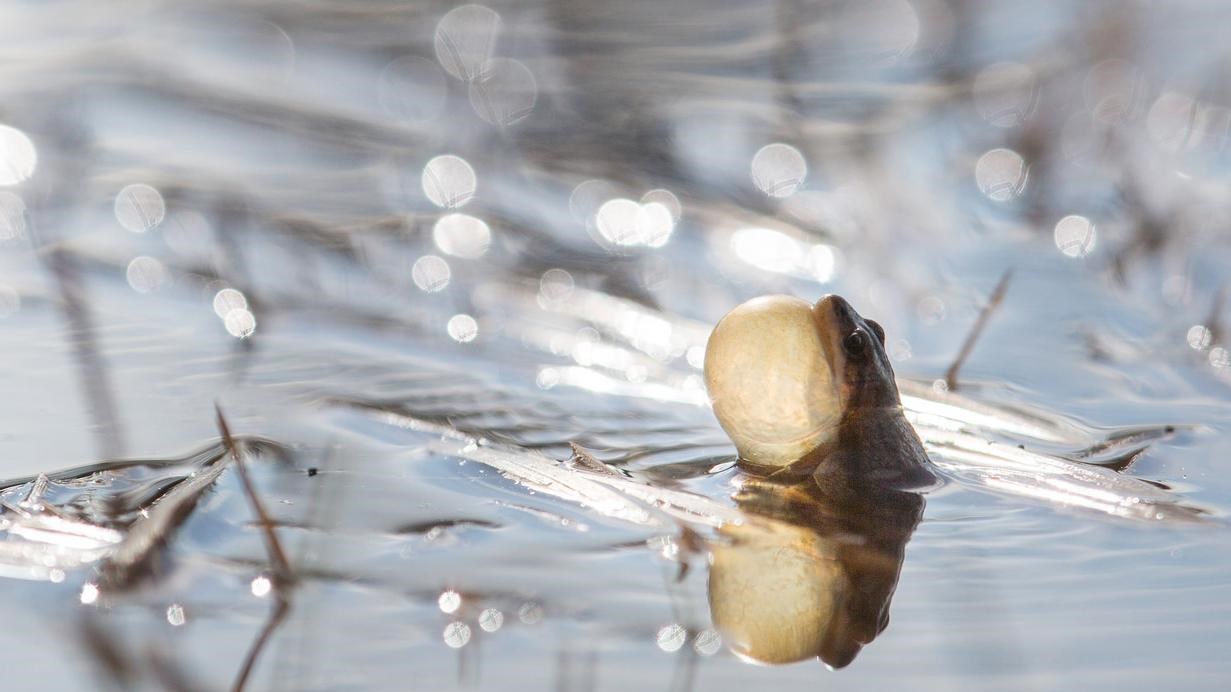
- Calls are very conspicuous, resembling the sound of a thumb running along the teeth of a comb.
- Males call and respond, producing a loud and continuous chorus at good breeding sites, from April to early July, depending on elevation and weather.
- Usually call in late afternoon and evening.
- Tadpoles eat aquatic plants; adults mostly eat insects.
- Eaten by fish, predacious aquatic insect larvae, other amphibians, garter snakes, mammals, and birds.
|
|
 |
|
You are exiting the National Park Service website
Thank you for visiting our site.
You will now be redirected to:
We hope your visit was informative and enjoyable.
|
|
|
Last Updated: June 10, 2009 at 20:10 MST |