



|
Often called the "American Monet," Childe Hassam's art was recognizably Impressionist-loose brush strokes, bright palettes, and scenes that conveyed the specific effects of weather and light. These scenes were both rural and urban, as he painted large cities like New York and Paris, working sea sides like Gloucester, MA and countryside all over Europe and Connecticut. Hassam was industrious as an artist, and could paint forty canvases a year to Julian Alden Weir's eight. Hassam outlived Weir by fifteen years, and continued painting. One of his fans was Dorothy Weir, who wrote: "The New England that he saw and translated so clearly and brilliantly was a region of whaling towns, of busy wharfs and streets, of colorful rocks swept by wide Atlantic waves, and white churches seen with a pagan's eye." 
NPS
American Impressionist Painter (1859 - 1935)

NPS Childe Hassam is recognized today as the most successful, best patronized and most exhibited of all the American Impressionists. Hassam's art was recognizably Impressionist-loose brush strokes, bright palettes, and scenes that conveyed the specific effects of weather and light. These scenes were both rural and urban, as he painted large cities like New York and Paris, working sea sides like Gloucester, MA and countryside all over Europe and Connecticut. 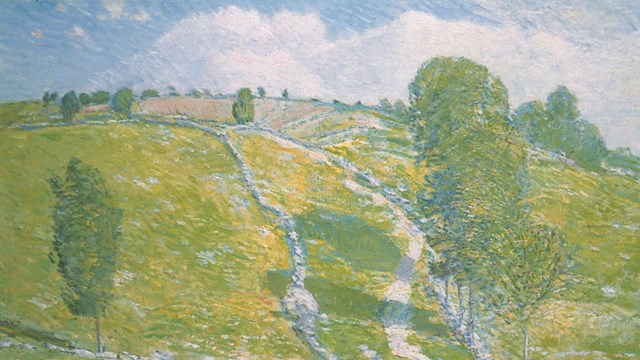
Childe Hassam (1859 - 1934)
Frederick Childe Hassam was a prolific American Impressionist painter who frequented the Weir House during Julian's time here. 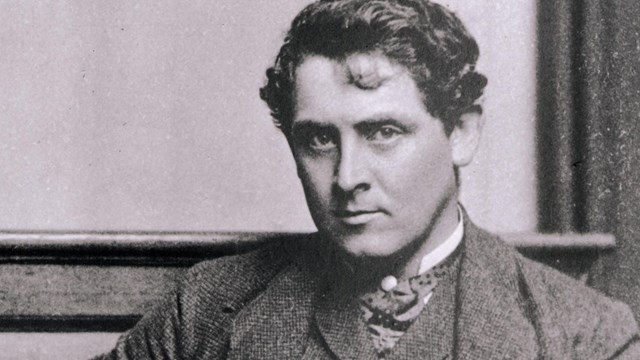
Julian Alden Weir (1852-1919)
As the father of American Impressionism, Weir used new, international ideas about painting to change American art. 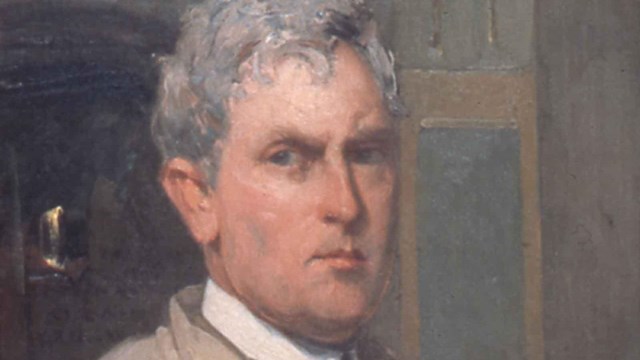
Meet the Artists
Learn about the prominent artists and their family members who lived and worked here. |
Last updated: December 18, 2020