
|
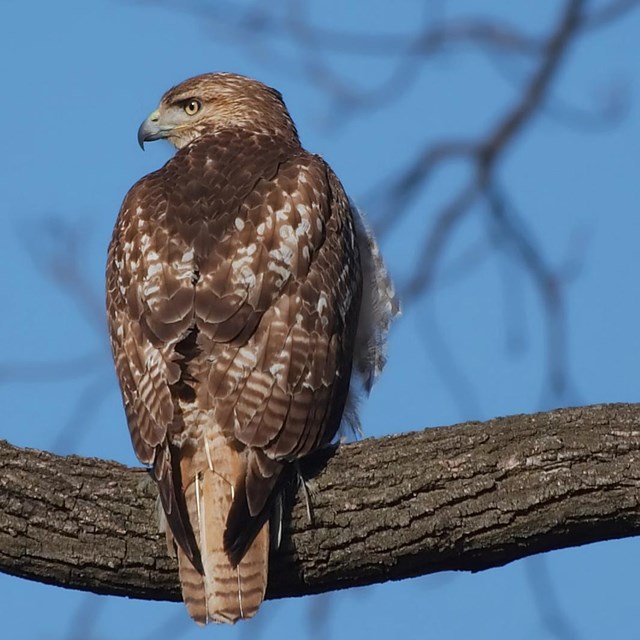
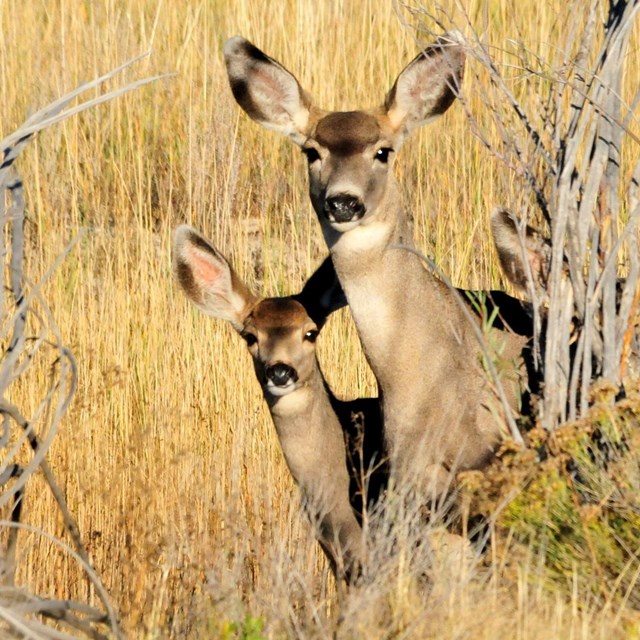
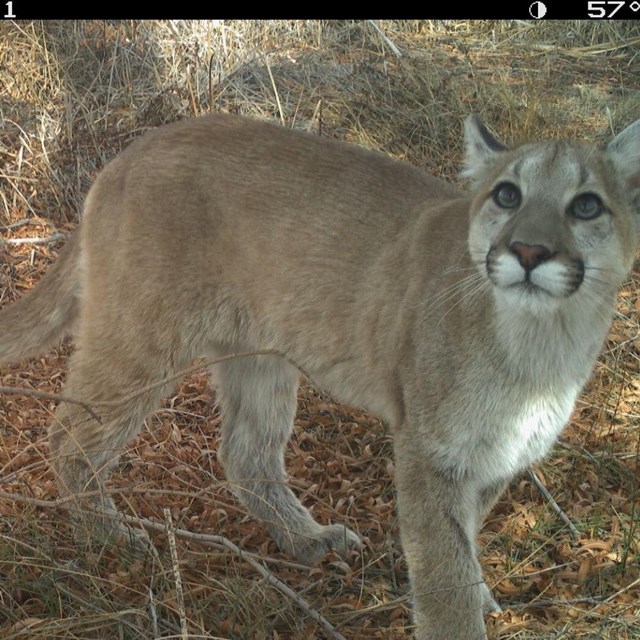
Because of the presence of a perennial water source, Tuzigoot National Monument is home to a large array of animals and is an excellent place to go birding. Birds, small mammals, lizards, and rodents are seen most frequently, though seasons and weather play a large role in determining what animals are active. Desert animals have a variety of adaptations for dealing with the temperature and moisture stresses present in the Verde Valley. Most desert animals are nocturnal, being most active at night. This can be an adaptation to both predation and hot summer daytime temperatures. Mostly nocturnal animals include woodrats, pocket gophers, mice, skunks, ringtails, foxes, bobcats, mountain lions, bats, and owls. Other animals, like deer, are crepuscular - most active at dusk and dawn. The half-light makes it safer for prey animals because they are less visible, and the light is still good enough to locate food. Crepuscular animals include elk, mule deer, coyotes, porcupines, black-tailed jackrabbits, and many songbirds. A few desert animals are diurnal, primarily active during the day. These include rock squirrels, chipmunks, lizards, snakes, hawks, and eagles. 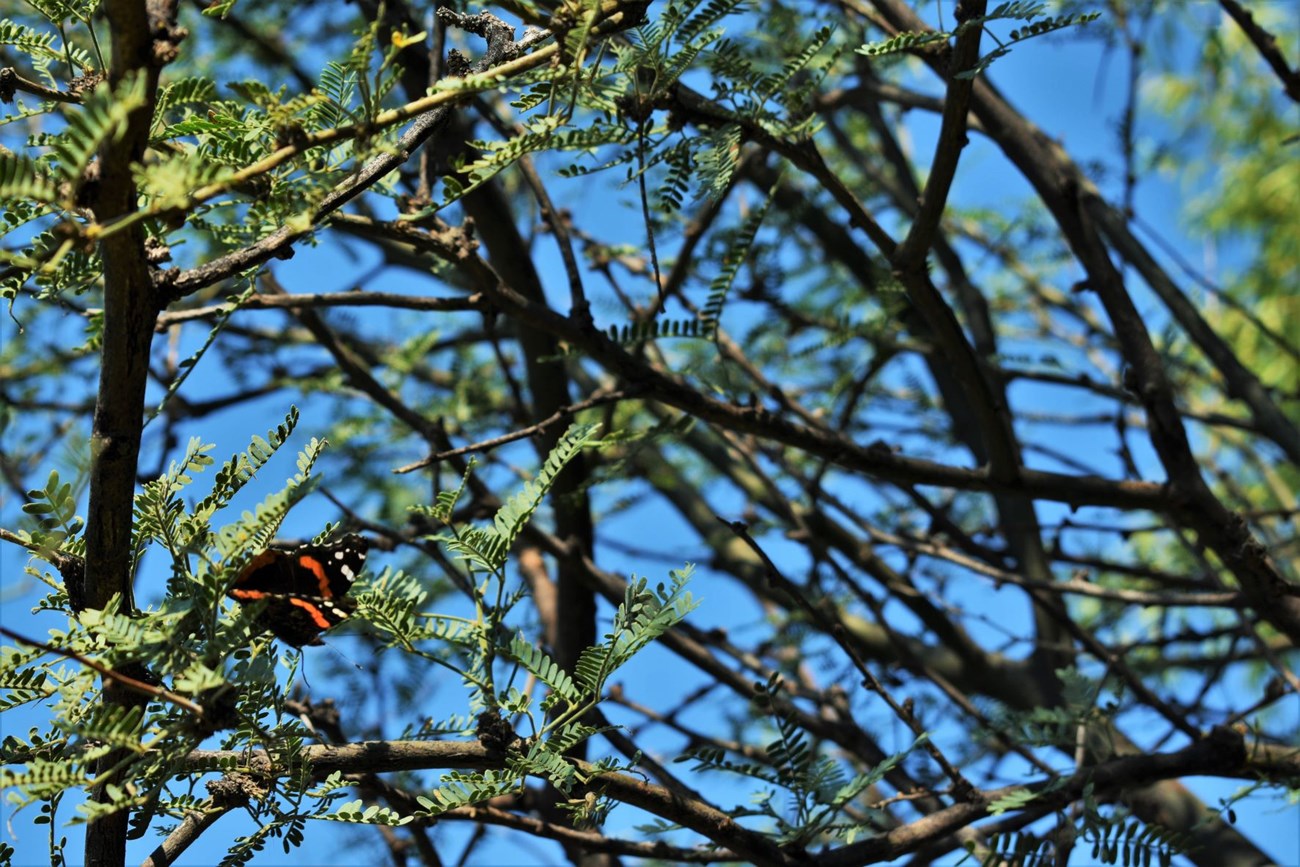
NPS Rachel Wilkin Tuzigoot Wildlife |
 |
|
Last updated: June 13, 2022