Working Together to Connect People to Parks
From the transcontinental railroad to the canals that forged America, national parks tell the story of transportation in America.
The history of the National Park System is also inextricably linked to transportation. In the early part of the 20th century, the great railroads promoted parks in order to entice tourists to travel out west. The successful promotion of national parks and the advent of the automobile created a need for expanded access. Magnificently designed scenic roads and parkways have been central to defining visitor experiences by harmonizing with the environment and providing extraordinary views.
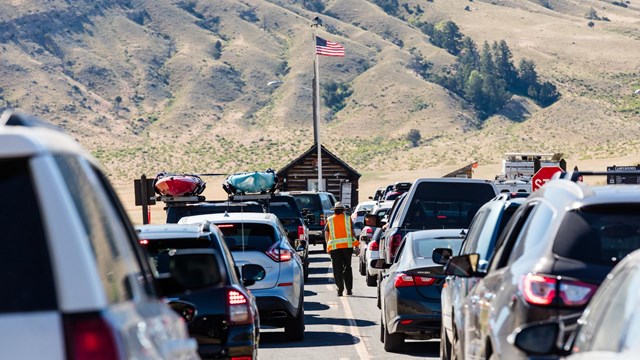
Today, the National Park Service (NPS) transportation systems provide 300 million visitors per year with access to America’s most treasured landscapes, natural wonders, and historic sites. These critical transportation networks connect NPS sites with nearby communities and contribute to local economic activity.
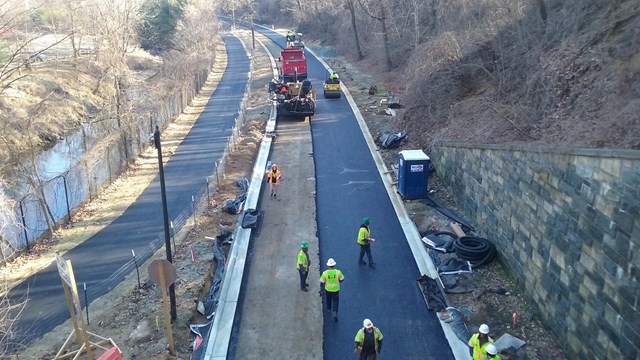
The NPS fulfills its statutory mandate under 23 USC 201 and 203 by implementing a data-driven approach in the delivery of Federal lands transportation facility construction projects in partnership with the Federal Highway Administration. The NPS emphasizes critical transportation goals—such as maintaining a state of good repair for facilities, reducing bridge deficiencies, and enhancing safety—ensuring that funding allocations are directed toward initiatives that yield measurable improvements.
The current transportation authorization and the Great American Outdoors Act provide substantial funding for NPS to repair and improve its transportation infrastructure, including $1.73 billion for the Federal Lands Transportation Program over five years..