
-
Our Address Has Changed
Our new mailing address is: Tallgrass Prairie National Preserve 2480 B Ks Hwy 177 Strong City, KS 66869
Last Stand of the Tallgrass Prairie
Where's the tall grass?
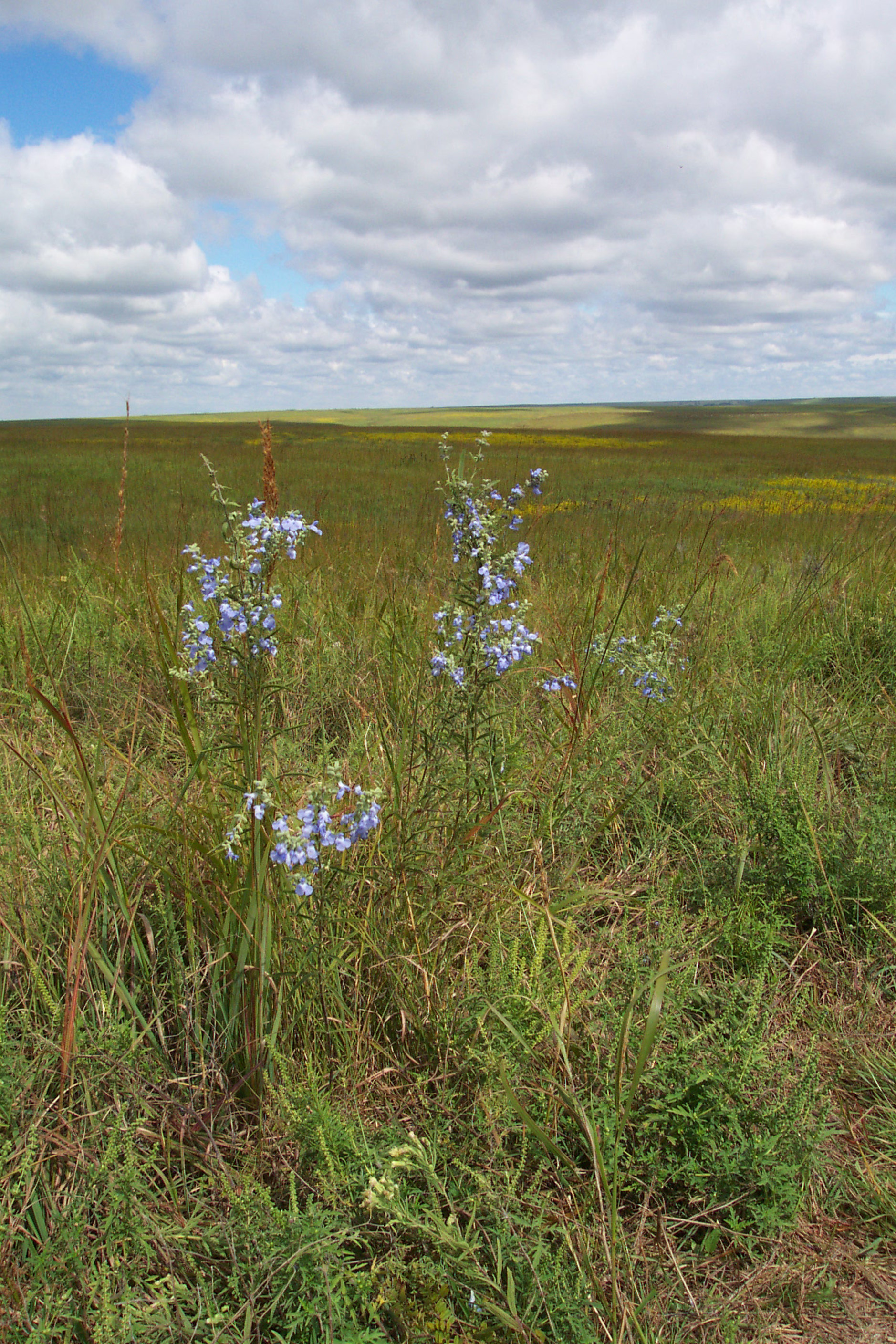
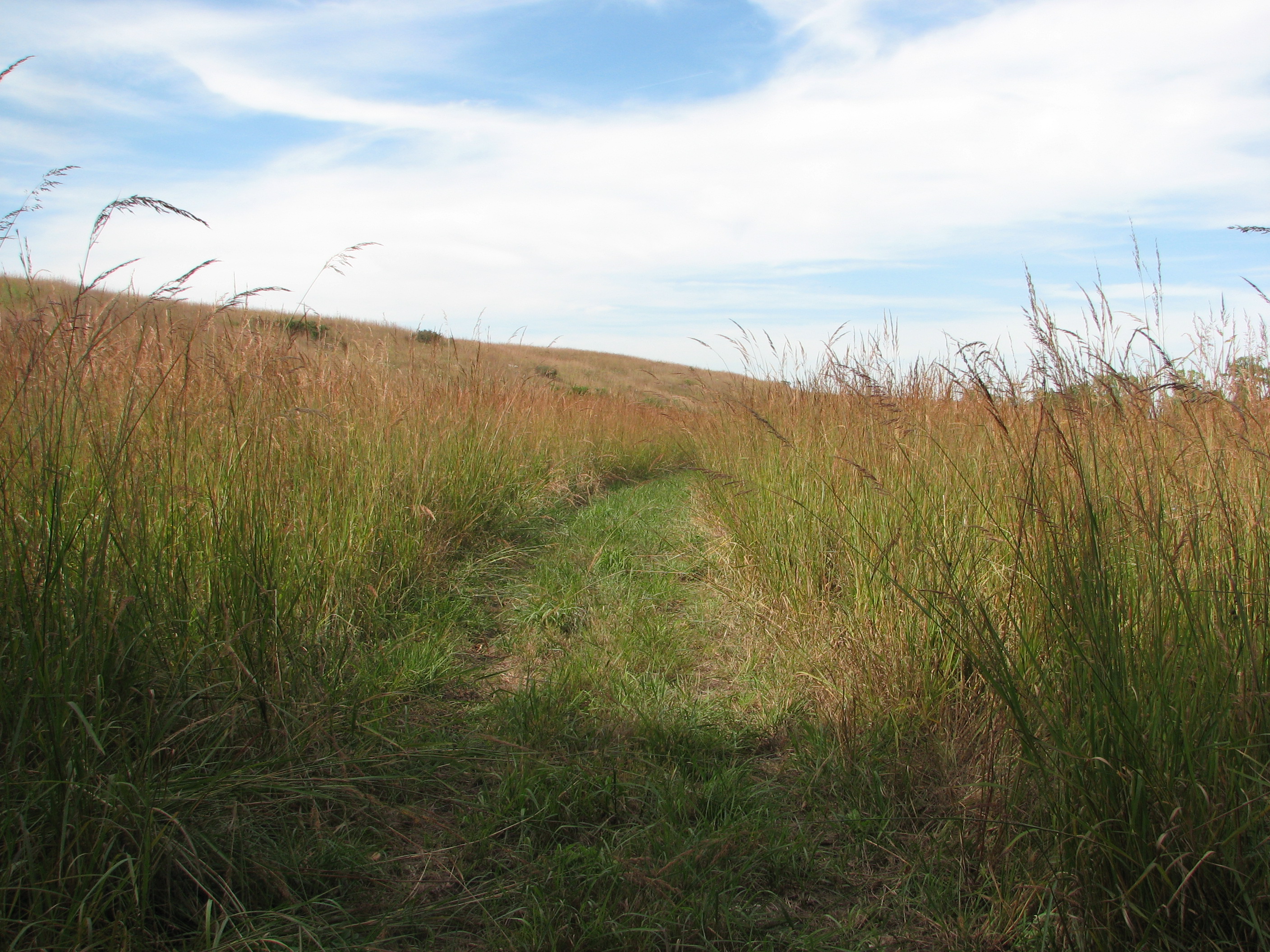
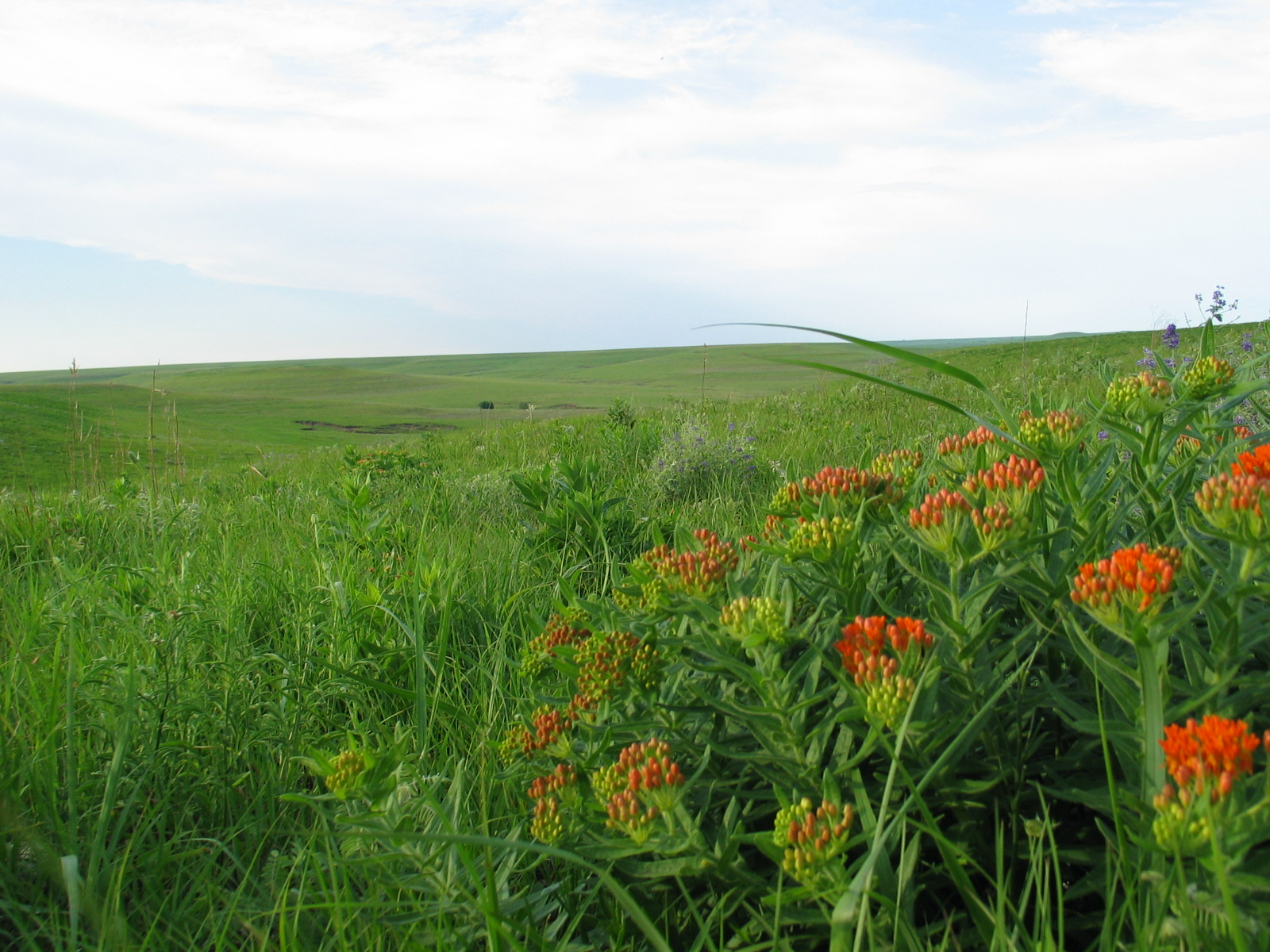
Tallgrass prairie once covered 170 million acres of North America. Within a generation the vast majority was developed and plowed under. Today less than 4% remains, mostly here in the Kansas Flint Hills. The preserve protects a nationally significant remnant of the once vast tallgrass prairie and its cultural resources. Here the tallgrass prairie takes its last stand.
Features
-
Tour Tallgrass Prairie National Preserve
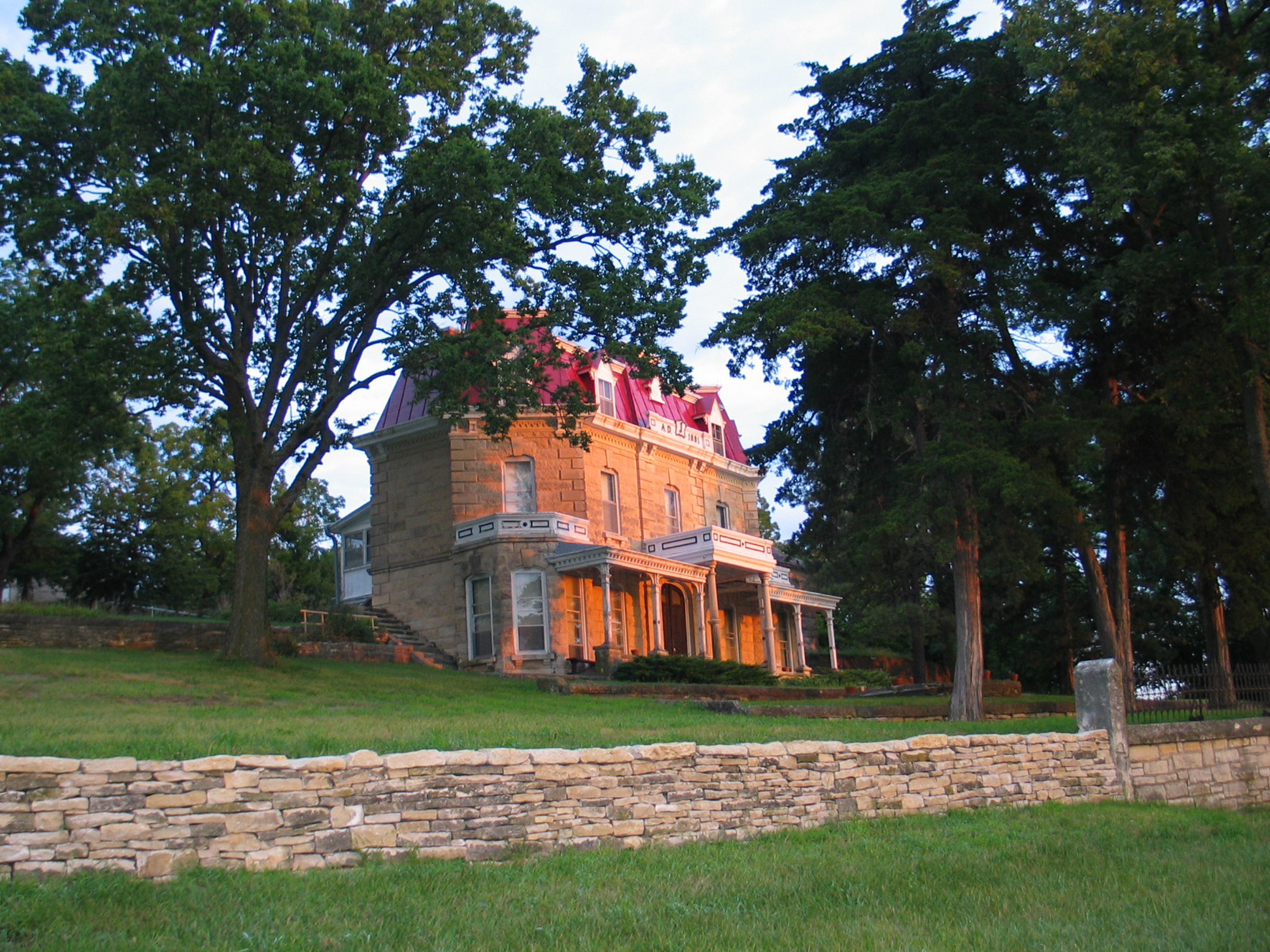
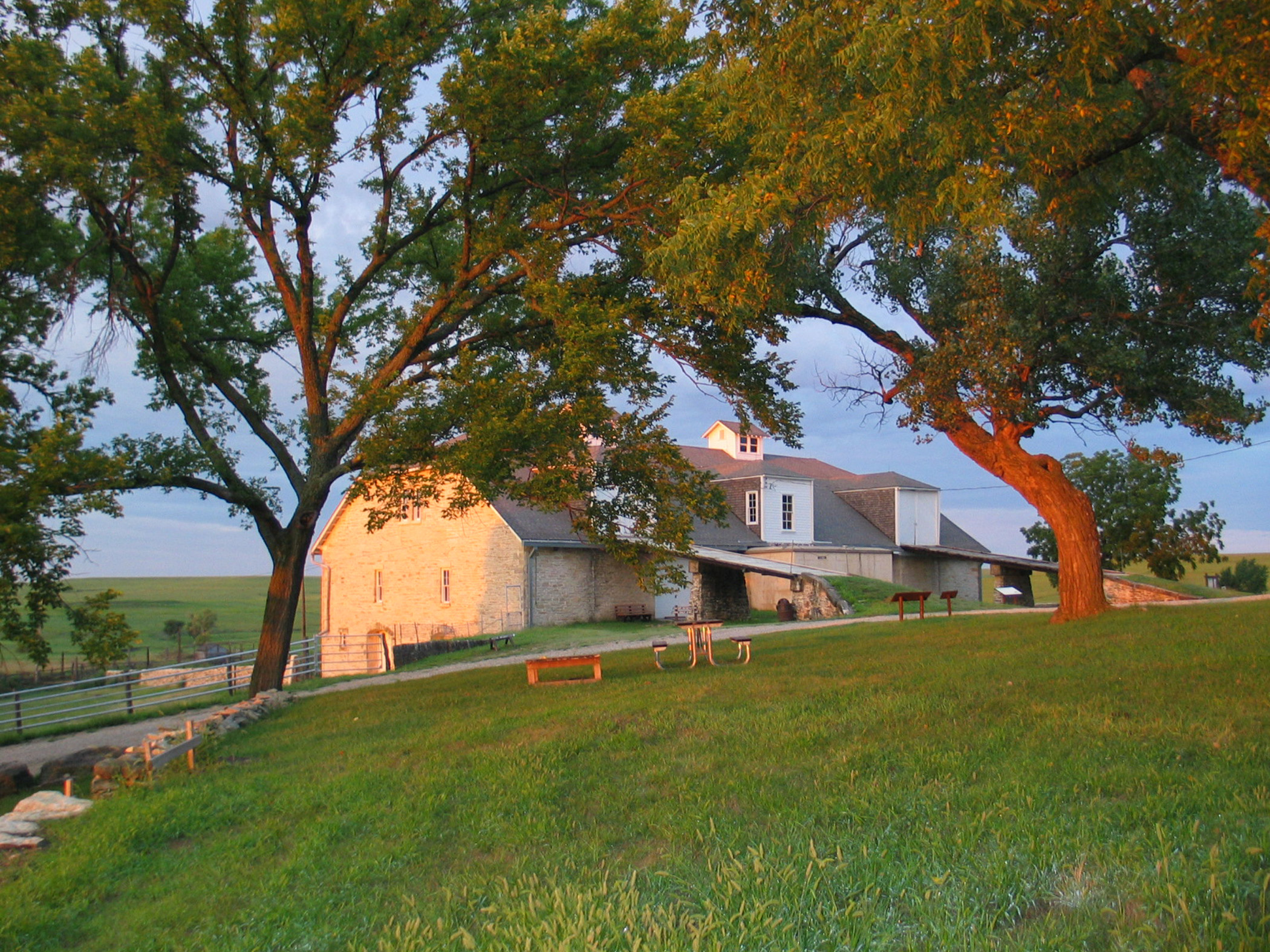
The preserve offers a wide variety of activities and experiences, such as hiking, fishing, education programs, and ranger-led tours. Enjoy the park!
Read More -
Kids Farm Animal Day This Saturday
Learn what life was like on an 1880s ranch. You can feed the chickens, milk a goat, curry the horse, and clean stalls. Earn stickers and certificates.
Read More -
Kids Visit India Using Social Media
As part of National Park Week, local students visit with Range Forest Officer Paresh Porob of the Mhadei Wildlife Sanctuary in India using Facebook.
Read More -
Eastern National Bookstore at the Preserve
Eastern National has a selection of books covering the tallgrass prairie, cowboys, children's books, and other items to make your visit memorable.
Read More -
The Bison Herd at the Preserve is Growing
Continue to watch the preserve's bison herd develop. The original 13 head came from Windcave National Park in South Dakota.
Read More -
Our Address Has Changed
We have moved to our new visitor center and administrative office building. The new address is 2480B Ks Hwy 177, Strong City, KS 66869.
Read More -
Learn About the Preserve's Natural Resources
The Natural Resource Division works with our partners to monitor the natural environment at the Preserve. Follow the link to learn more.
Read More -
Student-Designed Quilts Begin National Tour
Over 250 children and adults worked together to tell the untold stories of the National Park Sites in Kansas. The quilts brought together many people.
Read More
Did You Know?
Cattle can gain up to 2 pounds per day grazing on the prairie grasses of the Flint Hills. The calcium found in the limestone erodes into the soil, making the prairie plants more nutritious for grazing animals. Cattle grazing is still the main agricultural use of the Flint Hills today.