-
Women
-
While a teenager, Ann Maria Weems escaped enslavement in MD by disguise as a driver for an abolitionist going to Philadelphia.
-
Bridget (Biddy Mason) was the enslaved African American of Mormon Robert Smith, who brought Biddy and other African Americans to California in 1851.
-
Elizabeth Keckley was seamstress and friend to Mary Todd Lincoln and founder of the Contraband Relief Society.
-
The experience of freedom seekers William and Ellen Craft suggest a dramatic mix of individual initiative and organized assistance.
-
When President Abraham Lincoln met Harriet Beecher Stowe, he reportedly remarked, "So, this is the little lady who wrote that book that made this...
-
The Underground Railroad’s most famous conductor, Harriet Tubman brought dozens of individuals out of bondage to northern states and Canada
-
African Americans Jane Elizabeth Whiting and children sailed from Virginia on June 1, 1856, as the property of a Mr. Thompson.
-
Nelson Gant was tried for stealing his enslaved wife. Despite a trial, they were absolved and moved to OH.
-
Mary and Emily Edmonson tried to escape slavery on the Pearl. They escaped sale South through the efforts of their father and abolitionists.
-
Mary Ann Shadd Cary (1823-1893) is best known for "The Provinicial Freedom", a newspaper she helped to found and edit for freedom seekers.
-
Mary Ellen Pleasant was a New England Underground Railroad agent who fled to California to avoid prosecution under the Fugitive Slave Law of 1850.
-
In 1851, Reverend John Gregg Fee purchased the enslaved Juliet Miles from his father to keep her from being sold.
-
Slaveholder Nathaniel Ford came to Oregon in 1845, bringing Robin Holmes, an enslaved man, and an enslaved woman named Polly.
-
Sojourner Truth, born into slavery, became one of the most outspoken proponents of freedom and women's rights, both before and after the Civil War.
-
People
-
In 1854 Anthony Burns, a twenty-year old freedom seeker, stowed away on a vessel bound from Virginia to northern ports.
-
-
Benjamin Lundy was perhaps the greatest of the early abolitionists.
-
African American abolitionist David Ruggles became involved in the Underground Railroad because of his association with William Still...
-
Guided by his own experiences in bondage, Frederick Douglass became America’s leading African American abolitionist.
-
Oral history chronicles the amazing story of Augustus "Gus" West.
-
Harriet Jacobs and her daughter Louisa were in Alexandria, VA, from 1863-65 in order to help newly freed refugees.
-
-
Jim Pembroke wrote The Fugitive Blacksmith.He described his early life on the Rockland estate and his escape from slavery.
-
For forty years, John and Jean Rankin led their Ripley, Ohio neighbors in feeding, clothing, and sheltering hundreds of freedom seekers.
-
Fiery abolitionist John Brown dedicated his life to slavery’s destruction.
-
Born into slavery in Spanish Florida in 1812, John Horse eventually became one of the greatest chiefs of the Black Seminole.
-
Freedom seeker Josiah Henson and his family came to Cincinnati in the 1820s.
-
Leonard Grimes was arrested for helping an enslaved family escape. Convicted, he spent 2 years in a VA penitentiary. Afterwards, he moved to MA.
-
A staunch Quaker, Levi Coffin was widely recognized as the "President of the Underground Railroad," with his home known as "Grand Central Station."
-
-
The establishment of separate regional churches and the organization of African American churches in the North helped consolidate northern...
-
Owen Lovejoy, an influential abolitionist politician, lived here from 1838 until his death in 1864.
-
Reverend John Todd was amongst a group of abolitionists who moved to Western Iowa from Oberlin College and set up an important depot on the UGRR.
-
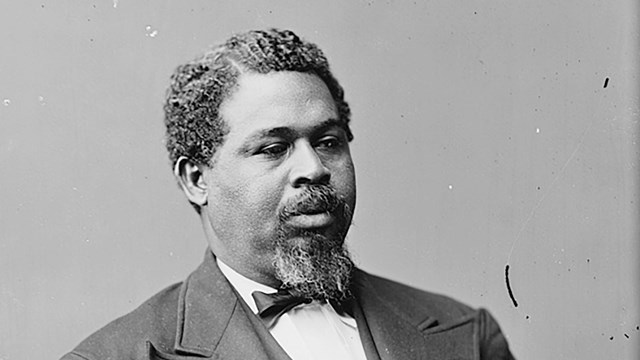
Robert Smalls was born enslaved in Beaufort, South Carolina in 1839.
-
In 1837, runaway Simon was last seen heading south from the Creek Nation.
-
William Chaplin was tried in DC and Maryland in 1850 for being an Underground Railroad conductor.
-
William Lloyd Garrison is one of the best-known abolitionists, and published the widely read antislavery journal, The Liberator.
-
William Still, a freeborn African American, was one of the legendary leaders of Philadelphia’s extensive Underground Railroad network.
-
Constructed in 1854-56, this house was the residence of Wilson Bruce Evans, a leading African American abolitionist and successful member of...