• Visitors bask in a golden sunset at Dickey Ridge Visitor Center in Shenandoah National Park

    Shenandoah

    National Park Virginia

There are park alerts in effect.
hide Alerts »
  • Vehicle Fuel Available at Big Meadows ONLY!

    Vehicle fuel is only available at Big Meadows (mile 52). Gas service has been discontinued at the Loft and Elkwallow areas.

  • Attention Hikers!

    There has been an outbreak of Norovirus among Appalachian Trail (A.T.) hikers. For information about how to protect yourself click here. More »

Natural Features & Ecosystems

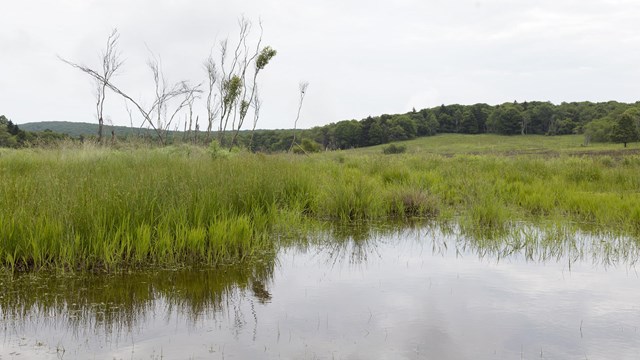
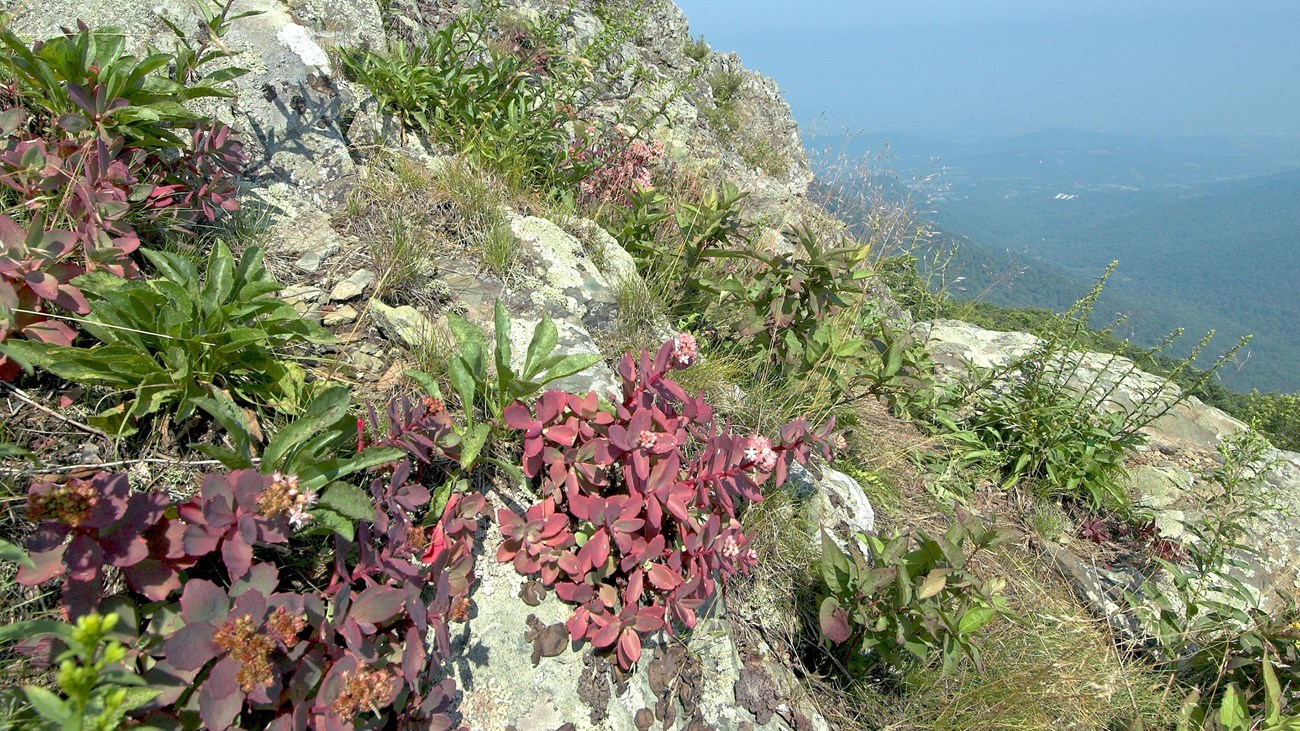
Shenandoah National Park includes 300 square miles of the Blue Ridge Mountains in the central Appalachians. The park rises above the Virginia Piedmont to its east and the Shenandoah Valley to its west. Two peaks exceed 4,000 feet. The range of elevation, slopes and aspects of mountain and hillsides, rock and soil types, precipitation conditions, and latitude interact to create a mix of habitats.

The park’s biota and natural features include: well-exposed strata of the Appalachians, one of the oldest mountain ranges in the world; diverse animal and plant populations and habitats; migratory bird stop-over points; and forested watersheds that perpetuate numerous streams flowing from uplands to lowlands.
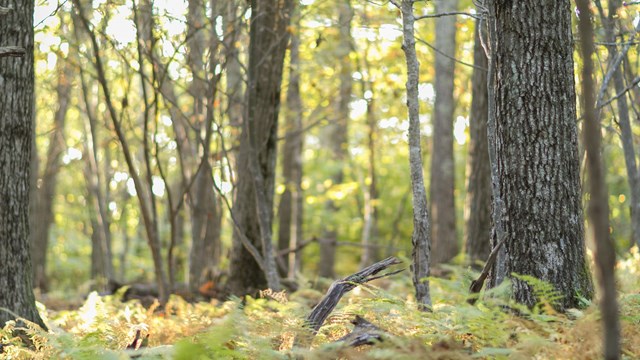
Shenandoah is the largest fully protected area in the mid-Appalachian region.

Did You Know?

The CCC Camp at Skyland (NP-1) was the first Civilian Conservation Camp in the National Park Service.

The first Civilian Conservation Corps camp in a national park was Shenandoah National Park’s NP-1 established near Skyland in May 1933. The second National Park Service camp was also in Shenandoah National Park, camp NP-2 at Big Meadows. More...