
Always Check The Local Weather Forecast Before Visiting in WinterBecause of the extreme elevation range in the parks, weather conditions vary widely between areas. In summer, the sequoia groves have comfortable temperatures and the foothills are hot and dry. Snow lingers on high-mountain passes well into summer. In fall, conditions can range from summer-like to winter-like. Winter brings snow to sequoia groves and rain to the foothills. Be prepared for tire chain requirements. Spring is a great time to hike in the foothills and snow begins to melt at higher elevations. 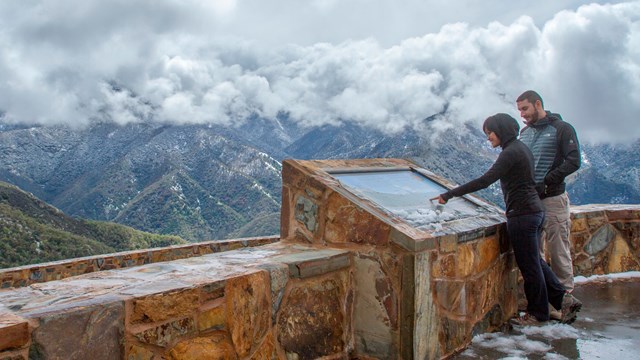
Winter Drives & Viewpoints
Even if you don't plan to leave the comfort of your car, you can still visit these parks in winter. 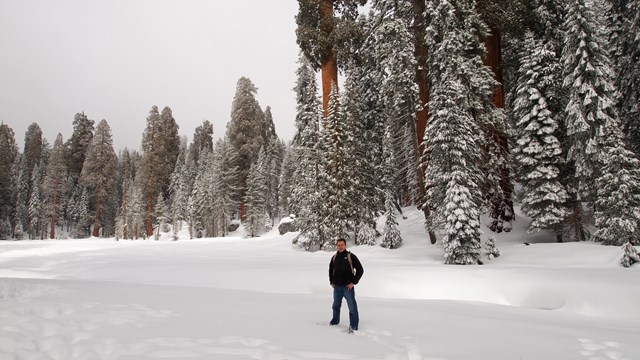
Snowplay
Playing in the snow is a great way for families to enjoy these parks. Learn more about our designated snowplay areas, and be safe! 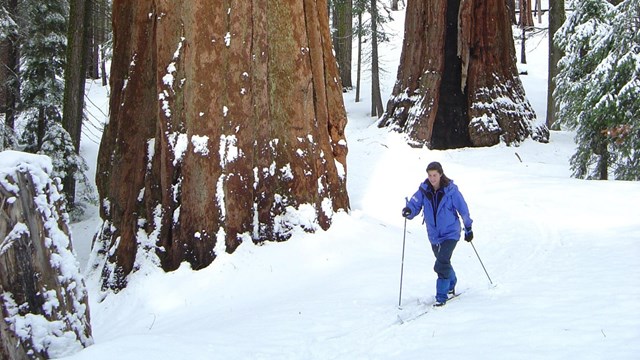
Skiing and Snowshoeing
Ski and snowshoe trails offer a way to travel through Giant Forest and Grant Grove in winter. 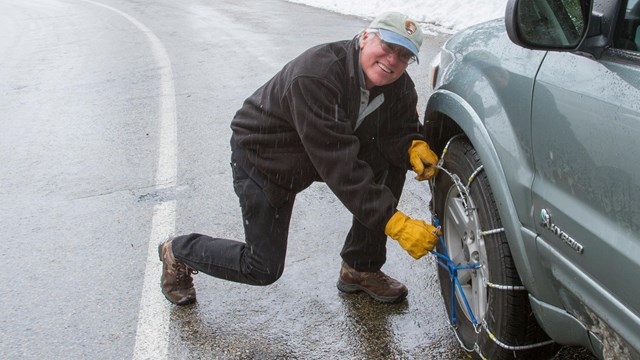
Winter Driving & Tire Chains
Be prepared for snowy mountain roads! Chains may be required at any time. 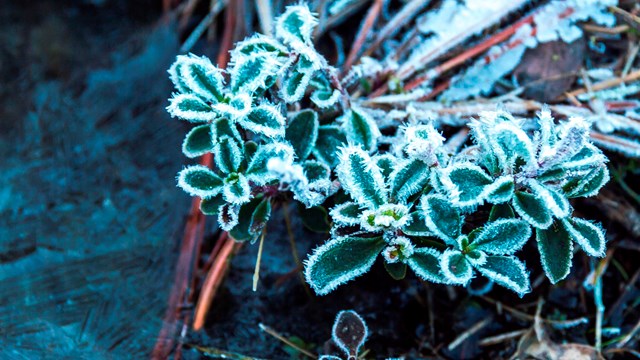
Current Conditions
Check in on current conditions in the parks. 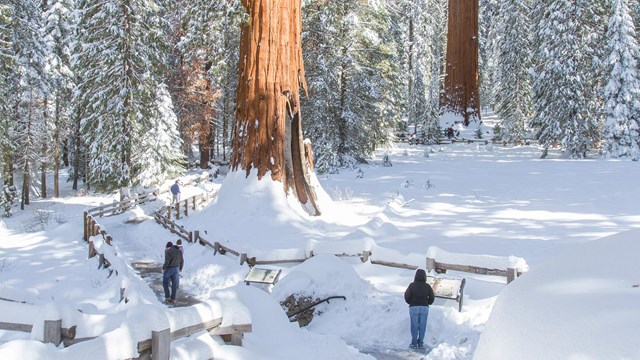
Giant Forest Winter Trails
Take in the deep snowy silence of the Giant Forest in winter. Trails are not plowed.Check at visitor centers for conditions. 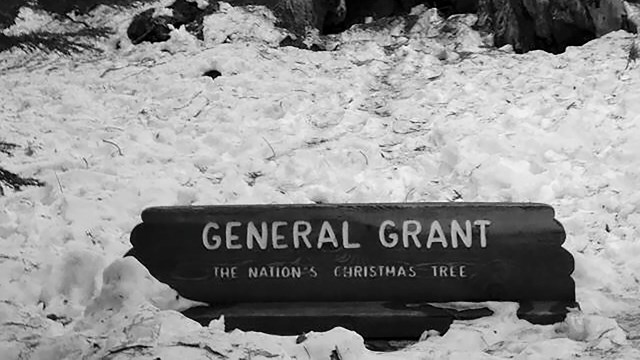
Grant Grove Winter Trails
Grant Grove is home to the nation's Christmas Tree. Most trails are not plowed. Check which trails match your winter gear and abilities. 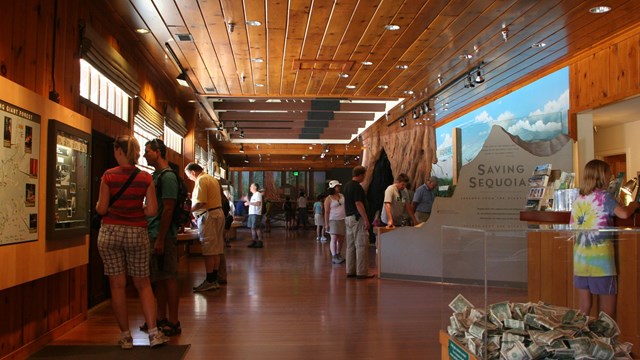
Visitor Centers
Stop by our visitor centers and museums to explore exhibits, get trip-planning information, and shop in our park stores. 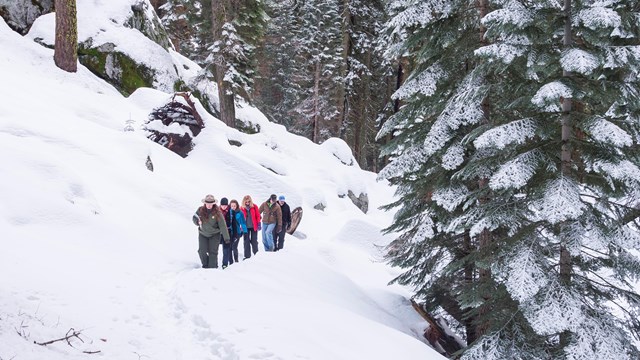
Winter Ranger Programs
Ranger programs are offered year-round in these parks. All are free and open to the public. Whether you come for snowplay or a wilderness trip, winter is a great tiem to visit the parks. Winter driving in the mountains can be challenging and tire chains are often required in snowy weather. Check with the current edition of the park newspaper for additional information to safely experience these gigantic landscapes. If you have only a few hours:Entering via Highway 198 (Ash Mountain Entrance): Stop at the Foothills Visitor Center and explore the exhibits about California's fascinating and diverse oak chaparral ecology. In all of North America, only the Central American rainforest has a richer array of plants and animals than California oak chaparral. A one-hour drive takes you up to the Giant Forest Grove of sequoia trees, including the General Sherman Tree, the largest living thing on earth. Along the way, stop at the Hospital Rock Picnic Area and Exhibits to learn more about local Native American groups and how their relationship with this place. If you have a day:Entering via Hwy 198: Sled, ski, or snowshoe at the Wolverton Snowplay Area. Rent snowplay gear at Wuksachi Village (closed until March 15, 2024). Allow at least 2-3 hours drive time round trip to the Giant Forest—or longer depending on winter conditions. In Giant Forest, stand among the giant sequoias on the Big Trees Trail. Always bring tire chains, layers of warm clothes, and emergency water and food. If the highway between the parks is open, allow at least 2-3 hours drive time between entrance stations on the Generals Highway —or longer depending on winter conditions. Entering via Hwy 180: Sled, ski, or snowshoe at Big Stump or Columbine near Grant Grove Village at the Visitor Center and buy your ticket for a Grant Grove Village Market. Always bring tire chains, layers of warm clothes, and emergency water and food. If the highway between the parks is open, allow at least 2-3 hours drive time between entrance stations on the Generals Highway —or longer depending on winter conditions. If you have a couple of days:Entering via Hwy 198: In the Foothills, hike one of the trails near Ash Mountain. Stop at Hospital Rock to see the Native American grinding stones and pictographs. If you're staying in Wuksachi Village (closed until march 15, 2024) hike or snowshoe one of the trails in Giant Forest. Visit the General Sherman Tree and the Giant Forest Museum. Entering via Hwy 180: Come for a free snowshoe walk in Grant Grove Village. Watch for wildlife track on one of the trails around Grant Grove Village. Stop at the Redwood Canyon Overlook (just south of Grant Grove Village). If you have a week or more:The Sequoia Parks Conservancy's Sequoia Adventures program offers a wide variety of programs. Learn how recent wildfire affected the parks, or gaze at the stars with their experienced guides. Enjoy park campgrounds without summer crowds. Campgrounds open in the winter include Potwisha (near Ash Mountain) and Azalea in Grant Grove Village. If you're prepared for winter wilderness travel, stop at a visitor center for a permit for an overnight trip to the splendid snowbound High Sierra. For additional activity ideas, check the park newspaper or ask at a visitor center. |
Last updated: January 30, 2024