
|
Visit our keyboard shortcuts docs for details
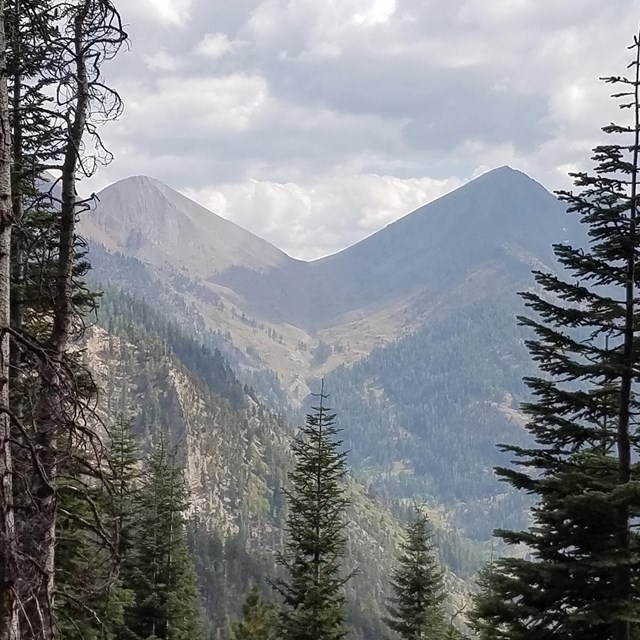
Explore the sounds of Sequoia & Kings Canyon National Parks, visiting scenic landscapes from the foothills to conifer forests, meadows, and high-elevation alpine areas and listening to the rich diversity of sounds across park elevations. 
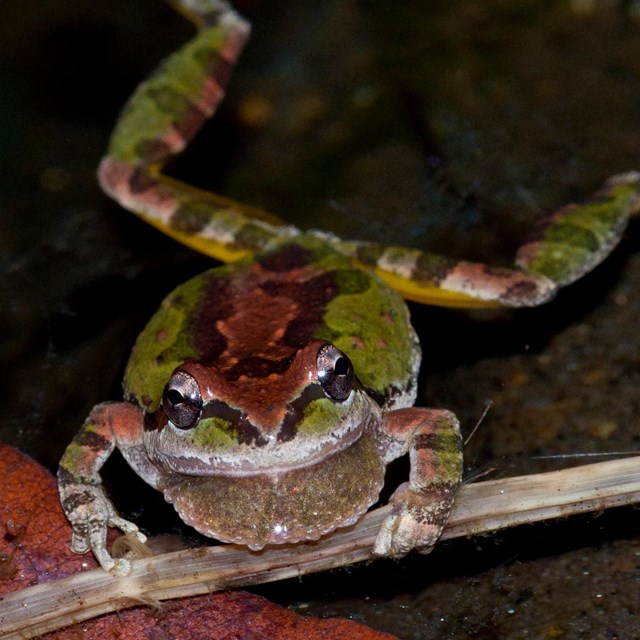
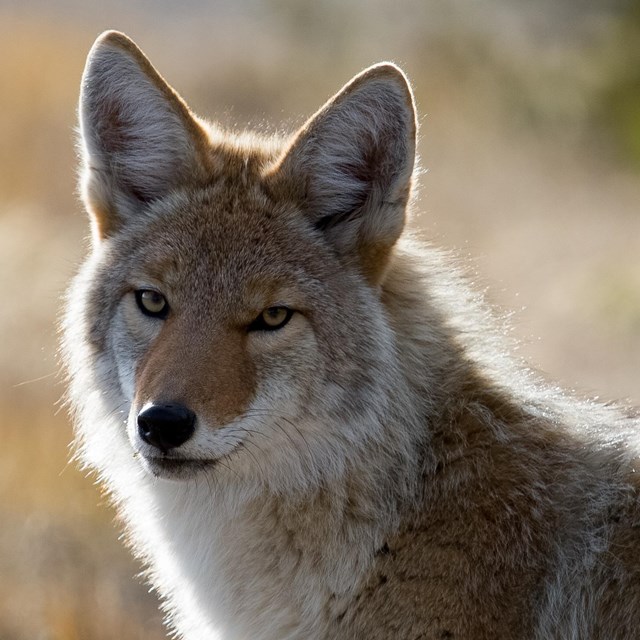
Gary Lindquist The natural sounds that characterize soundscapes are important for both animals and people. Animals make sounds to communicate, establish territories, and court potential mates. They must listen to sounds to find food and avoid predators. In the spring, listen for the variety of birdsong filling the air, as male birds sing to advertise their territories to competitors and attract mates. Bats use high-pitched calls to echolocate (emitting sound that echoes back from objects they encounter), which helps them find flying insects and avoid things like canyon walls or trees. Amphibians may all chorus together from different locations to confuse predators. Coyotes yip and howl primarily to communicate with each other. 
Wesley Meyers People come to parks to experience natural quiet and the sounds of nature, in addition to seeing the scenery and wildlife. While in a park or other natural area, listen to the soundscape around you. The sounds of running water, wind through tree branches, and your footsteps crunching against dry branches or leaves provide a contrast to the blaring horns, pounding of hammers, or mechanical noise of cars and heavy equipment you typically hear in cities. Paying attention to natural sounds can lead you to see a bird or another animal you might have missed if you were on your phone or listening to music on a headset. Scientific research indicates that hearing natural sounds brings health benefits for humans, such as lowered stress, improved mood, cognition, and social well-being.
Learn MoreNational Park Service scientists use specialized recording equipment to conduct monitoring of park soundscapes. Visit our web page "Exploring Soundscapes" to learn more about what we study in Sequoia & Kings Canyon National Parks, and how this work will help us better track and understand changes in biodiversity. Many of the sounds recorded are now available for you to experience through a story map and a digital sound library. Explore the links below to enjoy the parks' soundscape for yourself! Listening to Park Soundscapes
|
Last updated: April 4, 2024