
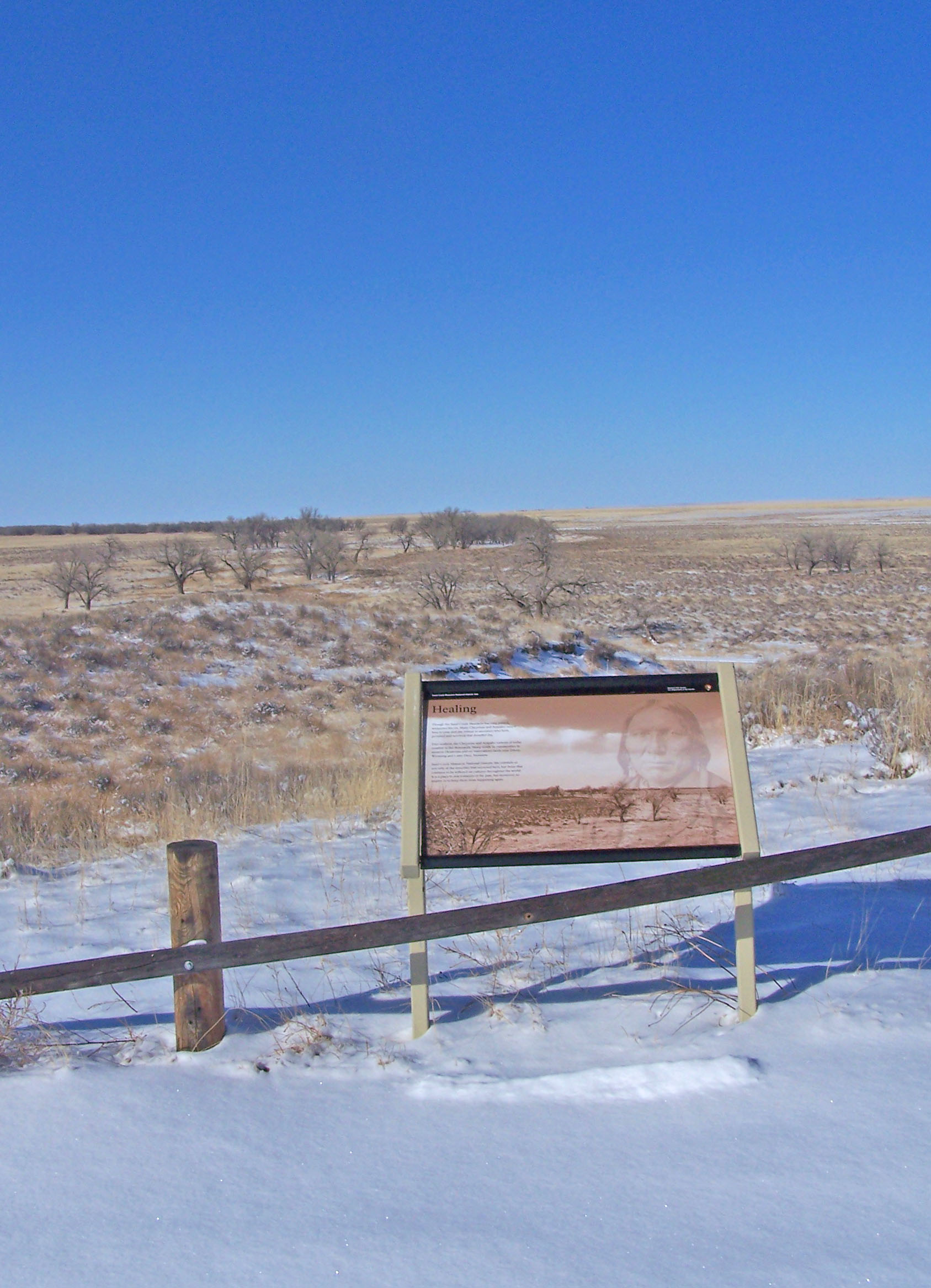
The Sand Creek Massacre - 8 Hours that would change the Great Plains forever
The Sand Creek Massacre: profound, symbolic, spiritual, controversial, a site unlike any other in America.
As 650 cavalrymen came around a prairie bend - the camps of Chiefs Black Kettle, White Antelope, and Left Hand lay in the valley before them. Chaotic, horrific, tumultuous, and bloody, the events of November 29, 1864 would change the course of history.
Features
-
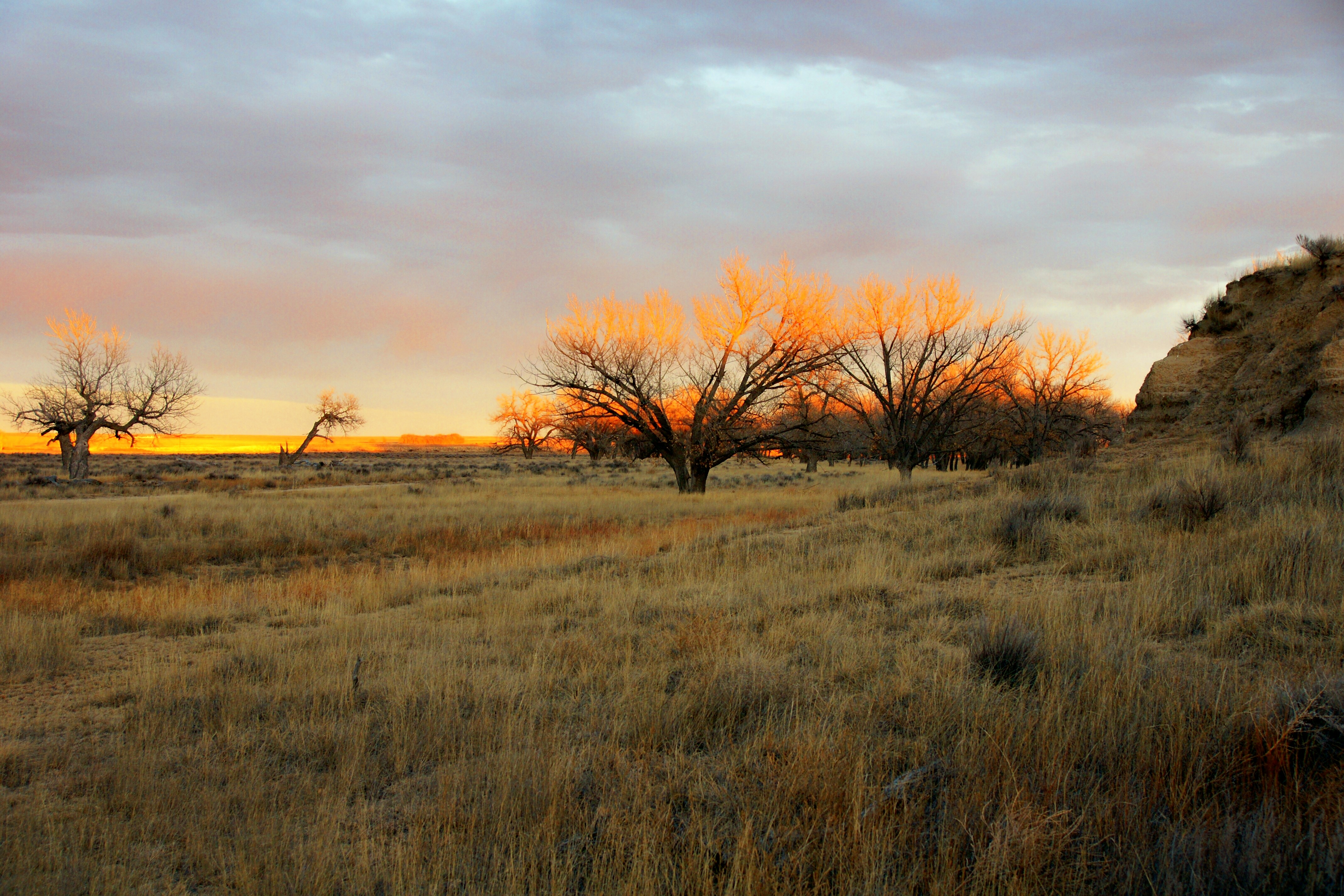
A rare site - water in Sand Creek!
Sand Creek or the Big Sandy crosses six eastern Colorado counties before emptying into the Arkansas east of Lamar, Co.
Read More -
The amazing life of Stacy Riggs
Stacy Riggs, Red Cap or Lone Wolf. A survivor of the Sand Creek Massacre, the Battle of the Washita, the Little Big Horn, and the Dull Knife Fight.
Read More -
The Coloradoan
Major Jacob Downing, served under Colonel Chivington at the Sand Creek Massacre. Downing, a native of Albany, New York had come to Colorado in 1860.
Read More -
A place to reflect
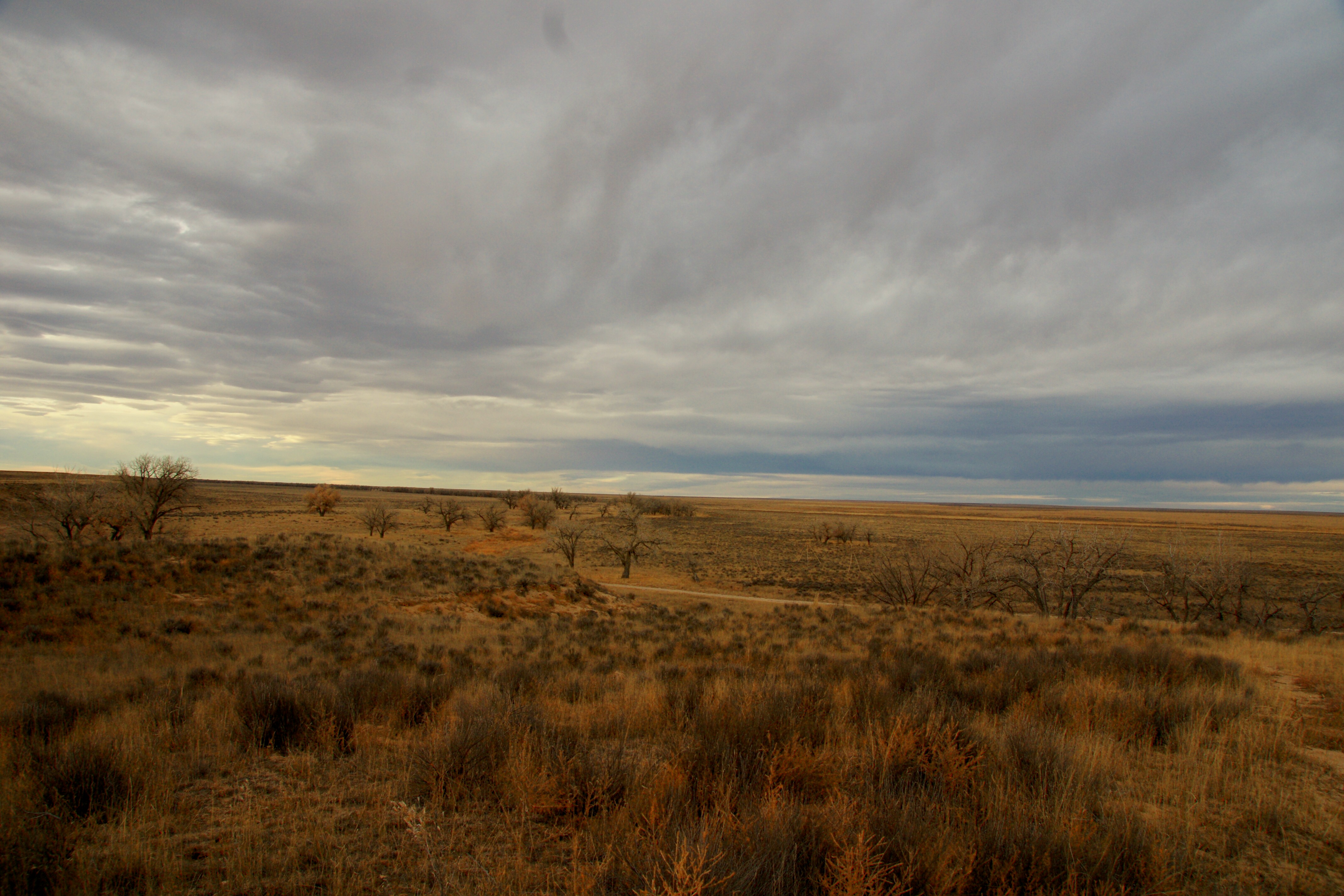
The overlook at the Sand Creek Massacre National Historic Site. The area provides a sweeping viewshed of the site of 1864 massacre
Read More -
The horrible day
Digger Haag and child, Southern Cheyenne. The Sand Creek Massacre resulted in the deaths of many women and children.
Read More -
A friend to the friendless
Oliver Baxter set out for the Rocky Mountains from his native Indiana when he was 24 years old.
Read More
Did You Know?
The cheyenne tribe is divided into two divisions, the Northern and Southern. Most Northern Cheyenne live in Montana in and around the communities of Busby, Lame Deer, Ashland, and Birney. Most Southern Cheyenne reside in western Oklahoma, near the towns of Hammon, Seiling, Clinton, and Watonga.