

NPS Photo. Richmond National Battlefield Park contains many plant communities in a variety of successional stages. Although approximately 70% of the park's acreage is forested, habitats range from open grasslands and savannah-like pinelands to riparian wetlands and streamside communities.
This creates an excellent opportunity for visitors to see a wide variety of habitats across the park's many units. For example, the Beaver Dam Creek unit consists primarily of a wide wetland area bordering the creek, although a small percentage of the surrounding floodplain is forested. The Cold Harbor unit is made up primarily of drier upland areas, where the park maintains an open savannah-like pine forest through prescribed burning. Vegetation at the Malvern Hill and Glendale units reflects the diverse landscapes which include flat uplands, rich coves, dry side slopes, moist bottomlands, and wetlands. Finally, the Fort Harrison unit is primarily composed of forest, though it contains several miles of Civil War fortifications maintained in either open forest or native grass for the visibility of the visiting public.
Through a combination of active management and resource monitoring, Richmond National Battlefield Park's native plant diversity is being preserved for generations to come. Click on the subheadings to learn more about specific kinds of plants or check out this brochure about the park's plant life (PDF 1.95 MB.)
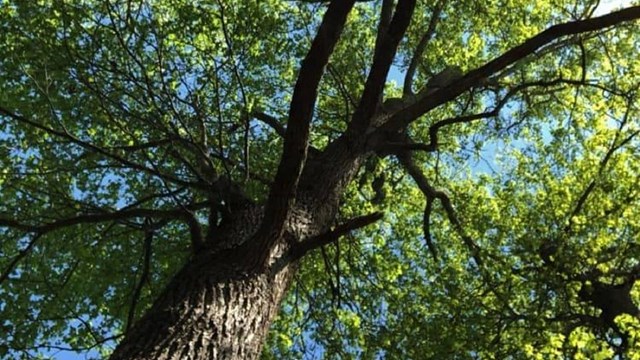
Trees and Shrubs
Click through to learn more about different tree species and where they are located within the park. 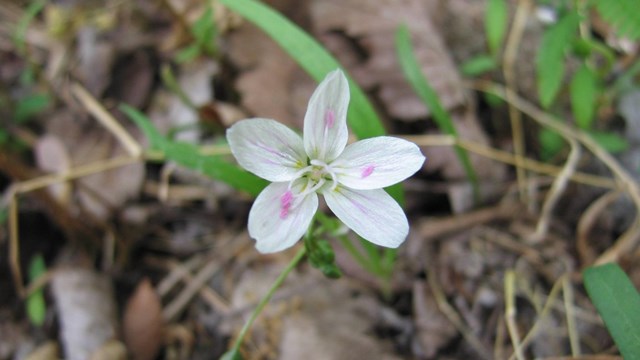
Wildflowers
Many types of wildflowers bloom in the park from late spring until early fall. 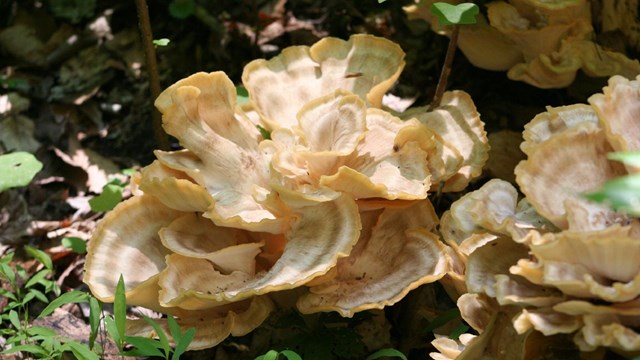
Mushrooms and Other Fungi
Mushrooms and other fungi play an important role in the park's ecosystems. 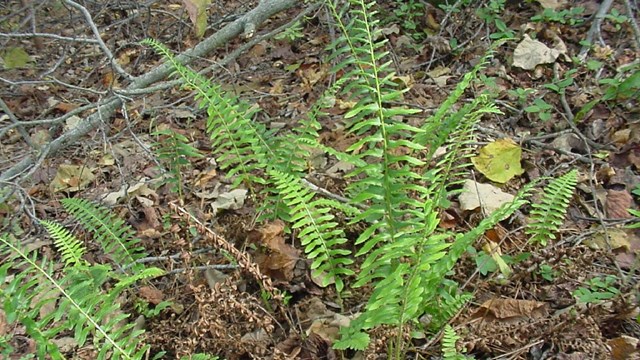
Ferns
You can find ferns in many of the damper areas of the park, such as by wetlands or along streams. |
 |
|
Last updated: January 28, 2022