San Gabriel Mountains and Watershed Special Resource Study
      National Park Service      
Comments by Code

<< Back to Comment Summary

Cultural Resources

  • Identify and document artifacts and other cultural/natural resources and protection. Include newly found discoveries after the fire.
  • Include historic trails in the study area/watershed.
  • Could have a sign/plaque to mention/identify cultural sites - provide better understanding of history.
  • There are tremendous natural and cultural resources. Cultural resources are getting lost in fires. Let smaller fires happen. Preserve cultural sites.
  • Burn in the forest may expose additional archeological sites.
  • Other resources for consideration:
    • Whitney waterfall
    • Pacific Crest Trail
    • Many historic mines and oil industry history
    • 3 Nike Missile sites
    • Chantry Flats area has historic cabins from the 1920s and 30s
    • Beale's Cut - just beyond the study area
  • The land comes first - stewardship should be collaborative, not just USFS. Also support preservation of Native American practices.
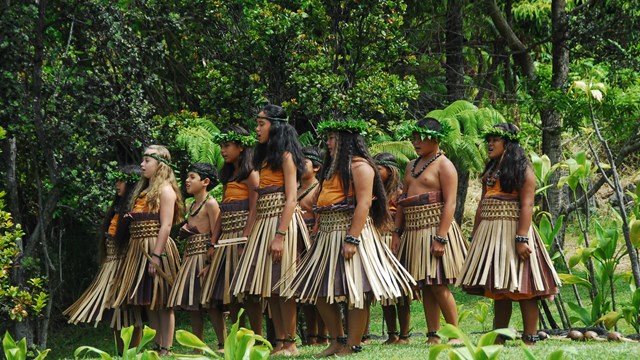
  • Harakmongna means "place where the people gather." So significant. Cultural center place where you can learn/share about resources, living with land. Also, trails are mainly old Native American trails to access Harakmongna.
  • Harakmongna Cultural Center (at Red Box in ANF) is the place for 3rd grade students. Want to see emphasis of Native American aspects of the area. Thousands of years of history, culture, etc. Would like to see recognition. The culture/knowledge is still here and alive.
  • Want to work with forest in restoring forest using Native American land management and tie in education, traditional gathering, trading, etc.
  • In Redwood/Trinity Area, Native Americans work closely with land managers and share knowledge.
  • Engage native peoples so that cultural resources are addressed.
  • Use educational opportunities (Indians, etc.) to make connections. Talk to Santa Clarita Valley Tribal Branch, other tribes. Opportunities for overarching themes connecting resources/areas.
  • Recognition of Native Americans that are still active in area - Gabrielenos and Tonga.
  • The inclusion of a Native American Forest Restoration area near or around Haramokngna will enhance the diversity of purposes to which this area may be used. Such an area would be devoted to forest management in traditional Native American ways, and would serve as well as an area for the collection and use of native plants. This could greatly enhance general understanding of Native practices and skills and extend the diversity of area management and use.
  • With specific regard to the creation of Native American plant gathering areas and the preservation of river systems and watersheds, I support measures that will help set aside an area for native plant gathering and natural management technique demonstrations. 
  • I support the idea of creating a Native American Forest Restoration Area around Haramokngna so that indigenous people can maintain their gathering areas in traditional ways.
  • Native American sites must be preserved and celebrated as part of the diverse heritage of the region and nation.
  • A national recreation area should reflect respect for the cultural, historical and spiritual values of the land to Native Americans. Programs should be designed for the public to explore the history of Native Americans in the San Gabriels.
  • As a Native American from southern California, I am especially concerned with the amount of ancestral lands that occur within the confines of this possible National Recreation Area. Any future planning must include the Native ancestry, experience, and guidance. Places such as the Haramokngna Cultural Center must be in all stages of planning and should include Native American gathering areas and Native American Recovery areas post fire. A NRA designation should also include planning and implementation of Native land management principles.
  • I represent the Historical Society of the Crescenta Valley, a 500 member group. We have studied and celebrated the history of these mountains above our valley. We have partnered with the Haramokngna American Indian Cultural Center on several events. We consider as a major player in this process the Native peoples of the San Gabriel Mountains. We would like to see, among other things, a native plants gathering area established, and the permanent establishment of a Native Forest Management Demonstration Area around Haramokngna.
  • What is needed is a Native American Forest Restoration Area surrounding the Haramokngna American Indian Cultural Center, and native plant gathering areas to demonstrate Native land management principles and help keep Native culture and traditions alive. Los Angeles has the largest Native American population in the world, yet there is no land available for them to teach and practice their culture. Native basketry is dying as there are few areas left to gather the native plants necessary for continuing those traditions. Native land management, that served the five tribes of the San Gabriels for thousands of years have been ignored, and cement covers the rich biomes of their life ways. We hope that can be restored in the development of the San Gabriel Mountains National Recreation Area.
  • I support the NRA as an educational area for the largest urban Indian population in the country. Haramokngna provides this population an opportunity and place to share and learn traditional land management practiced by the first population of the Los Angeles area. This information is crucial for urban people separated from their traditional land and life ways. In some cases, our community members have been living in an urban setting for multiple generations, and Haramokngna has been the only site available to learn these traditional activities. In an age where more and more emphasis is placed on worldwide environmental concerns, Haramokngna is a perfect sample of communities taking responsibility for their "place." As it is not surrounded by concrete and buildings, it is a perfect place to learn and develop skills not taught in other institutions or agencies. Please continue to identify Haramokngna as an important site for the local urban Indian community.
  • As a California Indian I am particularly interested in the preservation and sustainable promotion of Native plant areas. New and robust partnerships between state, federal and local agencies as well as the Native community could create amazing opportunities including a Native Forest Restoration area that would have environmental, cultural, and research applications.
  • We (who are involved at Haramokngna) are also asking for environmental justice in the creation of a Native American Forest Restoration Area around Haramokngna where we can demonstrate Native land management practices that kept the forest viable for thousands of years. Many other National Forests works with their Indigenous People to maintain gathering areas in traditional ways. We are asking for that now in the Angeles National Forest. I support the management structure in Alternative C of the Study.