|
|
Leadership: Director Robert Stanton
Established: The National Park Service, was created on August 25, 1916 to manage natural and cultural areas of supreme value including places such as Yellowstone and Yosemite, which was then assigned to the U.S. Department of the Interior.
Size: 378 parks covering 83.3 million acres in every state (except Delaware’s.) These areas include national parks, monuments, battlefields, military parks, historical parks, historic sites, lakeshores, seashores, recreation areas, scenic rivers and trails, and the White House.
Visitation: 1997 - 265,796,163
Employees(permanent, seasonal & temporaty) 20,000+
Budget: FY 1997 Appropriation-$1.6 billion Volunteers: 90,000
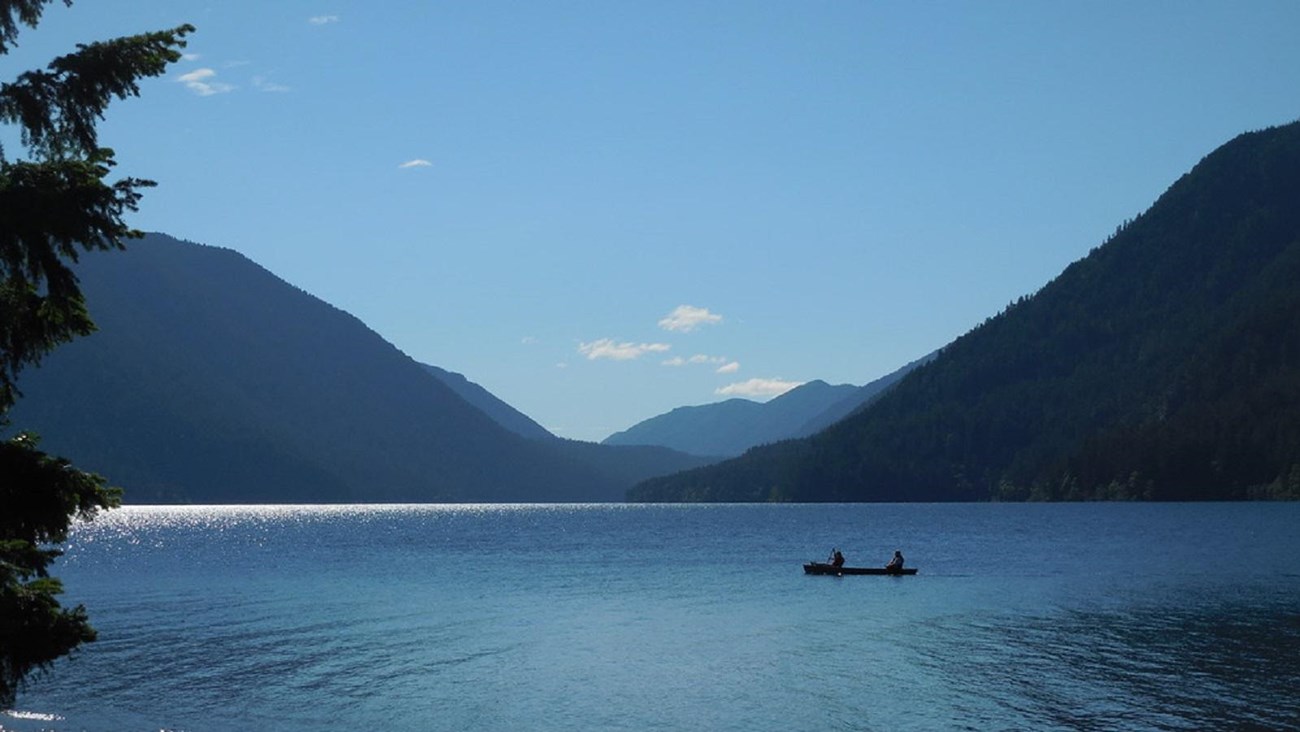
Visitor Activities: Camping, vacationing, hiking, biking, quiet contemplation, cross country skiing, snowshoeing, bird watching, animal observations, fishing, rafting, kayaking, sailing, boating, canoeing, swimming, surfing, beachcombing, tidepooling, walking. and overnight lodging.
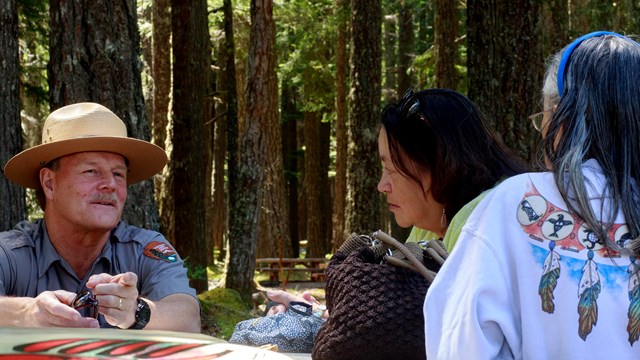
Education and Enjoyment: Interpretive walks,
boat tours, bus tours, interpretive talks,
interactive exhibits, campfire talks, slide shows, video programs,
museums, volunteer programs,
educators, teachers workshops, artist in residence programs, historical
information, living history programs, natural resource information, children’s
programs, Junior Ranger program, and parks as classroom educators.
Partnerships: The NPS accomplishes its goals, in partnership with cooperating associations, volunteers, businesses, concessions and cooperation from other land management organizations. These organizations provide assistance with visitor services, interpretation, publications, time, resource protection and rehabilitation and education.
America’s Best Idea
Samples of Cultural Resources Protected 2/3 of the National Park System
recognizes historical events
Civil War Battlefields 384
Historically Significant Places 66,000
Park Museum Collections 300
Museum Treasures(objects and specimens) 28 Million
(14,000 linear feet of archives)
These statistics change from year to year as funding and research permit.
Samples of Significant Natural Resources Protected
First National Park Service system in the world.
Protects the last remaining section of temperate rainforest in North
America, last paleotropical rainforest.
Unique natural features protected include; rivers, glaciers, lakes
mountain ranges, biota, ecosystem management, wildlife, flora and
flauna.
Samples of Significant Natural Resources continued
Recovery of endangered species and lost habitat examples; Pinniped
recovery @ Channel Islands National Park and Point Reyes National Park,
streambed reconstruction @ Redwood National Park, giant forest @
Sequoia Kings Canyon National Park, and the ball python at Hawaii
Volcanoes National Park
World Heritage Sites
The NPS has joined nations around the world in celebrating outstanding,
universally recognized, natural and cultural features that attract admiration
and merit. Twenty national park areas are designated "World
Heritage" sites. These sites are wholly owned by the United States
government.
Man And Biosphere
26 park NPS units, wholly owned by the US Government, are recognized
for their significance for research and study of representative biological
regions. There are 324 biosphere reserves in 82 countries.
Additional Responsibilities of the National Park Service
Rivers, Trails, Conservation Assistance Program
Established to support community-based conservation action. Whether
a community’s goal is to create a trail or greenway, conserve a river
or stream, or protect open space, RTCA assist with the process. The
purpose is to assist communities working to protect the resources they
value, and to enhance opportunities for close to home recreation.
Surplus Land
When surplus federal lands become available in your area through military
base closures or other actions, local communities may be eligible to apply
for a transfer of these lands at no-cost if they will be used for public
park and recreation purposes. The Federal Lands-to Park Program assist
local communities in applying for and acquiring these properties.
National Register of Historic Places
Database of 66,000 historically significant places.
National Historic Landmark Program
Index of properties designated by their contribution to history of
the U.S.
American Indian Liaison Office
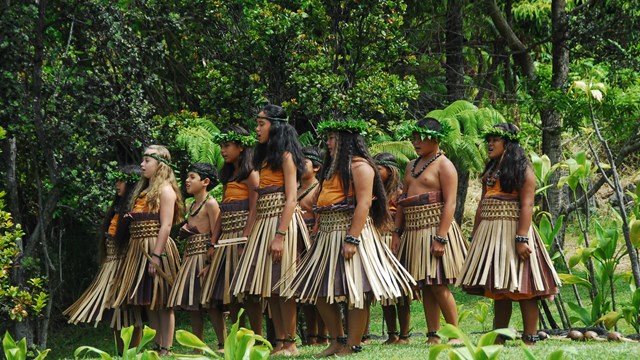
Created to improve relationships between American Indian Tribes, Alaska
Natives, Pacific Islanders and the National Park Service through consultation,
education, outreach, technical assistance, education, and advisory services.
Archaeology and Ethnography Program
Provide national leadership and coordination for archaeology
and ethnography.
Heritage Preservation Sites
Assist citizens and communities identify, evaluate protect and preserve
historic buildings, landscapes, landmarks archeological sites, battlefields
and tribal communities.
Historic American Buildings Survey and Historic American Engineering
Record
Preserving important architectural engineering and industrial sites
through programs that document outstanding examples of this countries heritage.
HABS/HEAR collections of mechanical drawings, large-format photography
and written histories are available to the public through tthe Library
of Congress.
Website addresses: www.nps.gov www.cr.nps.gov
www.aqd.nps.gov