|
|
| Coast
to Coast Diversity in the
National Park System A Perspective of the Importance of our National Heritage General
Diversity:
|
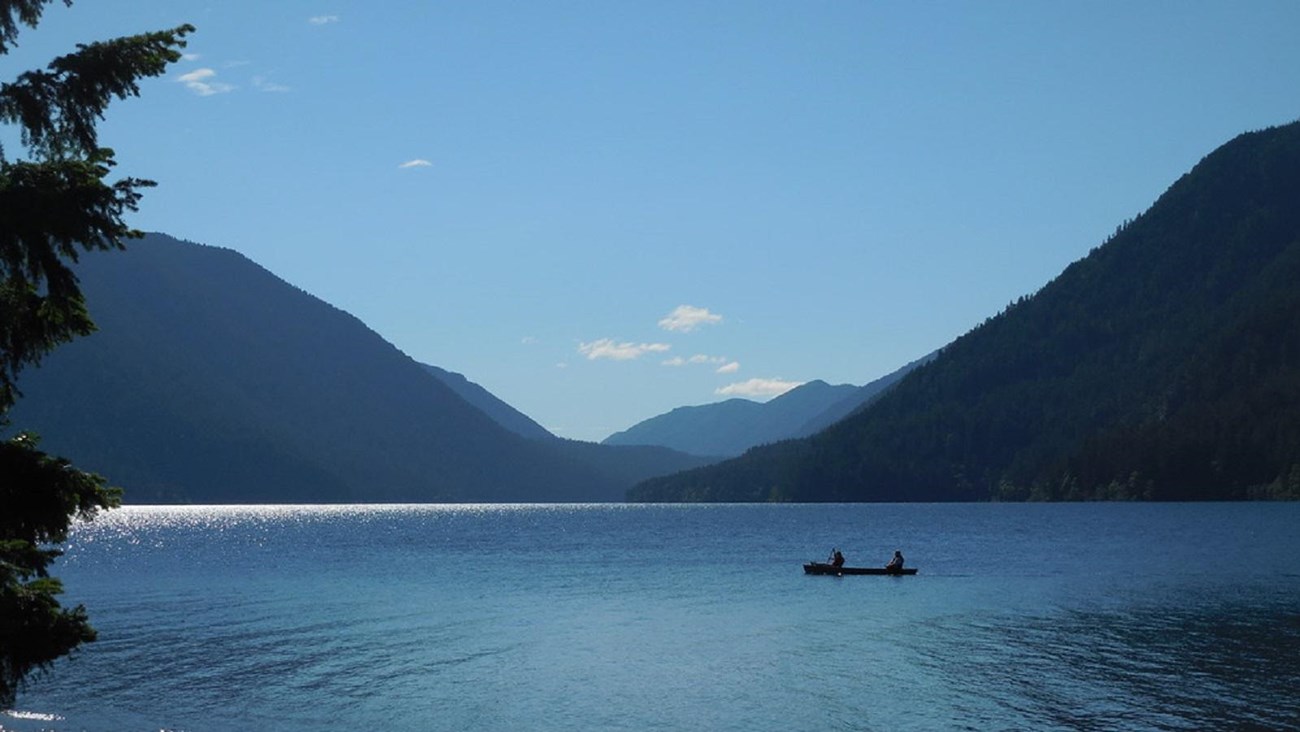
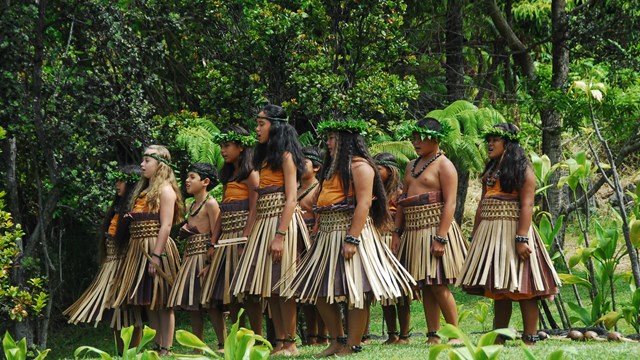
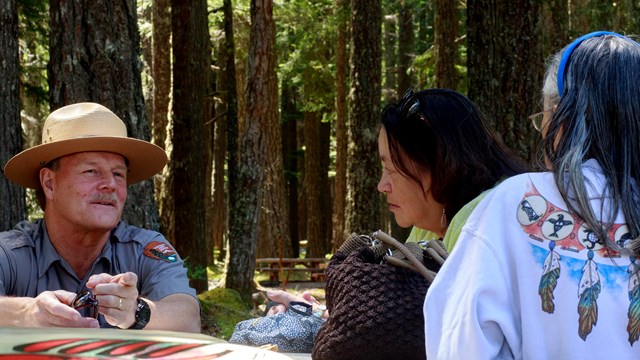
Where would youfind an example of the "wild America," the America discovered during westward expansion? How would you discover the variety of cultures that developed and designed American culture? Where wouldgo to experience the breathless beauty often written about in poetry and books, or painted on canvas? What activities can help us experience the lives of a frontier family, fur trapper, Spanish explorer, Native American basket weaver, African slave, a wild eagle, or bear? Yes, we can turn to history books and artists renditions or wander through museums dedicated to preserving American Heritage and Natural History. However, we can explore these mysterious places ourselves. The National Park Service(NPS), hosts 376 national sites that are available to the American people for outdoor and indoor activites, education and entertainment. As a visitor we can experience diverse opportunities to answer all the questions above, and many more that you may want to ask. The NPS provides these opportunities through its 1916 landmark legislation; "…to promote and regulate the use of the…national parks…which purpose is to conserve the scenery and the natural and historic objects and the wildlife therein and to provide for the enjoyment of the same in such manner and by such means as will leave them unimpaired for the enjoyment of future generations." You, your children, their children and their children’s children are the future generations. The NPS ensures that our places are protected and visited. For instance: The Underground Railroad is a historic series of places that represent the fight for freedom of African Americans. Ellis Island returns many visitor ‘s, or a friend’s last name, to a time when their ancestors first stepped on to American soil, after long and harowing journey to the land of opportunity. Perhaps your last name was created at Ellis Island? A visitor to Puukohola Heiau in Hawaii will experience Hawaii’s "independence hall" and the rich culture of native Hawaiians and other Polynesian cultures by exploring the last major sacred structure built before outside influences changed Hawaiian culture permanently. Harry S. Truman, Carl Sandburg Home and the Martin Luther King Jr. National Historic Sites are three of the many opportunities a visitor has to learn about significant individuals and their contributions to America. A visitor to Cabrillo National Monument can stand on the same headland beach that Juan Rodriguez Cabrillo stood on as the first European to visit the California coast. Mt. Rainier National Park, which celebrates its 100th anniversary in 1999, provides the visitor with the opportunity to experience the breathtaking and fragile environment of a sub-alpine community, or to walk along the edge of a glacier created over millions of years. Visitors to Yosemite National Park walk beneath a 200+ foot wall of granite and cascading waterfalls as the setting sun splays across the rock face. At Haleakala National Park, a visitor can experience the world that thrives beneath active volcanoes and observe the ecological changes that occur after a volcano has erupted. Visitors to Olympic National Park can walk within a temperate rainforest protected from the elements by a canopy of 200-300 foot tall trees, and if you are visiting in late fall or early spring you may hear the bugle of a Roosevelt bull elk. At Redwood National Park, a visitor stands within a Redwood forest that is home to trees that are an average of 500-700 years old and grow over 300 feet tall. Visitors to Lake Chelan National Recreation Area will enjoy a passenger boat ride or a float plane ride to the wilderness of Stehekin, and experience the richness of frontier life.
|