
The National Park Service Office of Public Health (OPH) is a national activity headquartered in Washington, DC. Functioning as an internal health department, OPH provides agency specific capabilities for parks on a range of new and evolving public health issues through Health Protection and Disease Prevention. In addition, the OPH advances health for employees and the visiting public by elevating parks as a resource for overall wellbeing through Health Promotion. Underlying all of its efforts, the OPH strives for a One Health model of public health practices and integrative effort of multiple disciplines, working collaboratively to attain optimal health for people, animals, and the environment. We are proud that the work we do everyday saves lives and helps address public health issues impacting more than 300 million people each year.

Who We Are
Learn about our team and our passion for the work we do!
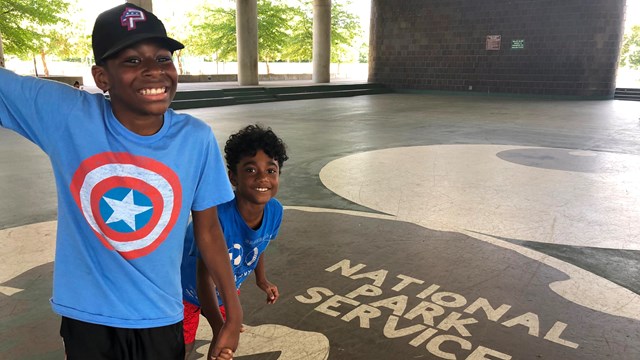
What We Do
Learn more about how we address health in parks!

Understanding the Partnership
Explore the 100 year partnership between USPHS and NPS!
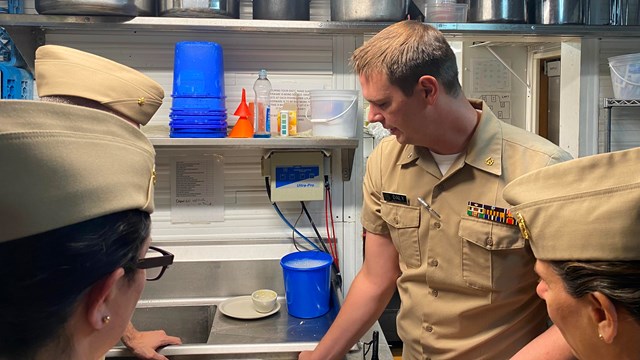
Employment Opportunities
Find out about current USPHS Officer Positions in DOI!
Last updated: November 30, 2023