National Park Service LogoU.S. Department of the InteriorNational Park ServiceNational Park Service
National Park Service:  U.S. Department of the InteriorNational Park Service Arrowhead
Pipestone National MonumentPrickly Pear Cactus
view map
text size:largestlargernormal
printer friendly
Pipestone National Monument
History & Culture

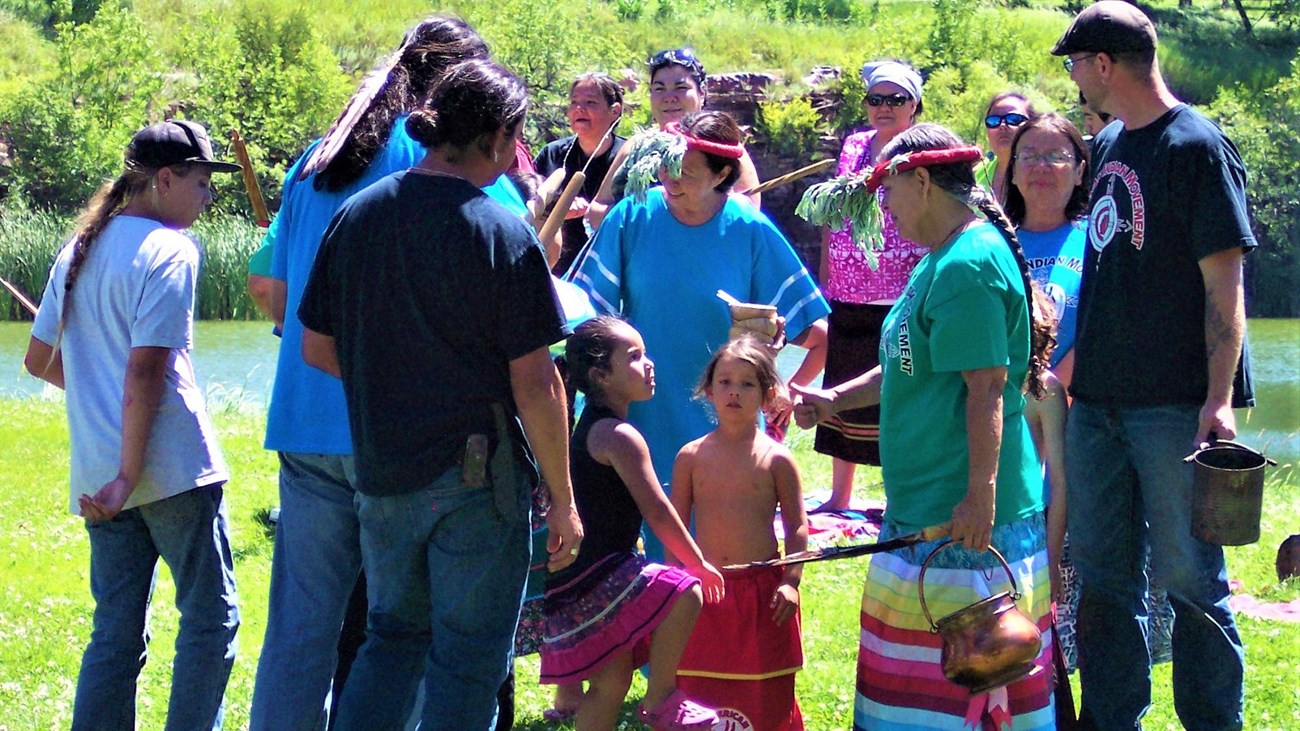
The pipestone quarries are a significant site for many American Indian cultures.  Even today, the site is still considered a sacred place by many who come to quarry or visit.  Today, as in the past, it is a place treated with reverence and respect.

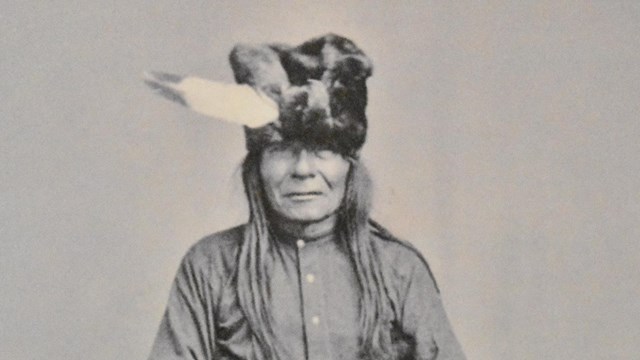
People - Learn more about the historic use of the quarries, pipemaking, and why the site came to be protected as Pipestone National Monument.

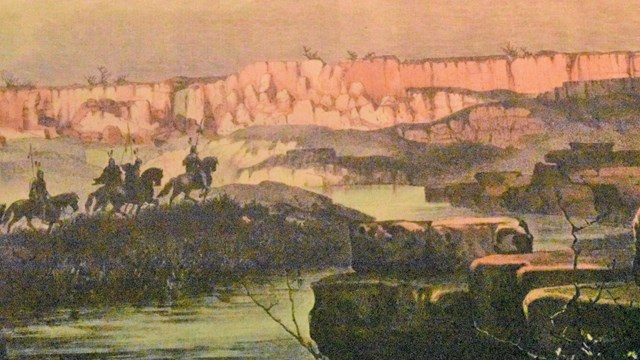
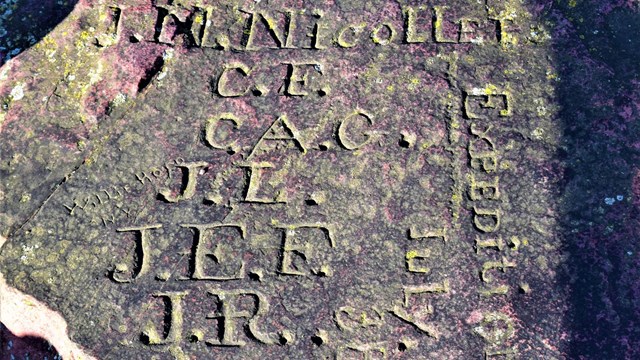
Places - The past meets the present at Pipestone National Monument. The quarry sites are not just relics of the past but are part of the continuing traditions of quarrying and pipemaking. Other historically interesting points may also be found within the monument.

Stories - The importance of the pipestone quarries is expressed through storytelling. Across the Great Plains, the stories of the pipestone vary widely from one tribe to another, an indication of the geographical extent to which the red stone and pipes were used and traded.

Collections - Pipestone National Monument has large collections of cultural and natural history items.

 
Pipestone National Monument was established in 1937. You can read the full history of Pipestone National Monument online in Managing the Sacred and the Secular: An Administrative History of Pipestone National Monument.  Another useful text is the History of Pipestone National Monument, published in 1965.
Quarry pit showing the quartzite wall and quartzite rubble pile  

Did You Know?
Pipestone National Monument was the first National Park Service area in Minnesota designated by Congress and signed into existence by President Franklin Delano Roosevelt on August 25, 1937.

Last Updated: September 17, 2009 at 17:02 EST