National Park Service LogoU.S. Department of the InteriorNational Park ServiceNational Park Service
National Park Service:  U.S. Department of the InteriorNational Park Service Arrowhead
Olympic National Park Backpackers in the high Olympics
view map
text size: largest larger normal
printer friendly
Olympic National Park
Obstruction Point to Deer Park


Notices:

  • Once snow melts, there is no water along this trail.
  • Camping is only allowed at Roaring Winds Camp. Reservations required.
  • Ice axes recommended for traversing slope at the top of the Badger Valley Way Trail when snow covered.
  • Bear canisters required for food storage at Roaring Winds due to lack of trees for hanging food.
 

Description

Ecosystem Type: Alpine meadow subalpine forest
Trail Tread Types: Maintained
General Elevation Trend: moderate
Unique Features: Highest trail in the park
Level of Difficulty: moderate
Distance: 7.4 miles 
Elevation Change: 6100 ft. to 5400 ft.
Best Season: Early July through October
Stock: Open to stock - trailers not recommended on the Deer Park or Obstruction Point Roads 


Camping

Permits/Reservations: Camping is limited between May 1 and September 30. Obtain permits at the WIC in Port Angeles during business hours. 
Food Storage Method: Bear canisters are required.
Location and sites: Roaring Winds Camp only
Toilet Facilities:  No toilets. In Bury waste 6-8" and 200 ft from water sources and campsites. Please pack out toilet paper. 
Water Source: None
Stock: Camping with stock prohibited on this trail.


Special Concerns

Leave No Trace: Leave No Trace of your stay to protect vegetation and prevent further camping regulations. Camp in designated site only.
Campfires: No campfires along this trail. To protect sensitive vegetation, campfires are not allowed above 3,500 feet.
Respect Wildlife: To protect bears and other wildlife, all food, garbage and scented items must be secured from all wildlife 24 hours a day. Bear canisters required in this area.


Safety

  • In early season several steep snow slopes exist along this trail.
  • An ice ax may be required for much of the spring and early summer.
  • It may also be difficult to follow sections of trail due to snow.
  • Map and compass skills may also be required during much of the spring and early summer.
 
 
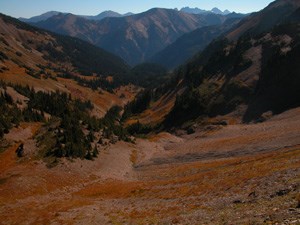
View of Badger Valley from Elk Mountain
 
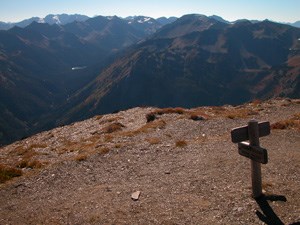
Grand Valley from Elk Mountain

You are exiting the National Park Service website

Thank you for visiting our site.

You will now be redirected to:

We hope your visit was informative and enjoyable.

dam with water flowing

Did You Know?
Removal of two dams on the Elwha River is the second largest ecosystem restoration project in the National Park System.

Last Updated: May 19, 2008 at 14:38 MST