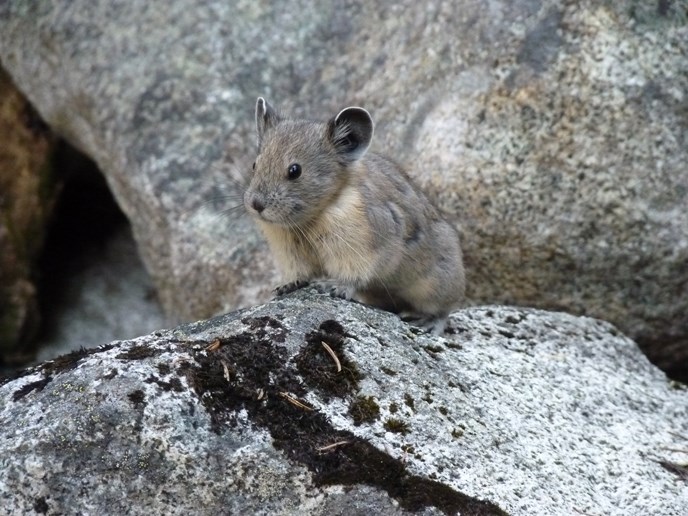
In the wild, the ability to hear is so important for survival that no deaf vertebrate species are known to exist. In addition to producing sounds for communication, animals continuously detect sounds, even when they are asleep. Losing the ability to hear those sounds because of inappropriate or excessive noise can have serious consequences. It may mean missing the footfall of a predator or failure to adequately compare songs from potential mates. Appropriate soundscapes are important for animal communication, territory establishment, courtship and mating, nurturing young, and effective use of habitat. Scientific studies have shown that wildlife can be adversely affected by high levels of noise. Although the severity of the impacts varies depending on the species being studied and other conditions, research has found that wildlife can suffer adverse physiological and behavioral changes from noise and other human disturbances.
For example:
- Noise has been associated with suppression of the immune system and increased levels of stress-related hormones in animals.
- Studies have shown that songbirds living in noisy places have to sing louder than birds in quieter environments. Birds forced to sing at a higher volume have to expend increased levels of precious energy to attract a mate or warn of predators.
- Bighorn sheep are less efficient at foraging for food when they are exposed to aircraft noise, and mountain goats often flee from the sound of helicopters and airplanes.
- Research has demonstrated that noise can adversely affect reproductive success in caribou and communication in whales.
When these effects are combined with the other sources of stress experienced by wildlife such as winter weather, disease, insect harassment, and food shortages, noise can have important implications for the health and vitality of wildlife populations within a park. By protecting the integrity of park soundscapes, creatures big and small have a better chance of reproduction and survival in the wild.