Rivers, Trails and Conservation Assistance Program Title with the National Park Service arrowhead NPS.gov and arrowhead


Arkansas Segments


Sandra Washington
National Park Service
Midwest Regional Office
601 Riverside Drive
Omaha, Nebraska 68102
(402) 661-1848

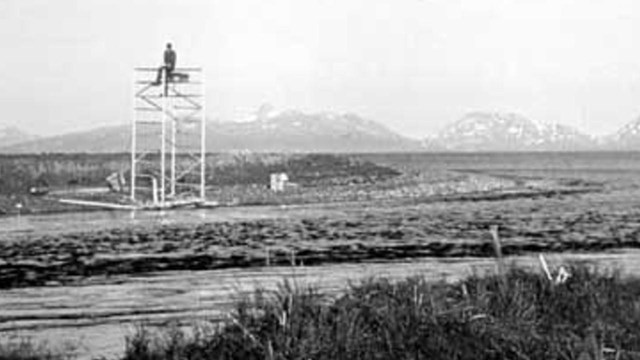
Photo of river in Alaska

River
County
Reach
Length (miles)
Year Listed/ Updated
Description
Other States
Bayou DeView Monroe, Woodruff From confluence with Cache River upstream to US 64 crossing near Morton
43
1982
  S, R, F, W, O River corridor is within the migration route of the Arctic Peregrine Falcon and within the range of the American Alligator, federally listed endangered species. It is a potential component of state rivers system. Bayou DeView drains 70 square miles of the Mississippi Alluvial Plain at a slight gradient. Average flow into this segment is 500-600 cfs, producing large amounts of wetlands (57% of the riparian strip). The water quality is Class B and an Arkansas Game and Fish Management Area is nearby. The Bayou flows into the Cache River which is under study as a National Wildlife Refuge under the Cache River Plan. The bottomland hardwood and wetlands provide significant habitat for fish and wildlife, particularly large bass and waterfowl. Cypress and Swamp Tupelo lend a quiet beauty to the Bayou, which is frequently canoed.  
Big Creek Cleburne, White, Independence From confluence with Little Red River near Pangburn upstream to headwaters near Drasco
37
1982
  S, R, G It is within the range of the Gray and Indiana Bats, and the migration route of the Eskimo Curlew, federally listed endangered species. It is a potential component of state rivers system and is characterized as a striking eastern Ozark Mountain stream. The state Natural Heritage Commission owns substantial holdings in the corridor and has recognized it as an outstanding natural area. It is an excellent resource for hiking and dispersed recreation uses, and provides excellent pan fishing.  
Buffalo River Marion, Searcy, Newton From confluence with White River upstream to headwaters
150
1982
  S, R, G, F, W, H Several potential National Natural Landmarks are in the vicinity, and it is within the range of Gray, Indiana and Ozark Bats, and the migration route of the Eskimo Curlew, federally listed endangered species. It flows through several districts of the Ozark National Forest, the Buffalo National River, and Lone Pine and Buffalo River Wildlife Management Areas. It is a potential component of the state rivers system and originates high in the Ozark Plateau. It flows beneath magnificent multicolored cliffs which in the upper reaches extend nearly 700 feet above the river's clear, quiet pools and rushing rapids. It flows through a land of mountains, past unique caves and waterfalls, old pioneer cabins, long abandoned homes of cliff dwellers and spectacular rock formations. Protecting its watershed are 700 species of trees, and flowering and other plants, furnishing habitat for 250 species of birds and a variety of animals and game. It is particularly famous for the smallmouth bass fishery. The river is nationally known as an exceptional recreation resource. Most road crossings are state designated and nationally renown. The Little Buffalo is a major tributary and provides additional recreation resources. Its attributes are similar to those of the Buffalo River.

SEGMENT FROM ITS ORIGIN TO THE OZARK NATIONAL FOREST BOUNDARY WAS ADDED AS A COMPONENT OF THE NATIONAL WILD AND SCENIC rivers SYSTEM ON 4/22/92.

 
Cadron Creek Conway, Van Buren, Faulkner, Cleburne From confluence with the Arkansas River near Gleason upstream to headwaters east of Pearson
59
1982
  S, R, G, F, W The river system is within the range of Indiana and Gray Bats and the migration route of the Eskimo Curlew, federally listed endangered species. 

Cadron Creek is one of the last freeflowing streams in central Arkansas. It has a 763 square mile watershed. There is a Natural Area on Cove Creek, near its confluence with the Cadron. The Cadron system supports a good fishery and provides excellent canoeing and other recreational opportunities for Little Rock and Conway residents. Scenery varies from densely wooded shorelines to rock bluffs, interspersed with agricultural areas, and flows through a canyon-type terrain. Cadron Creek Settlement Park is near its mouth.

 
Cadron Creek, East Fork Faulkner, White From the confluence with Cadron north of Gleason upstream to headwaters east of Rose Bud
52
1982
  S, R, G, F, W See Cadron Creek comments.  
Cadron Creek, North Fork Van Buren, Cleburne From the confluence with Cadron Creek east of Gravesville upstream to headwaters near Greers Ferry Reservoir
29
1982
  S, R, G, F, W See Cadron Creek comments.  
Champagnolle Creek Calhoun From headwaters near Thornton in northern Calhoun county to confluence with Ouachita River.
37
1995
R
W High quality cypress swamp community. Documented site of yellow-crowned night heron.  
Cossatot River Howard, Polk From the north end of Gillham Reservoir upstream to headwaters near Baker Mountain
26
1982
  S, R, G, F, W Partially within Ouachita National Forest, bordering part of the Caney Creek Wildlife Management Area. Within spring migration route of the Eskimo Curlew, a federally listed endangered species. Present are Red Cockaded Woodpecker, a federally listed endangered species, and the Leopard Darter, a federally listed threatened species. Potential component of state rivers system. Brushy Creek, Tributary, is included on state Registry of Natural Areas. Water quality is classified as AA, extraordinary recreation and aesthetic value. Flows through steep mountain gorges, cutting through upended layers of rock. Characterized by a footing of bedrock with jagged rock ridges jutting down the center of the river, a series of cascading falls, lengthy rapids and quiet pools. Heavily wooded canyons of mixed pine and hardwoods. Numerous falls and rapids. Cossatot Falls rated IV-V. Excellent whitewater floating probably the most challenging in the state. Good hiking, hunting, fishing (small mouth bass). Wildlife includes turkey, beaver, otter, deer, bear and an occasional Bald Eagle, a federally listed endangered species.

THE SEGMENT FROM ITS CONFLUENCE WITH MINE CREEK TO DUCHETT'S FORD WAS ADDED AS A COMPONENT OF THE NATIONAL WILD AND SCENIC rivers SYSTEM ON 4/22/92.

 
Current River Randolph, Clay From confluence with the Black River east of Pocahontas upstream to state line
36
1982
  R, F, W The Current River is within the range of the Gray and Indiana Bats, and within the migration routes of the Eskimo Curlew and Arctic Peregrine Falcon, federally listed endangered species. It is a potential component of the state rivers system. Water quality is rated as AA, extraordinary recreational and aesthetic value. The river can be floated year-round. The Current River in Missouri is under preservation status. The Arkansas segment flows through the mountainous Ozark Plateau (extreme upper reaches) and into the Mississippi Alluvial Plain (Delta). The changes that occur in stream character are important in providing diverse vegetation and fish and wildlife habitat. River character changes from a fast moving stream with numerous rapids to a pool and riffle situation, and then to shallows and pools. Sand and gravel bars are prevalent along most of the segment and wetlands and meander scars are numerous on the lower two-thirds. Accessibility was rated as moderate and the river was given a moderate intensity recreation designation (some intrusions which are harmonious with scenic and recreational qualities) in a state study.  
Dorcheat Bayou Nevada, Columbia, Lafayette From headwaters near Irma in Nevada County to the Arkansas state line in Columbia County
45
1995
R
W High quality undisturbed Cypress swamp. Only area in Arkansas where Laurel Oak is known to dominate. Great blue heron and great egret species are also present in the area.  
Eleven Point River Randolph From confluence with Spring River north of Black Rock upstream to state line
35
1982
  S, R, F, W, H It is within the range of the Indiana/Gray Bats and migration routes of the Arctic Peregrine Falcon and Eskimo Curlew, federally listed endangered species. The upper Eleven Point River in Missouri is a component of the national Wild and Scenic Rivers system. The lower segment in Arkansas is a potential component of the state system. The river meanders through a pastoral setting with tree-lined banks and woodlands in the corridor. 70% of its water comes from springs and the river has a constant and swift flow. Its clear pools are interspersed with rapids, providing excellent canoeing. The gravel bottoms provide spawning beds for smallmouth bass and the adjacent woodlands provide habitat for a variety of wildlife. Flowing past mighty springs, historic sites and magnificent scenery, the stream furnishes exceptional opportunities for the canoeist, fisherman, camper and nature lover.  
Illinois Bayou and North Fork Pope From headwaters of Dardanelle Reservoir north of Russellville upstream to headwaters near Pelsor
43
1982
  S, R, G, F, W The system provides habitat for the Gray and Indiana Bats and is within the migration route of the Eskimo Curlew, federally listed endangered species. Illinois Bayou and its forks are Class A waters draining 247 square miles of the Boston Mountains and the Arkansas Valley. The river corridor consists of mixed hardwood and pine forest, supporting abundant wildlife populations. The system provides good smallmouth bass fishing and is used extensively for paddling, hiking, hunting and fishing. Popular Ozark region river system, cutting through a rugged mountain area. North Fork is 99% within the Ozark National Forest and Recreation areas are nearby. The grade is 19 feet per mile. It provides excellent whitewater recreation and camping opportunities. The riparian buffer consists of 41% deciduous forest, 12% evergreens, 20% mixed forest, and the rest in agricultural uses. The East Fork is the most rugged of the forks. Its grade is 34 feet per mile and the setting is extremely primitive. 76% of the riparian strip is deciduous forest and the rest is mixed forest. The Middle Fork has a grade of 27 feet per mile and riparian land is deciduous forest and mixed forest.  
Illinois Bayou and North Fork Pope Head in Sec. 8, T.12 N., R.19 W. to mouth in Sec. 21, T.10 N., R.19 W.
23
1982/ 1993
S
S, O Highly varied and strongly dissected terrain with uneven, sharp ridges and/or cliffs with significant vertical relief, large unusual rock outcrops or formations. Upland swamp is important botanical resource.  
Illinois Bayou and North Fork Pope Confluence of East Fork and Middle Fork of Illinois Bayou near Bayou Bluff Campground to western boundary of Sec. 18, T.10 N., R.18 W.
2
1982/ 1993
R
R Heavy recreation use, with camping, swimming, canoeing, and fishing. One of major smallmouth bass rivers in AR.  
Illinois Bayou, East Fork Pope From confluence with Illinois Bayou at Retta upstream to headwaters east of Smyrna
15
1982
  S, R, G, F, W See Illinois Bayou comments.  
Illinois Bayou, East Fork Pope Forest Boundary to Millsaps Hollow
3
1982/ 1993
S
O Represents vestiges of primitive America through wilderness value. Upland swamps and waterfalls.  
Illinois Bayou, East Fork Pope Millsaps Hollow to Wilderness Area
1
1982/ 1993
S
O See initial comments  
Illinois Bayou, East Fork Pope Section inside East Fork Wilderness
6
1982/ 1993
W
O See initial comments  
Illinois Bayou, East Fork Pope Wilderness Boundary to mouth
5
1982/ 1993
S
O See initial comments  
Illinois Bayou, Middle Fork Pope From confluence with Illinois Bayou at Retta upstream to headwaters near Witts Springs
29
1982
  S, R, G, F, W See Illinois Bayou comments.  
Illinois Bayou, Middle Fork Pope, Searcy Forest Boundary to Reeves Creek
6
1982/ 1993
S
S Highly varied and strongly dissected terrain with uneven, sharp ridges and/or cliffs with significant vertical relief, large unusual rock outcrops or formations.  
Illinois Bayou, Middle Fork Pope, Searcy Reeves Creek to Penhook Hollow
12
1982/ 1993
S
S See initial comments  
Illinois Bayou, Middle Fork Pope, Searcy Penhook Hollow to mouth
3
1982/ 1993
R
S See initial comments  
Kings River Carroll, Madison From Table Rock Lake upstream to headwaters near Boston
90
1982
  S, R, G, F, W Sweden Creek Natural Area, a potential National Natural Landmark, is in the vicinity of the upper reaches. It is within the habitat of the Gray, Indiana and Ozark Bats, federally listed endangered species. Also within the migration route of the Eskimo Curlew, a federally listed endangered species. Upper reaches are within Ozark National Forest. Potential component of state rivers system. Water quality classified AA, extraordinary recreation and aesthetic value. Cuts through rock strata of the high Ozark Plateau, a beautiful Ozark region stream. Scenic canyons, bluffs and waterfalls occur along the river. Upper reaches provide excellent whitewater while lower reaches have sufficient water for year-round floating. Famed as a smallmouth bass stream, and for its quiet pools and swift rapids. The wooded slopes and valleys furnish exceptional range for large and small game, with many species of unique plants and animals. Pink azaleas, wild roses and dogwood blooms appear in spring. It is the only major free-flowing stream running into the White River in this area. Ideally suited for family recreation. Average gradient is 16 feet per mile. Kings River Falls is managed by the Arkansas Natural Heritage Commission.  
L'Anguille River Lee, Cross, St. Francis From confluence with the St. Francis Floodway near Marianna upstream to the Poinsett-Cross county line
71
1982
  S, R, F, W The river is within the migration route of the Arctic Peregrine Falcon and the range of the American Alligator, federally listed endangered species. It is a potential component of state rivers system. The L'Anguillle drains 938 square miles of the St. Francis River basin. It is a Class B water quality stream. Typical of this region, it possesses the characteristics of a delta stream. Streams of this type are rapidly disappearing due to draining and channelization of such wetlands and streams. In this area of heavy farming, the L'Anguille River represents a vastly reduced aquatic type in the state. There are significant wetlands areas with the riparian border of the river. Vast expanses of bottomland hardwoods provide excellent habitat for deer and migrating waterfowl.  
Lee Creek Crawford, Washington From the OK/AR state line SE of Short, OK upstream to headwaters SE of Moffet, AR
49
1982
  S, R, F, W See Lee Creek, OK comments.
OK
Little Buffalo River and East Fork Newton From confluence with the Buffalo River upstream to headwaters near Deer
27
1982
  S, R, G, W Attributes very similar to those of the Buffalo River.  
Little Buffalo River, East Fork Newton Headwaters to Forest Boundary
7
1982/ 1993
S
S Highly varied and strongly dissected terrain with uneven, sharp ridges and/or cliffs with significant vertical relief, large unusual rock outcrops or formations. Cascades, rapids, and still pools.  
Little Missouri River Pike, Montgomery, Polk From upper Lake Greeson upstream to headwaters south of Big Fork
29
1982
  S, R, G, F, W Upper reaches are within Ouachita National Forest. Winding Stair and Little Missouri Falls, potential National Natural Landmarks, occur in river corridor. Within habitat of Red-Cockaded Woodpecker, a federally listed endangered species. Potential component of state rivers system. Water quality is classified AA, extraordinary recreational and aesthetic values. Ouachita Mountains stream, particularly scenic in upper reaches with high mountain canyons. Provides good fishing and hunting. Gradient is 35 feet per mile, creating exceptional whitewater rafting opportunities, with some spots ranked V-VI. Albert Pike, a Forest Service recreation area, provides access. The river is nestled in the Caddo Mountains and crosses 50 significant faults, some overturned. The endemic Caddo Mountain Salamander is found in the area. The corridor consists of 83.2% deciduous forest, 8.3% evergreens, and 8.3% pasture. Access points occur every 5-6 miles.

THE SEGMENT FROM ITS ORIGIN TO THE WEST SECTION LINE OF SECTION 22, T.4S., R.27W. AND THE SEGMENT FROM THE SOUTHERN PROPERTY LINE BETWEEN NATIONAL FOREST SYSTEM LANDS TO THE NORTH LINE OF NW 1/4 OF SW 1/4 OF SECTION 5, T.5S., R.27W. WERE ADDED AS COMPONEnts OF THE NATIONAL WILD AND SCENIC rivers SYSTEM ON 4/22/92.

 
Little Red River (lower) Cleburne From Ramsey Public Access area near Pangburn upstream to Greers Ferry Dam
30
1982
  S, R, F The lower Little Red River is within the range of the Gray and Indiana Bats and the migration route of the Eskimo Curlew, federally listed endangered species. Water quality is rated A, primary contact recreation. The river below Greers Ferry Lake flows through the deep foothills of the eastern Ozark Mountains and provides spectacular year-round scenery. A federal trout hatchery exists near the river and several access points are provided by the Arkansas Game and Fish Commission. The ice cold water from the depths of the Lake make this stretch of the Little Red River one of the state's premier Rainbow Trout streams and provides good chain pickerel fishing as well. Floating opportunities are good and sometimes challenging. Guided float trips, boat rentals, cabins and campsites are available for recreation use.  
Little Red River, Middle Fork Cleburne, Van Buren, Stone, Searcy From upper Greers Ferry Reservoir upstream to headwaters near Chimes
77
1982
  S, R, G, F, W The Gray and Indiana Bats, federally listed endangered species, inhabit the area, and it is within the migration route of the Eskimo Curlew, also endangered. Potential component of state rivers system. Water quality is classified as A, primary contact recreation. River corridor is scenic, with striking canyons and rock outcrops, spires and geologic shapes. Provides excellent fishing, floating and kayaking opportunities. An Ozark region stream.  
Lower Arkansas River Desha and Arkansas From the confluence with the Mississippi River between navigation river mile 582-583 upstream to Dam #2 (partially surveyed section 20,T8S,R2W)
41
1995
S
S, G, W Scenic-Old-growth pecan forests, big river sandbars, cottonwood forests-sand bars (point bars). Geologic- Actively formed by natural riverine processes. Wildlife- Interior least tern, bald eagles, Florida panther, large population of black bear. One of the largest segments of major rivers remaining free-flowing in entire Mississippi River basin (recently cut new access channel into Mississippi River).  
North Fork Sylamore Creek and Cole Creek Branch Stone, Baxter From confluence with White River near Sylamore upstream to headwaters near Push Mountain Lookout
58
1982
  S, R, G, F, W, H, C Within the range of the Gray, Indiana and Ozark Bats, federally listed endangered species. Four potential National Landmarks occur in the area. It is a potential component of state rivers system. It is a pristine Class A water quality stream lying almost entirely within National Forest boundaries. There are three recreation areas available, Blanchard Springs Caverns, hiking trails registered by the Arkansas Trails Council, a natural area on the Arkansas Natural Area Register, and many other recreational opportunities. Over 90% of the riparian buffer is in deciduous forest. The Nature Conservancy Staff Botanist states that the area near Barkshed Recreation Area is "...one of the most significant botanical areas in the state." Nearby is the Ozark Fold Center, which helps preserve the culture of the region.

THE SEGMENT FROM THE CLIFTY CANYON BOTANICAL AREA TO ITS CONFLUENCE WITH THE WHITE RIVER WAS ADDED AS A COMPONENT OF THE NATIONAL WILD AND SCENIC rivers SYSTEM ON 4/22/92.

 
North Sylamore and Cole Creek Branch Baxter, Stone (Cole Creek Branch) Headwaters in Sec. 35, T.17 N., R.13 W. to confluence with North Sylamore Creek in Sec. 4, T.16 N., R.12 W.
6
1982/ 1993
W
S, W, O Highly varied and strongly dissected terrain with uneven, sharp ridges and/or cliffs with significant vertical relief, large unusual rock outcrops or formations. Endangered species of bats. Located within Clifty Canyon Botanical Area.  
Ouachita River Montgomery, Polk From upper Lake Ouachita upstream to headwaters near Acorn
70
1982
  S, R, G, F, W Partially within Ouachita National Forest. Within migration route of Eskimo Curlew, a federally listed endangered specie. Potential component of state rivers system. Water quality classified as A, primary contact recreation. Ouachita Mountain region stream. In upper reaches, channel is narrow with a series of rapids interspersed with quiet pools. In the lower reaches, the channel is wider with deeper pools. Towering rock bluffs are draped with wild flowers, trees and flowering shrubs providing good year-round scenery. Fishing and floating opportunities are good all year. The Ouachita Trail crosses and parallels the river in places and Forest Service camps and landings provide recreation opportunities. Deer, squirrel and beaver inhabit the corridor. Fishery resources include smallmouth and largemouth bass, catfish and spring runs of white bass. Gradient is 12 feet per mile, and access is available every 2 miles. The river's west-to-east movement through the Ouachita Mountains creates an identity unlike that of a typical mountain stream.  
Piney Creek (AKA Big Piney Creek) Pope, Johnson, Newton From upper Dardanelle Reservoir upstream to headwaters near Fallsville
51
1982
  S, R, G, F, W Upper reaches are within Ozark National Forest. Within the habitat of the Gray, Indiana and Ozark Bats, federally listed endangered species. Also, within migration route of Eskimo Curlew, also endangered. Potential component of state rivers system. Water quality classified as AA, extraordinary recreation and aesthetic value. Remote Ozark Mountain stream flowing through mixed hardwood and pine forest. Forms deep canyon, narrow valleys, and clear pools broken by small Class II-III rapids. Redbud, azalea and dogwood blooms drape picturesque bluffs in spring. Area abounds with deer, turkey, squirrel and black bear. Used extensively for canoeing, hiking, hunting and fishing (smallmouth/bigmouth bass). Gravel bars and willowgrown flats provide camping areas. Riparian zone consists of 71% deciduous forest, 20% agricultural land, 4% evergreens and 5% wetlands. There is one access every 3.25 miles. Identified as "...one of the most picturesque and challenging of the remaining streams in the Ozarks", Piney Creek offers outdoor fishery and whitewater recreation of a truly unique quality.

THE SEGMENT FROM ITS ORIGIN IN SECTION 27, T.13N., R.23W. TO THE OZARK NATIONAL FOREST BOUNDARY WAS ADDED AS A COMPONENT OF THE NATIONAL WILD AND SCENIC rivers SYSTEM ON 4/22/92.

 
Richland Creek and Falling Water Creeks Searcy, Pope, Newton From confluence with Buffalo River upstream to headwaters near Pelsor, including its tributary, Falling Water Creek
37
1982
  S, R, G, F, W Almost entirely within the Ozark National Forest. Provides habitat for Gray, Indiana and Ozark Bats, federally listed endangered species. Falling Water Creek and Falls is a potential National Natural Landmark. Water quality is classified as A, primary contact recreation. Has long been noted as a scenic area and is recognized as such by the Forest Service. Because of its scenic quality and the characteristic Ozark terrain, vegetation and wildlife, the area is one of the most striking in the state. The rugged terrain limits recreation use to backpacking/hiking, and there is one campsite. Kayaking is possible but challenging during high water. The upper section is spectacular, with waterfalls and rock outcrops. Contains the "most beautiful gorge in the state."

THE SEGMENT FROM ITS ORIGIN TO THE NORTHERN BOUNDARY OF SECTION 32, T.14N., R.18W. WAS ADDED AS A COMPONENT OF THE NATIONAL WILD AND SCENIC rivers SYSTEM ON 4/22/92.

 
Richland Creek and Falling Water Creeks Pope, Newton, Searcy (Falling Water Creek) Western boundary of Sec. 6, T.12 N., R.18 W. to southern boundary of Richland Creek Wilderness
3
1982/ 1993
R
S, G Highly varied and strongly dissected terrain with uneven, sharp ridges and/or cliffs with significant vertical relief, large unusual rock outcrops or formations. Distinctive waterfall, rapids, and still pools.  
Richland Creek and Falling Water Creeks Pope, Newton, Searcy (Falling Water Creek) Section through Richland Creek Wilderness
4
1982/ 1993
S
S, G See initial comments  
Saline River Ashley, Bradley, Drew, Cleveland, Grant, Dallas, Saline From confluence with Ouachita River near the Felsenthal National Wildlife Refuge upstream to confluence with Alum and North Forks
179
1982
  S, R, F, W, H The system is within the migration route of the Eskimo Curlew, the habitat of the Red-Cockaded Woodpecker, and the range of the American Alligator, federally listed endangered species. The Saline is the longest free-flowing stream in the state. This Class A water quality stream boasts an excellent fishery. The Ouachita Madtom is known only from the watersheds of 4 tributaries. Jenkins Ferry State Park is located on the river. This river has one of the highest fish diversities in this part of the country. The Saline is a unique river beginning in the Ouachita Mountains where it is a fine mountain stream with smallmouth bass, gravel bars and relatively easy whitewater. As the river approaches the Gulf Coastal Plain, it takes on the character of a lowland stream with silt and sand banks slowly replacing the gravel bars. Excellent representations of Ouachita Mountain terrain and vegetation are found in the central portions, being replaced by pine, tupelo and cypress on the lower reaches. The system provides quality recreation opportunities for the major population centers of central Arkansas.  
Saline River, Alum Fork Saline From confluence with North Fork upstream to Lake Winona
44
1982
  S, R, G, F, W See Saline River comments.  
Saline River, Middle Fork Saline, Garland From confluence with Alum Fork upstream to headwaters near Hamilton
51
1982
  S, R, G, F, W See Saline River comments.  
Saline River, North Fork Saline From confluence with Alum Fork upstream to headwaters near Pulaski County line
35
1982
  S, R, G, F, W See Saline River comments.  
Saline River, South Fork Saline, Garland From confluence with Alum Fork upstream to headwaters near Fountain Lake (Hot Springs area)
26
1982
  S, R, F, W See Saline River comments.  
Second Creek Cross and St. Francis From confluence with the L'Anguille River by Forrest City, upstream to the Cross/Woodruff County line.
16
1995
R
O Rare occurrences for a delta region include stunted (due to saline soil) post oak and blackjack oak woodlands which are 100-200 years old. Also rare is an oak-hickory forest in the middle of delta farm land. The southern rein-orchid is also present. One of the few remaining "least disturbed" streams in Arkansas delta.  
Spring River and Warm Fork Randolph, Sharp, Fulton (Oregon and Howell in MO) From confluence with Black River near Black Rock upstream to headwaters near West Plains, MO
81
1982
  S, R, G, F, W The river system is within the range of the Gray, Indiana, and Ozark Bats and within the migration routes of the Arctic Peregrine Falcon and Eskimo Curlew, federally listed endangered species. Mammoth Springs National Natural Landmark is in the vicinity. Water quality is rated AA, extraordinary recreational and aesthetic value. Spring River flows past Spring River Wildlife Management Area and Mammoth Spring State Park. The river is fed from Mammoth Spring and affords excellent trout fishing. It is an unusual river with small rapids but made exciting by small waterfalls throughout its length, formed as the river cuts across rock strata rather than following it. The river is available for canoeing throughout the year because Mammoth Spring eliminates the river's dependence upon rainfall. The South Fork of the Spring River is an Ozark Mountain stream with excellent fishing and boating potential. The scenery is beautiful and river character, fish populations, and river meandering processes are strikingly different from the Spring River. Both rivers are near population centers and contribute to the diversity of ecosystems and recreation opportunities in north central Arkansas and southern Missouri.
MO
Spring River, South Fork Sharp, Fulton (Howell in MO) From confluence with Spring River near Hardy upstream to headwaters south of South Fork, MO
75
1982
  S, R, G, F, W See Spring River comments.
MO
Strawberry River Lawrence, Sharp, Izard From confluence with the Black River upstream to headwaters near Byron
109
1982
  S, R, G, F It is within the range of the Gray and Indiana Bats, and the migration route of the Arctic Peregrine Falcon and Eskimo Curlew, federally listed endangered species. The Strawberry River drains 2,051 square miles of the Salem Plateau province of the Ozarks. The geology of this area results in "stairsteps" which create falls when grouped together. It has Class AA water quality to Cooper Creek and Class A water quality to the Black River. It descends at a rate of 14 feet per mile, and supports a smallmouth bass fishery above Cooper Creek and a warmwater fishery below. The upper reaches afford fine canoeing opportunities. It is an excellent example of the transition from mountain terrain to delta land. A State Wildlife Management Area exists near the confluence with Black River. The riparian buffer consists of 33.8% agricultural uses, 24% mixed forest, 3.6% deciduous forest and .2% barren. The Strawberry River is a popular recreation stream for residents of the northeast portion of the state.  
War Eagle Creek Madison From Beaver Reservoir near Best upstream to headwaters near Boston
65
1982
  S, R, G, F, W, H It is within the range of the Gray, Indiana and Ozark Bats, federally listed endangered species and is a potential component of the state rivers system. The Creek provides many recreation opportunities including canoeing, fishing and swimming. It flows through a mixture of hardwood oak-hickory forests and pastoral settings. Along its course are: Withrow Springs State Park which is the access point for many float trips; and the Hobbs Estate land which is an 11,644 acre tract recently purchased by the State and in line for future recreational development. Arkansas Natural and Cultural Heritage has selected an area adjacent to the river as a natural area. Near that area is a privately owned grist mill that is in operation and open to the general public, and represents a cultural and historical view of the past. The main stream consists of a series of deep pools followed by fast flowing gravel bottomed shoals. An abundance of floodplain vegetation lines the banks. Wildlife of varied sorts is readily found along the river. A cave near the river provides habitat for endangered bat species. Limestone bluffs carved by the river's flow reveal the geologic history of the Ozark region.  
White River (upper) Madison, Washington From Lake Sequoyah east of Fayetteville upstream to headwaters near Boston
48
1982
  R, F, W The upper White River is within the range of the Gray, Indiana and Ozark Bats, federally listed endangered species. Water quality is rated A, primary contact recreation. The river forms a series of long, quiet pools and short, hairpin turns. It is commonly shaded by overhanging trees. The height of the banks varies from a few feet to 30+ feet bluffs. The corridor alternates between pastureland and dense forests of birch, hickory, oak, sweet gum and elm. Many varieties of ferns and flowers exist on the banks providing good year-round scenery. The river corridor supports diverse fish and wildlife populations and numerous gravel bars are available for picnicking and camping.