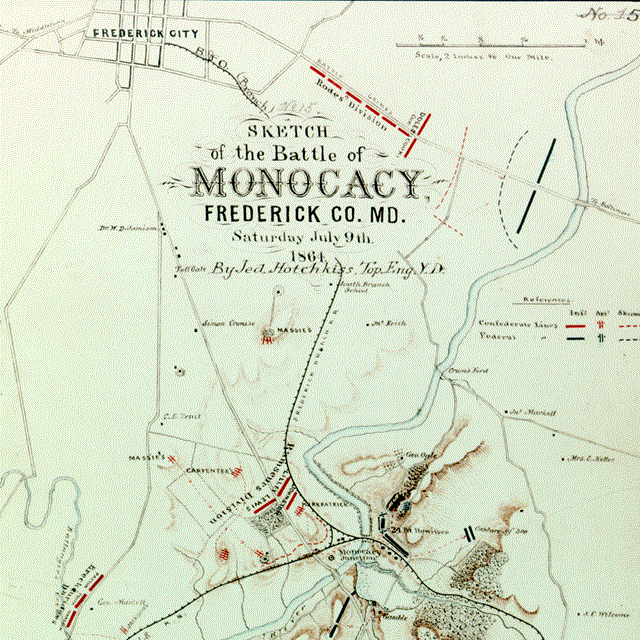
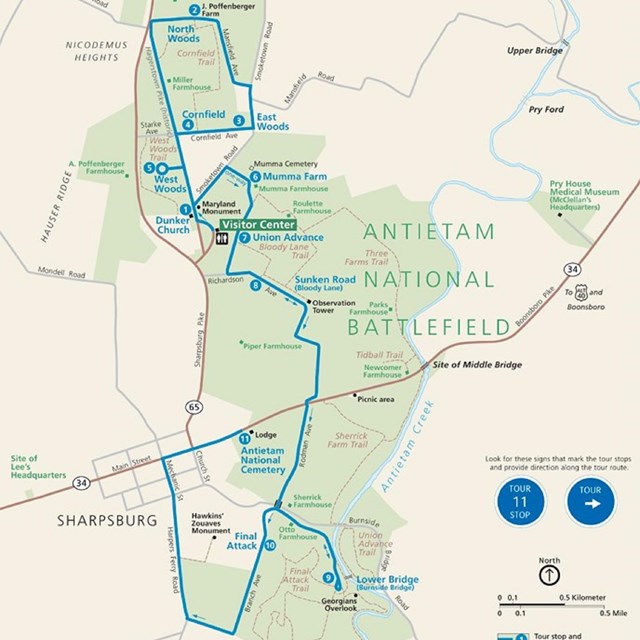
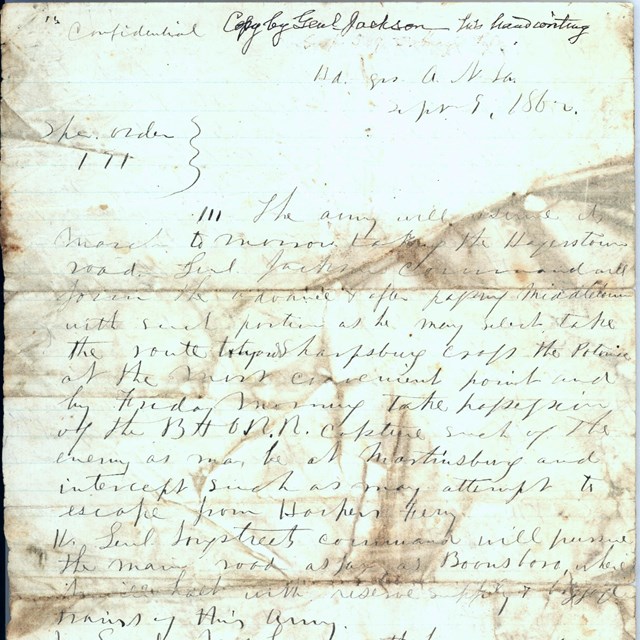
Although comparatively small in terms of the numbers of troops and casualties involved, the Battle of Monocacy was strategically important. more...
James Marshall and the Development of the Monocacy Properties
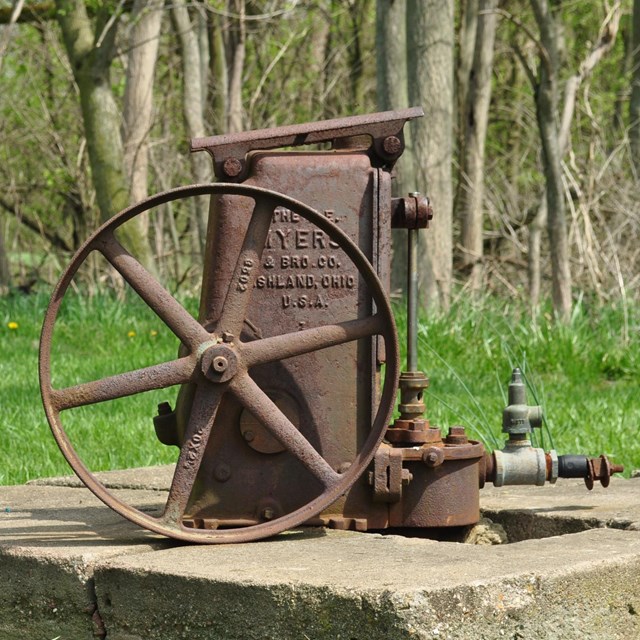
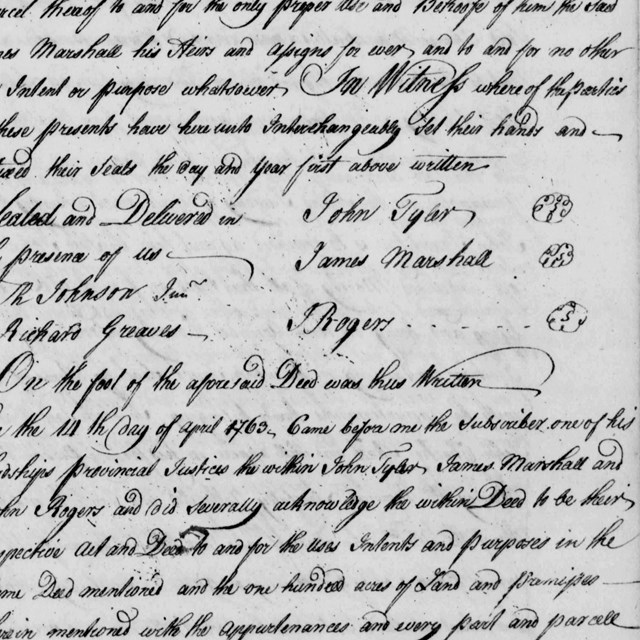
Beginning in 1759, a wealthy Scottish merchant named James Marshall began acquiring large amounts of land on both sides of the Monocacy River. Around 1780, he constructed a large brick manor house, and by the close of the eighteenth century, James Marshall owned nearly all of the land that comprises Monocacy National Battlefield. more...
L'Hermitage: A French-Caribbean Plantation in Maryland
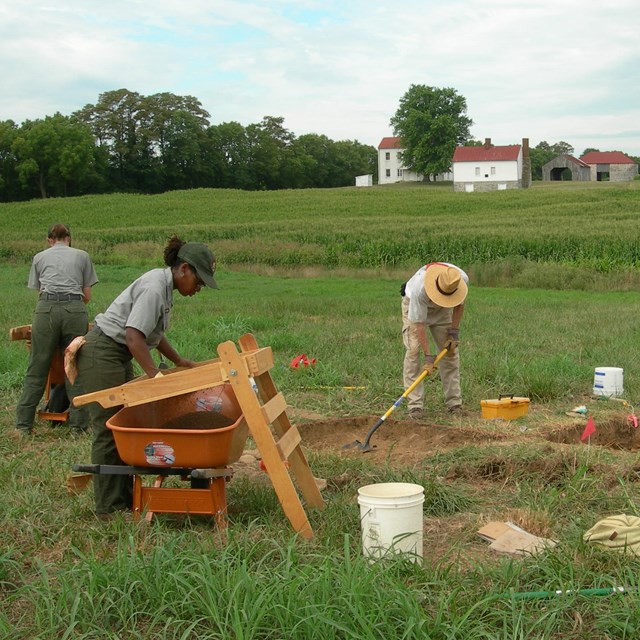
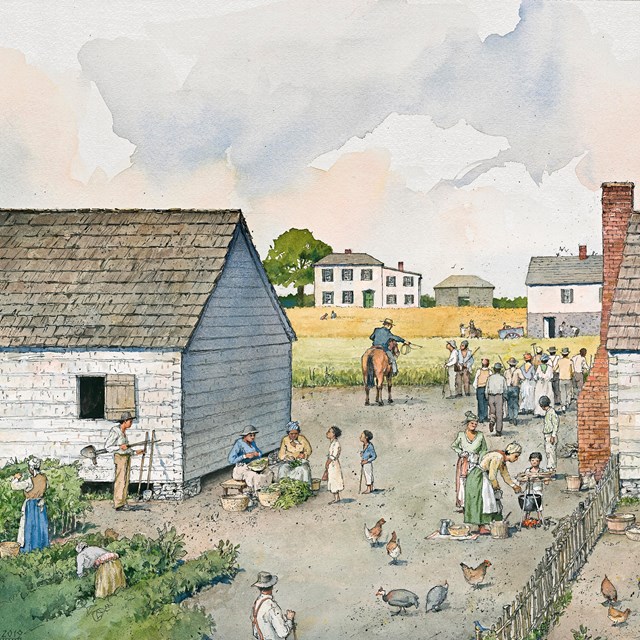
The property currently known as the Best Farm comprises the southern 274 acres of what was once a plantation known as L'Hermitage. L'Hermitage was home to the Vincendières, a family of French planters from the colony of Saint-Domingue, as well as 90 enslaved African Americans. more...
A Soldier's Story: Private George M. Douse
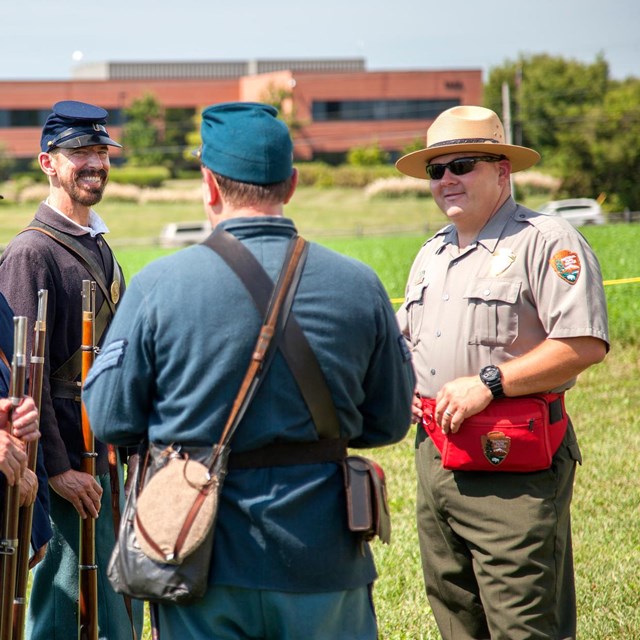
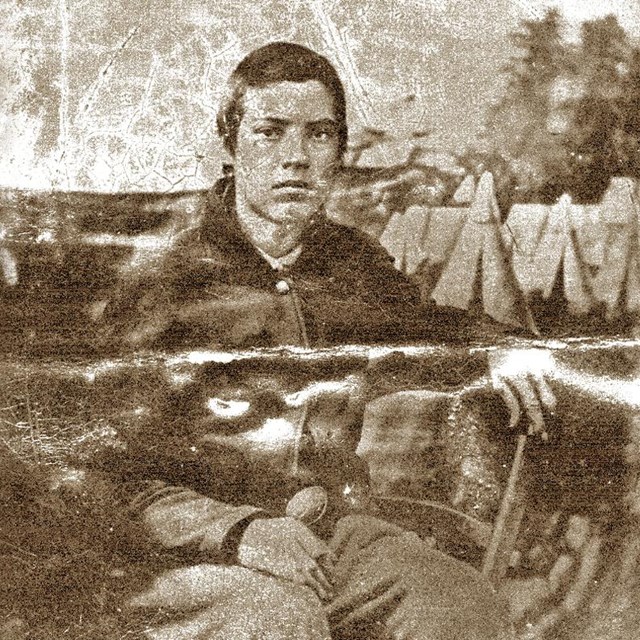
Private George M. Douse fought in and was wounded at the Battle of Monocacy. As a member of the 10th Vermont Regiment, he was one of the skirmishers who held the approach to the bridges over the Monocacy River. Learn more about his story and his correspondence with another Monocacy veteran. more...
Did You Know?
Monocacy National Battlefield was created by an act of Congress in 1934, but did not open to the public until 1991.
more...