




NPS/M. Burchett Mojave National Preserve has 2 known amphibians. Along with the Red-spotted toad (Anaxyrus punctatus), the Baja California treefrog (Pseudacris hypochondriaca) occurs here only at Soda Springs and in the Zzyzx area. 
NPS/N. Darby Red-spotted toad(Anaxyrus punctatus) Primarily nocturnal, these toads will lay low during daylight and hide under objects. In arid regions like Mojave they tend to stay close to water, preferring to chill poolside. 
NPS/M. Burchett Baja California treefrogThe Baja California treefrog is native to the Mojave River system. At Mojave National Preserve, it is found only in and around the large pond at the Desert Studies Center at Zzyzx and was probably introduced following the construction of the ponds. 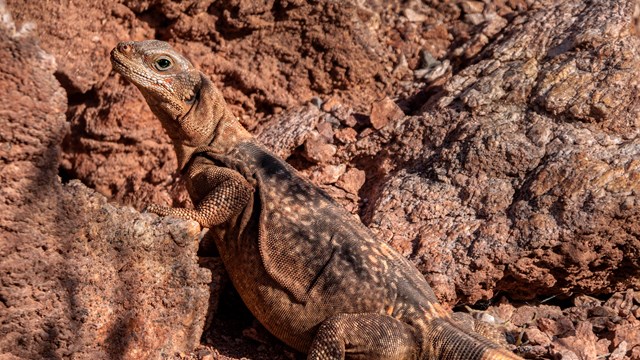
Reptiles
Mojave National Preserve has 36 documented reptile species. Reptiles are cold-blooded. Jury's out on if they're warm hearted. 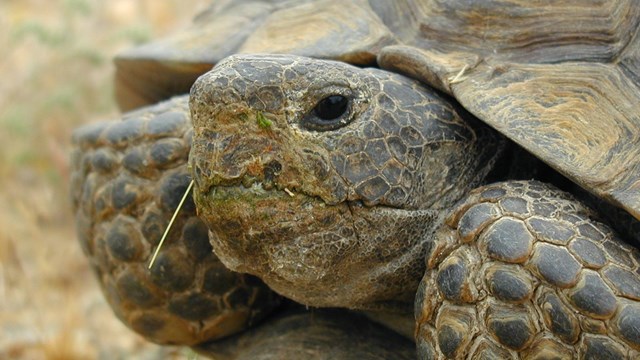
The Iconic Desert Tortoise
It's tort time! Keep an eye out, slow your roll and learn more about how you can help protect this threatened species. |
 |
|
Last updated: May 10, 2022