



|
Next: Immigrant Communities
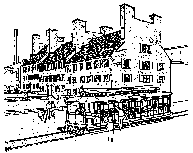
National Park Service Typically 30 to 40 young women lived together in a boardinghouse. The first floor usually contained kitchen, dining room, and the keeper's quarters. Upstairs bedrooms accommodated four to eight women, commonly sleeping two in a double bed. In these close quarters, experienced workers helped new hands adapt to their situation. The boardinghouses began to fade from prominence as Lowell aged, profits fell, and the workforce changed. At first, Lowell firms rarely accommodated immigrants in the boardinghouses. After the Civil War, increasing numbers of immigrants found themselves "on the corporation," as the native-born left the mills. By the turn of the century, however, immigrants were less interested in company housing, and boardinghouse keepers had to take in non-mill workers or offer board alone to make ends meet. The corporations sold off the boardinghouses, most of which were subdivided into tenement apartments for immigrant families or converted to other uses and eventually demolished.
Next: Immigrant Communities
|
Last updated: February 26, 2015