



Last updated: May 6, 2025
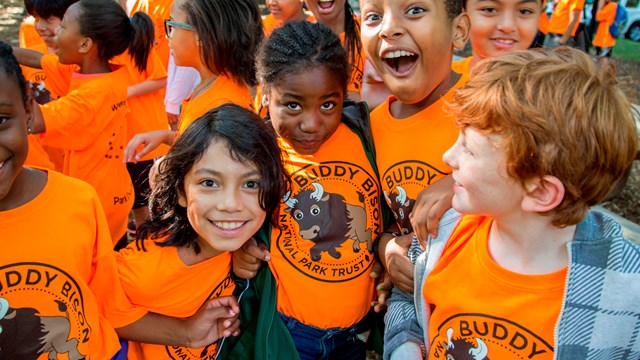
Every Kid Outdoors
To help reach our next generation of park visitors and supporters, NPS wants all 4th grade students to visit their public lands & waters!
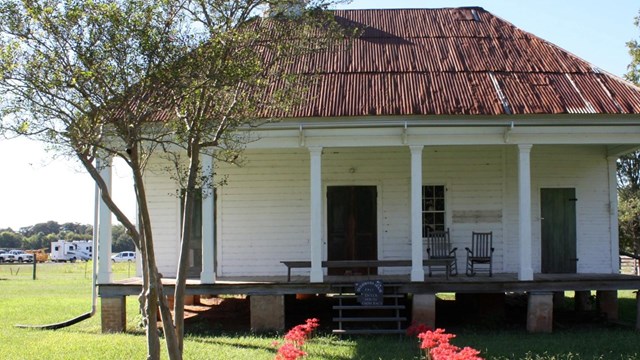
Teaching with Historic Places
Place-based lesson plans that teach history through images, maps, readings and other primary source documents.
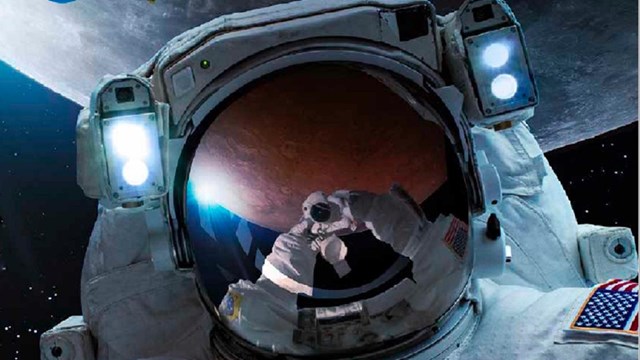
Spaceflight Explorer Junior Ranger
NASA/NPS Spaceflight Explorer Junior Ranger booklet
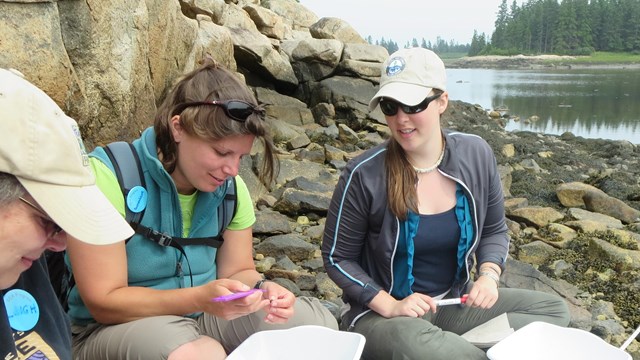
Professional Development
Find out about the Teacher-Ranger-Teacher summer program, teacher workshops, and more
More Education Materials
-
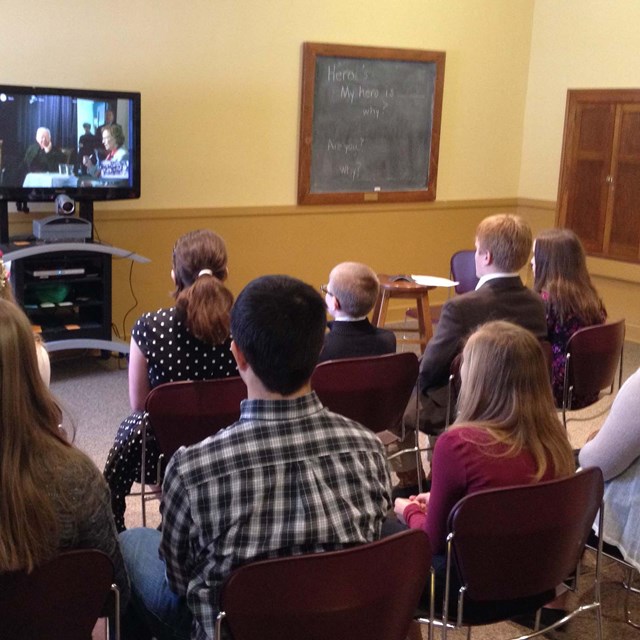 Distance Learning
Take your students on a "virtual field trip" where they can talk with a ranger or go behind the scenes at a park…
-
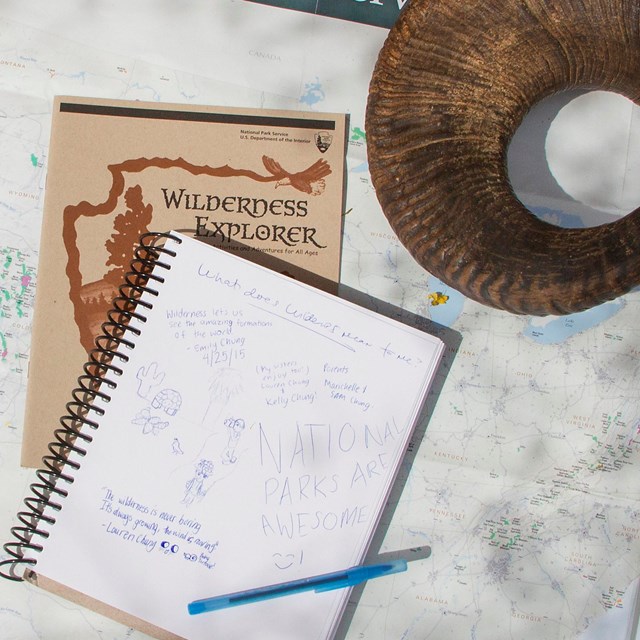 Materials For Loan
Want to borrow some educational materials from a park? Check out a traveling trunk or other media for loan
-
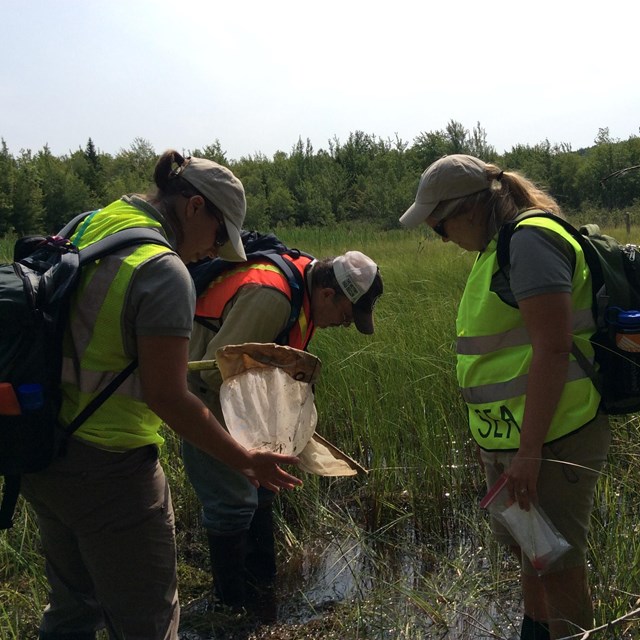 Field Experiences
Find information about Field Trips and Field Schools here.
-
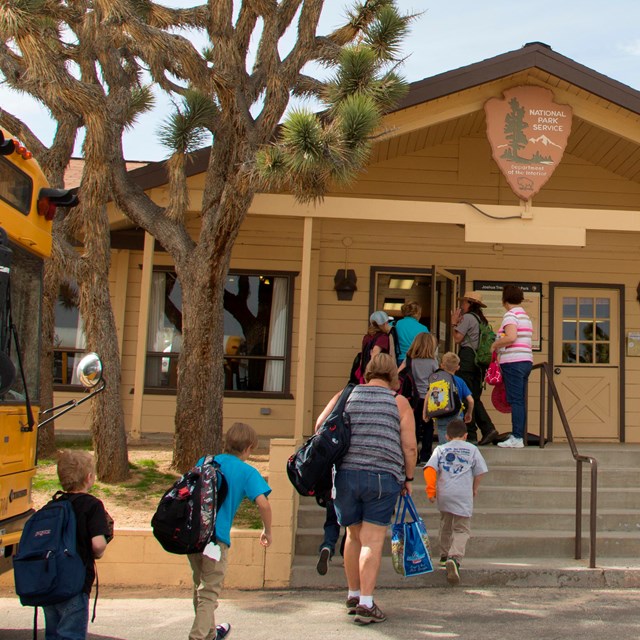 Classroom Materials
Includes: Primary Sources, science labs, and other in-class activities.
-
 Other Education Materials
Check out a range of other NPS educational materials here.
-
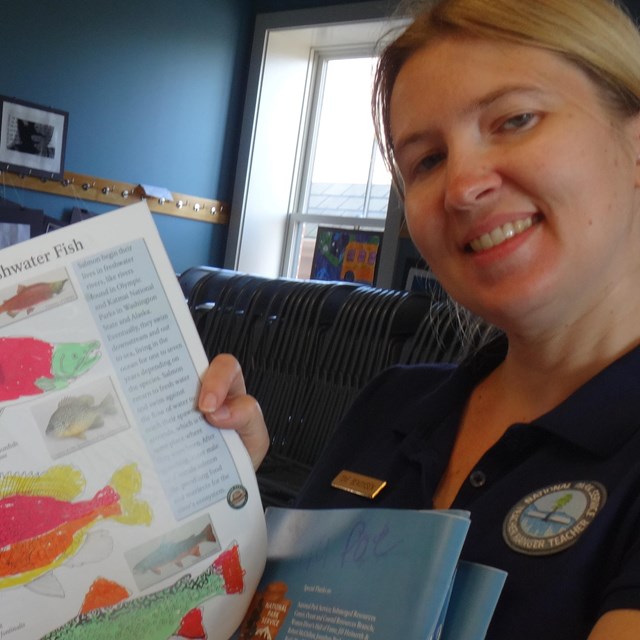
 Teacher Ranger Teacher Program
Teachers! Join NPS in the summer to experience nature and history firsthand and earn graduate credit for your re-certification.