
Explore the Animals of Lake RooseveltWildlife is never far away when visiting visit Lake Roosevelt. From the fish leaping in the waves, the cries of red-tailed hawks echoing through the trees, yellow-bellied marmots whistling as they spy a bald eagle searching for lunch, turkeys gobbling and displaying in the roadway, to deer watching from the pine shadows. The lives of all these animals are interconnected and they relate to and shape the environment where they live. 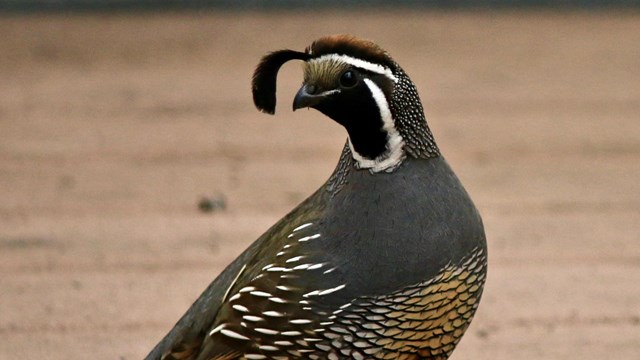
Birds
From eagles to geese, finches to woodpeckers; Lake Roosevelt is bursting with bird diversity. 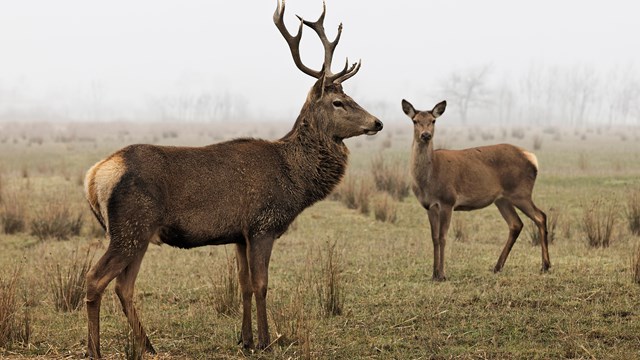
Mammals
Ungulates, carnivores, and rodents are just a few of the many types of mammals at Lake Roosevelt. 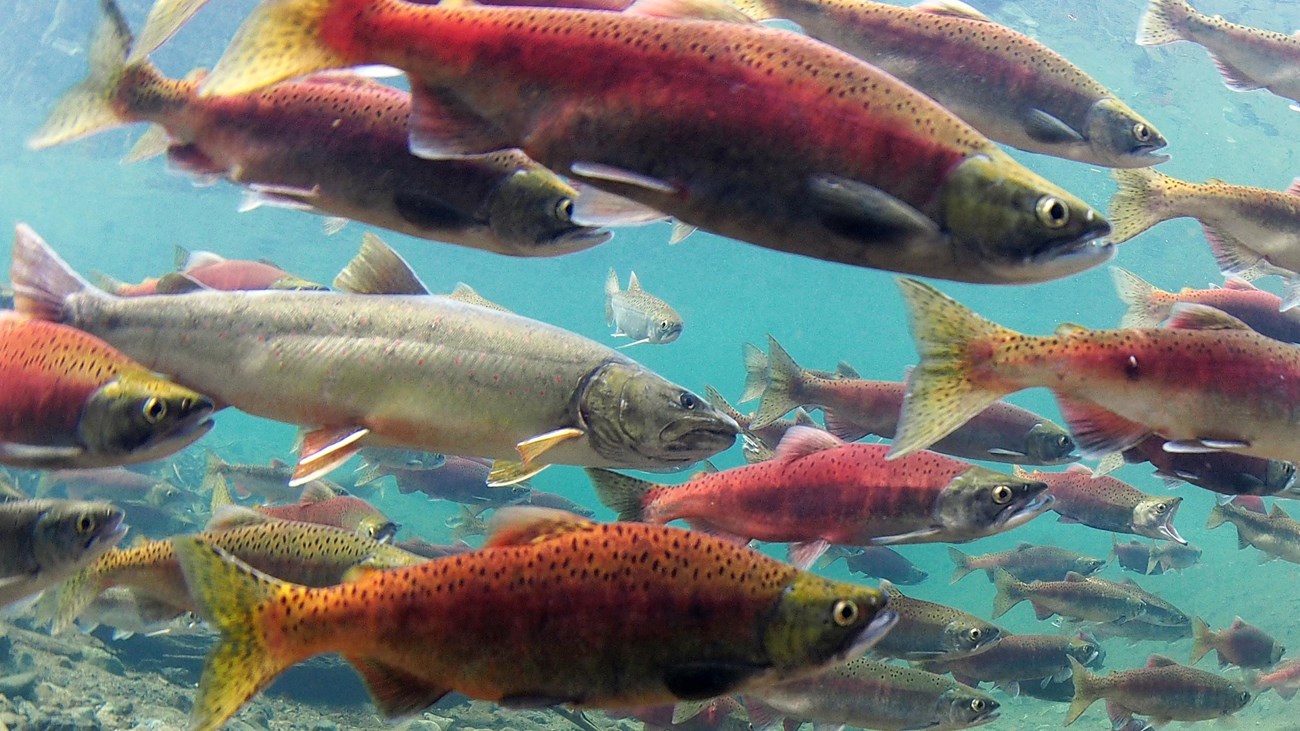
Fish
Half the park is underwater. Native, non-native, and invasive fish of many kinds can be found swimming in the lake. 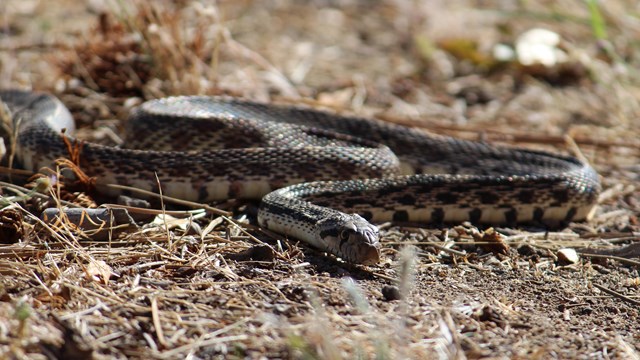
Reptiles
The lake is home to snakes, lizards, and even skinks, slithering around in the brush on the water's edge. 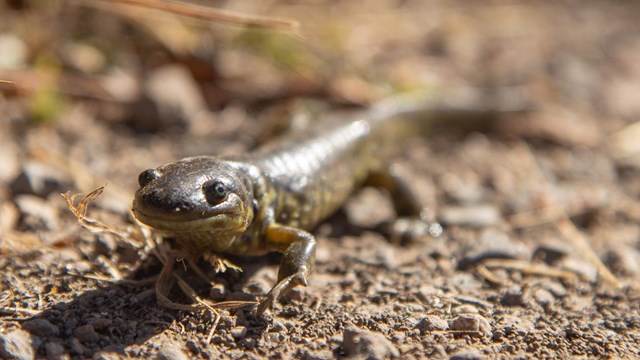
Amphibians
These water and land dwelling animals can be found in and around the lake. Watching Wildlife SafelyWildlife sightings can be exciting and memorable experiences, but it is important to keep both people and animals safe during any potential encounter. Keep as much distance as possible between yourself and the animal; the larger the animal, the more distance you must maintain. Even if they appear calm and non-threatening, animals can react very quickly and cause damage. Respect wildlife for an enjoyable and safe visit to the park. 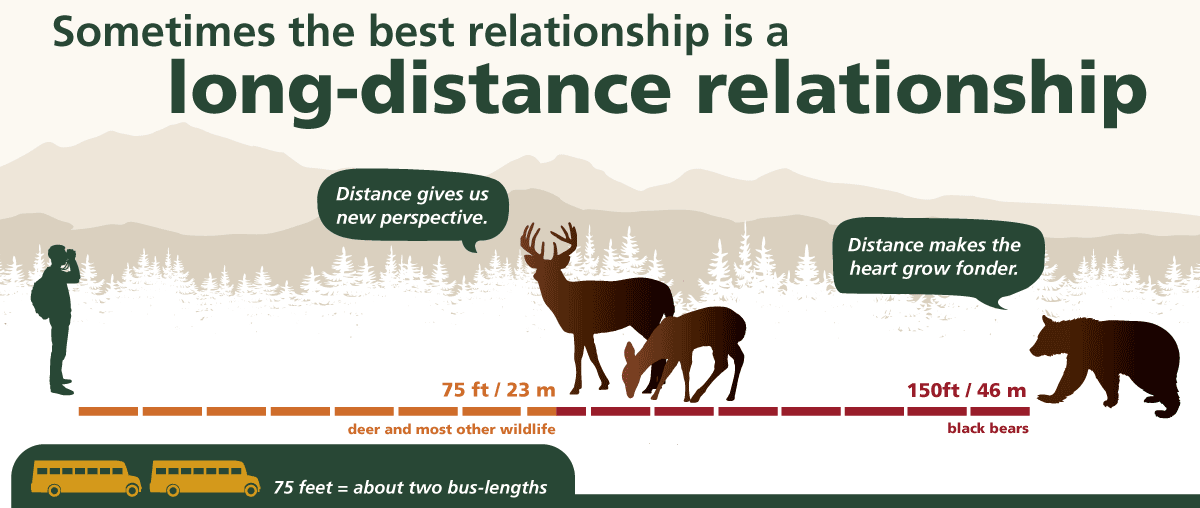
NPS graphic Species ListWant a list of most of the species found at Lake Roosevelt National Recreation Area? Select a species category below and download a list of all the wildlife found at the lake before you visit the park. Note that the lists are not comprehensive, but updates are added when possible. |
Select a Park:Select a Species Category (optional):
Search results will be displayed here.
|
 |
Last updated: February 7, 2023