• The calm, inviting waters of the Spokane Arm. Photo Credit: NPS\LARO\John Salisbury

    Lake Roosevelt

    National Recreation Area Washington

There are park alerts in effect.
show Alerts »
  • China Bend Closure

    The China Bend Climbing Area is closed until July 15 to protect nesting raptors. More »

For Teachers

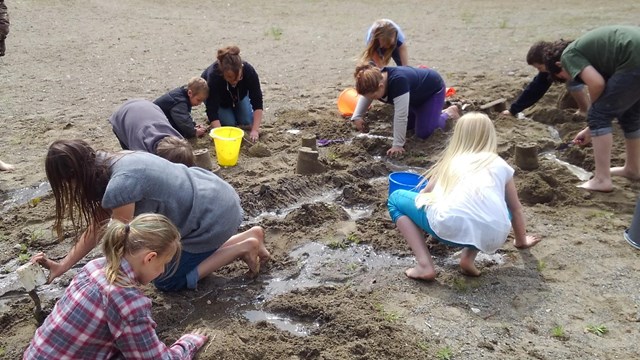
Welcome to Lake Roosevelt National Recreation Area's Parks as Classrooms educational opportunities. The recreation area protects some outstanding natural and cultural features. With such diverse resources, Lake Roosevelt has a lot to offer educators. Parks As Classrooms programs can be timed to introduce concepts, reinforce understanding, or stimulate culminating projects within a teaching unit. All programs are designed to help teachers meet Washington State Grade Level Expectations (GLEs) and the Essential Academic Learning Requirements (EALRs).

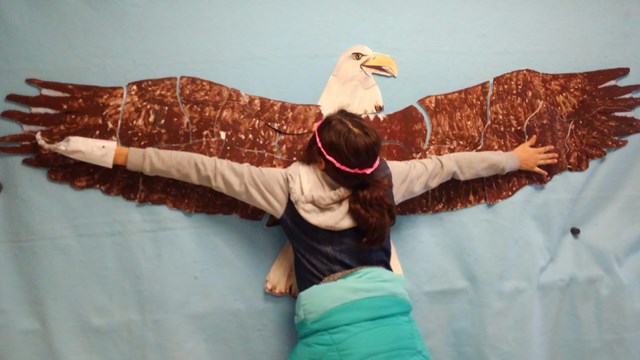
In-park programs feature authentic learning that actively engages students and teachers with the park. Ranger-conducted classroom programs bring curriculum-based education experiences to your school. Enhance your students' understanding of the national parks, the environment, and local history with hard to find props and materials by borrowing a traveling trunk! All programs and materials are aligned with state and national education standards.
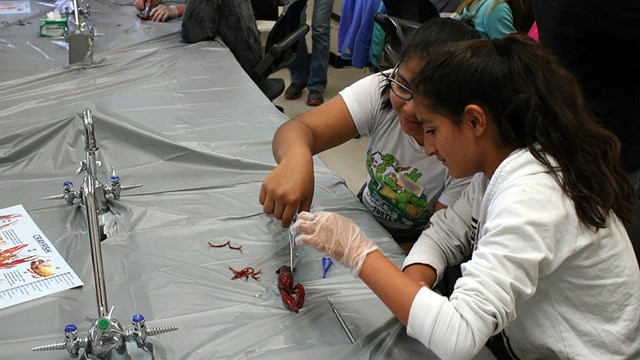
There is no charge for education programs, but reservations are required and may be made up to nine months in advance. Reservations are accepted on a first-come, first-served basis, so don't delay in reserving a program.

Programs are generally available September through mid-June depending upon staff availability. Some programs are only available seasonally due to the type of program and weather conditions.

Let our programs become a beneficial and enjoyable part of your students' studies!

Did You Know?

Wild hyacinth is also known as the douglas brodaia

The pretty violet flowers of this wild hyacinth grows at Lake Roosevelt. An important food source, its small but sweet onion bulb is still popular. Covered by a fibrous netting called a corm net, excavated and carbon dated corm nets established that people lived at Kettle Falls 9,500 years ago.