
|
Quinn Evans Architects
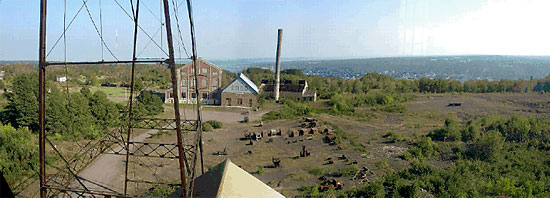
Contact: Tom Baker, Management Assistant, (906) 337-1104 ext131 Contact: Steve DeLong, Landscape Architect, (906) 337-1104 ext 122 , Landscape Architect(Calumet, MI) Keweenaw National Historical Park (NHP) invites public review of a cultural landscape report and environmental assessment for the Quincy Unit. The report features historic research and documentation of the Quincy landscape; inventory and mapping of existing conditions; an analysis of landscape character and integrity, proposes landscape treatment alternatives, assesses environmental impacts of the landscape treatment alternatives and proposes a recommended landscape treatment alternative. The document may be reviewed on-line. Select Keweenaw National Historical Park from the drop down menu and clicking on the desired chapter. Reviewers may also view printed hard copies at the public libraries located in Houghton, Hancock and Calumet or at Park Headquarters. This report is the result of a collaborative effort by park staff and a consulting team from Quinn Evans Architects and Woolpert, LLC that involved working closely with stakeholders and public meetings. Public involvement is important to the success of this project and is welcomed during the review period which ends September 11, 2009. The project team welcomes discussion and comments from all interested parties. Please contact Keweenaw NHP Landscape Architect Steve DeLong, at (906) 337-1104, ext 122 if you wish to know more about the CLR/EA effort. |

Last updated: March 16, 2018