Who lives in the Katmai area today?
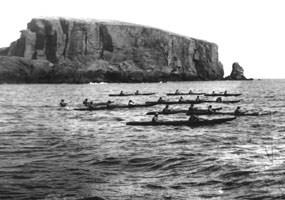
Residents of communities around the park and preserve have hunted, fished and gathered berries and other materials from the land for many generations. Before the 1912 Mt. Katmai/Novarupta eruption, there were four year-round villages and many other seasonally used camps in what is now Katmai National Park and Preserve. Due to the heavy ash fall of the 1912 eruption, the inhabitants of Savonoski, Kaguyak (Douglas), Kukak, and Katmai villages left and resettled elsewhere along the Alaska Peninsula.
People with historic ties to Katmai, mostly of Alutiiq descent, now live around southwest Alaska and beyond, especially in the villages of South Naknek, Naknek, King Salmon, Kokhanok, Igiugig, Levelock, Egegik, Chignik and Perryville. Many Katmai descendants are actively involved in subsistence activities, and participate in the park management process through Alaska Native corporate and non-profit organizations.
Who studies modern cultures in the park?
Cultural anthropologists in the Applied Anthropology program promote the identification, evaluation, documentation, and interpretation of ethnographic resources in the National Park System. Long term cultural associations to what are now park and preserve lands are recognized and honored through studies, reports, development of interpretive materials and more. Cultural Anthropologists provide leadership, coordination, and guidance for federal and other public programs consulting with park resource stakeholders.
Can people still practice traditional subsistence?
The Alaska National Interest Lands Conservation Act (ANILCA), which was the enabling legislation for the expanded Katmai National Park and Preserve, stipulates that all rural people may continue their subsistence practices on preserve lands. Subsistence Advisory Councils are made up of local residents to help advise the National Park Service subsistence staff in policy development and implementation. The National Park Service coordinates with other federal agencies and Regional Advisory Councils from all over the state in overall subsistence management.