Skip to SearchSkip to NavigationSkip to BodySkip to Footer
National Park Service LogoU.S. Department of the InteriorNational Park ServiceNational Park Service
National Park Service:  U.S. Department of the InteriorNational Park Service Arrowhead
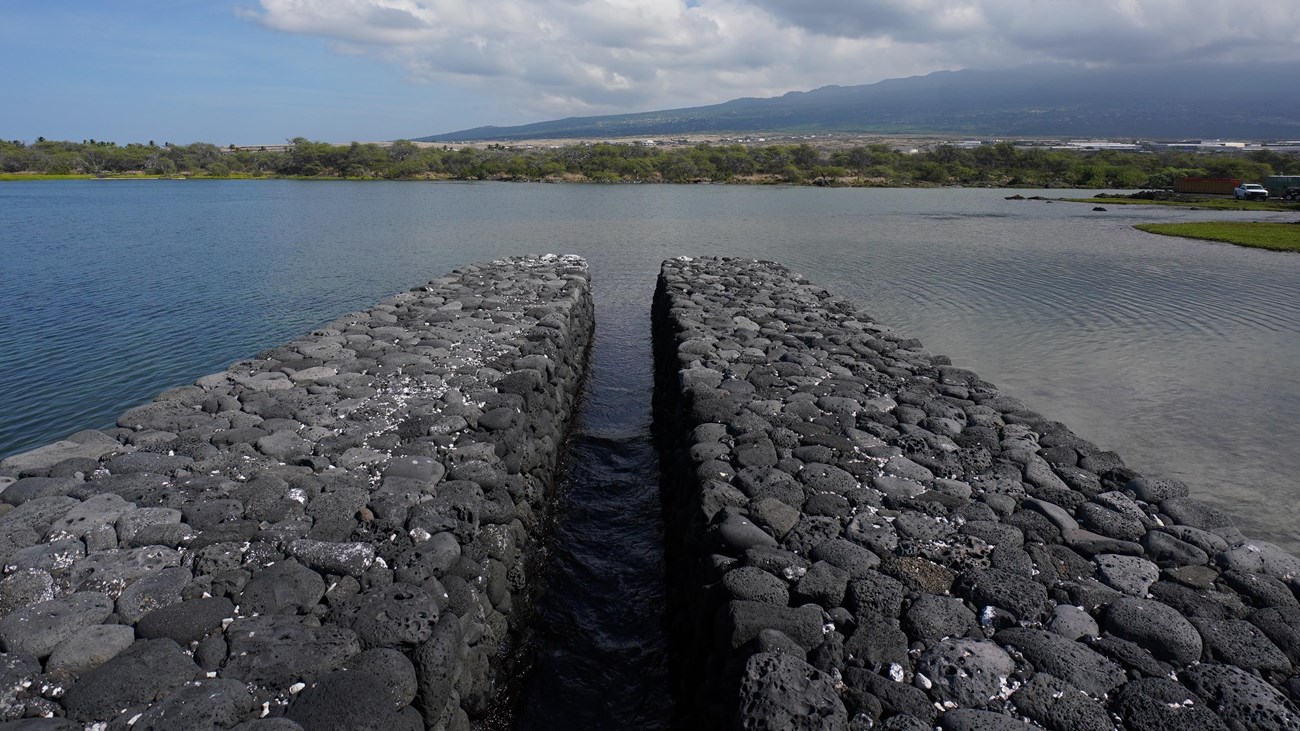
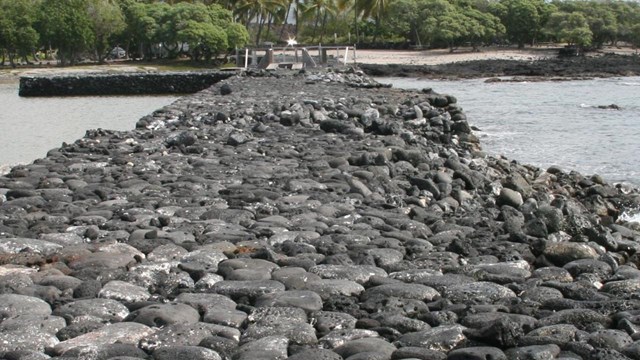
Kaloko-Honokohau National Historical Park Kaloko Fishpond Wall 2009
view map
text size: largest larger normal
printer friendly

The Spirit of Kaloko

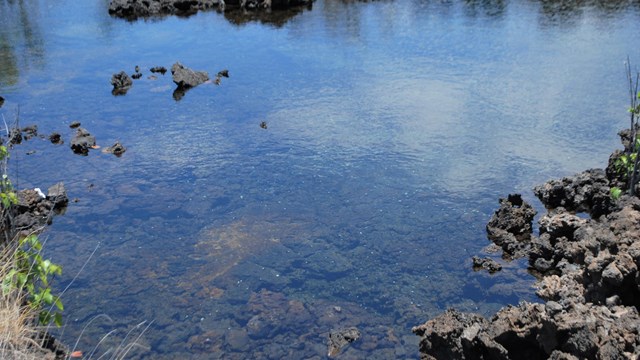
Extensive lava fields meet the sea along the Kona coastline on the Island of Hawai'i. This dry and barren region provided the vital sustenance for the people who once lived here, with abundant fishing and access to fresh water from brackish pools. A close relationship with nature created a strong connection with the wind, the sea and the landscape.


Kaloko Fishpond

Kaloko Fishpond is a loko kuapa (rockwall fishpond) constructed by interlocking large and small rocks across a natural embayment along the Kona coast.  This ingenious technology allowed the ancient Hawaiians to raise and harvest large amounts of fish to feed the population that existed in the area
more...
 

The Spirit of Kaloko-Honokohau

What is the spirit of Kaloko-Honokohau? Click here to discover more... about the parks founding document.


more...
 
undefined

Park Biota Checklist

Discover the different plants & animals found in the park...more
 

Green Sea Turtle (Honu)

The Hawaiian Green Sea Turtle (honu) frequents the shoreline of the park and often basks in the warm Hawaiian sun.
more...
 
many hands

Hawaiian cultural practice

Many Hands help make the work go quicker! See our Educational Program offerings....


Write to

Kaloko-Honokohau National Historical Park
73-4786 Kanalani St., #14
Kailua-Kona, Hawaii 96740

E-mail Us

Phone

Hale Ho'okipa Visitor Center
(808) 326-9057

Administrative Offices
(808) 329-6881

Fax

(808) 329-2597

Climate

Weather in the park is typically hot and sunny with daytime temperatures in the mid to upper 80's year round. The park receives about 20" of rain a year. Conditions vary depending on location.  The shoreline tends to be cooler with ocean breezes.  Interior sections of the park (on the lava fields) can be very hot and humid with no shade.
Skip to SearchSkip to NavigationSkip to BodySkip to Footer
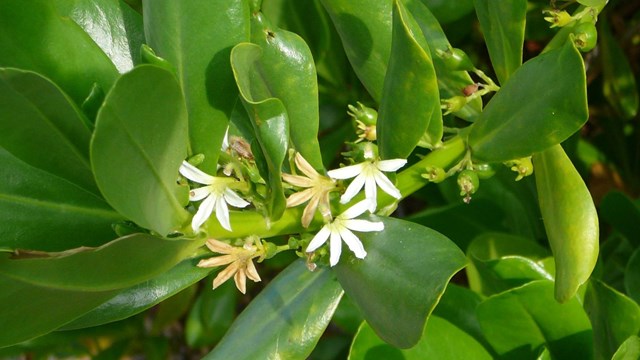
fruit on the noni tree

Did You Know?
Did you know, the noni tree was brought by the early Polynesians and was used as a medicinal tonic to treat digestive problems. Today, noni juice can be bought in many health food stores throughout the country.

Last Updated: September 22, 2011 at 19:20 MST

CANCEL

You are exiting the National Park Service website

Thank you for visiting our site.

You will now be redirected to:

We hope your visit was informative and enjoyable.