National Park Service LogoU.S. Department of the InteriorNational Park ServiceNational Park Service
National Park Service:  U.S. Department of the InteriorNational Park Service Arrowhead
Joshua Tree National ParkJumbo Rocks Campground
view map
text size:largestlargernormal
printer friendly
Joshua Tree National Park
History & Culture
 
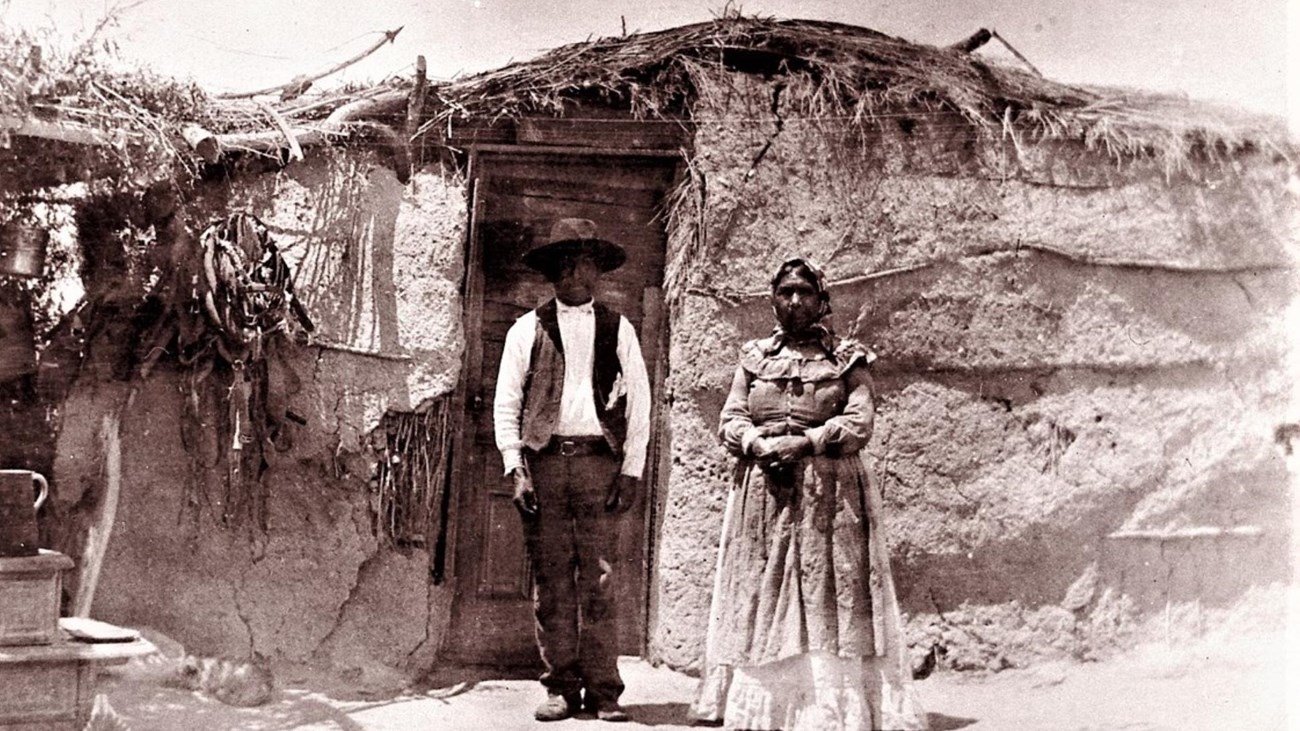
Humans have occupied the area encompassed by Joshua Tree National Park's nearly 800,000 acres for at least 5,000 years. The first group known to inhabit the area was the Pinto Culture, followed by the Serrano, the Chemehuevi, and the Cahuilla.

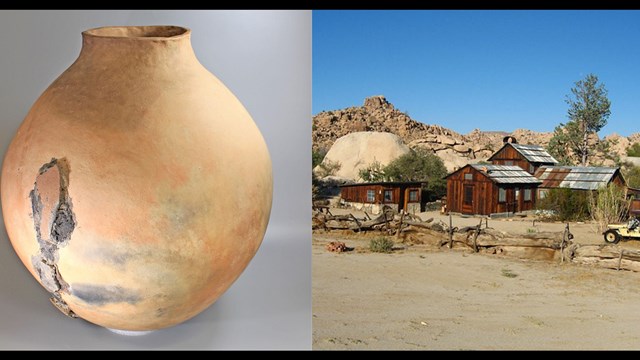
In the 1800s cattlemen drove their cows into the area for the ample grass available at the time and built water impoundments for them. Miners dug tunnels through the earth looking for gold and made tracks across the desert with their trucks. Homesteaders began filing claims in the 1900s. They built cabins, dug wells, and planted crops.

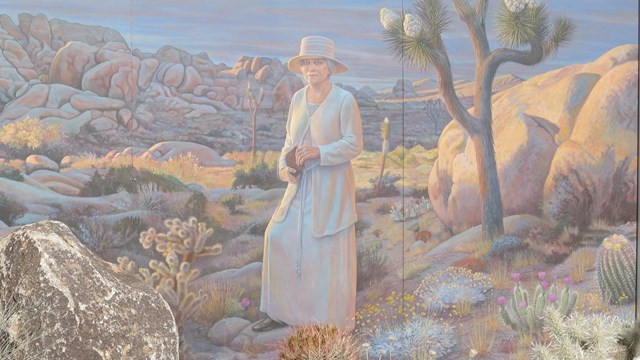
Each group left its mark upon the land and contributed to the rich cultural history of Joshua Tree National Park. The park protects 501 archeological sites, 88 historic structures, 19 cultural landscapes, and houses 123,253 items in its museum collection.

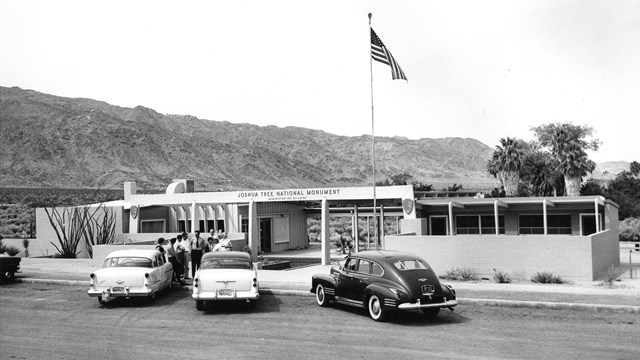
After the area became a national monument in 1936, local and regional residents were the primary park visitors. As Southern California grew so did park visitation; Joshua Tree now lies within a three-hour drive of more than 18 million people. Since Joshua Tree was elevated from national monument to national park status in 1994 however, greater numbers of visitors from around the nation and the world come to experience Joshua Tree National Park.

 
Joshua Tree National Park Symbol
Park History
Joshua Tree National Monument was created in 1936.
more...
Desert Tortoise  

Did You Know?
The reptiles of Joshua Tree National Park include one tortoise, 18 lizards, and 25 varieties of snakes.
more...

Last Updated: September 15, 2006 at 12:03 EST