




S. Butcher Collection Image The Homestead Act of 1862 has been called one of the most important pieces of Legislation in the history of the United States. The act was signed into law by Abraham Lincoln after the southern states seceded. 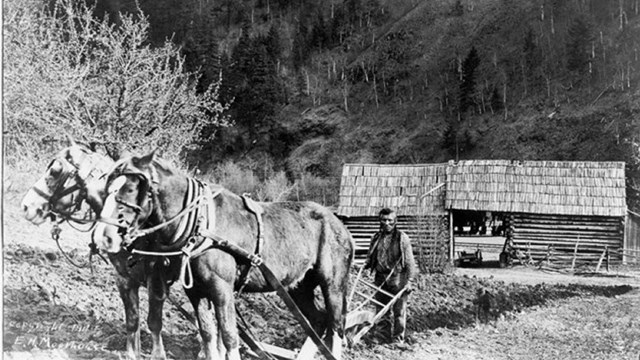
Native Americans and the Homestead Act
To settlers, immigrants, and homesteaders, the West was empty land. To American Indians, it was home. 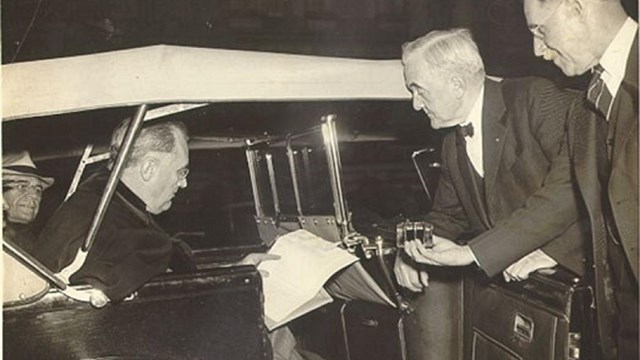
Creation of the Park
Learn the history about how Homestead National Historical Park came to be. 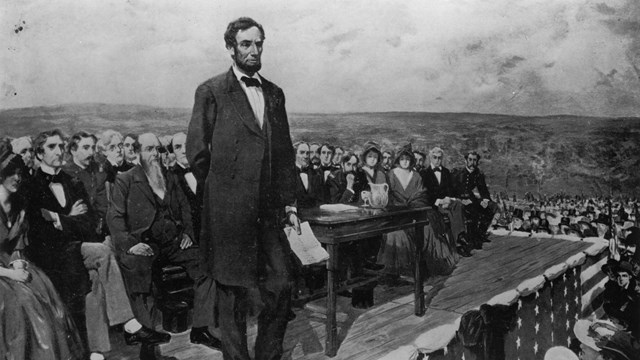
Presidential Quotes about Homesteading
Perspectives of U.S. Presidents about the Homestead Act 
Read the Homestead Act
Read the wording of the Homestead Act of 1862 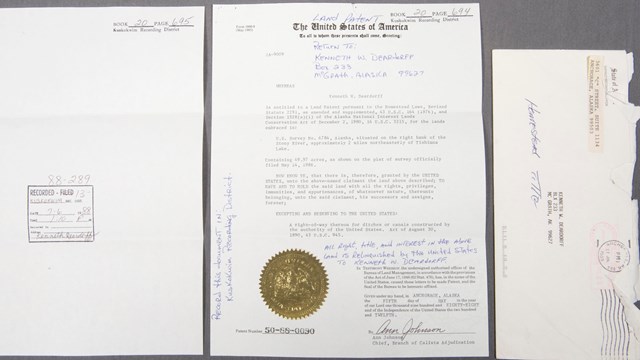
Homesteading Records
Every homesteading claim generated a patent sent and a written record known as a case file. Learn how to find these records. A homesteader had to be the head of a household or at least 21 years of age to claim a 160 acre parcel of land. Settlers from all walks of life worked to meet the challenge of "proving up". They included immigrants, farmers without land of their own, single women, and formerly enslaved people.
Visit our keyboard shortcuts docs for details
The Homestead Act of 1862 revolutionized U.S. management of public lands. Yet many laws needed to come before it to transfer 270 million acres from the public domain to homesteaders. Learn about how the Homestead Act intersected with debates on slavery and Native lands. The legislative building blocks of the Homestead Act include: The Land Ordinance of 1785, The Louisiana Purchase of 1803, Indian Removal Act of 1830, Indian Appropriations Act of 1851, and The Kansas-Nebraska Act of 1854. |
Last updated: October 12, 2022