PREFACE C

Constance Harriman


Archaeological resources possess an aura of mystery, almost of magic: a bit of pottery, a drawing on a lonely canyon wall, a carved ornament - the owners long since vanished. Historian Barbara Tuchman expressed it well: "The unrecorded past is none other than our old friend, the tree in the primeval forest which fell without being heard." Our archaeological resources are our key to that unrecorded past.

We hold in our own hands a sherd of pottery -- perhaps untouched by other human hands for a thousand years. From a hundred different facts about it, we can begin to reach into the past. We try to reconstruct the lives of people who had hopes, dreams, and fears probably very similar to our own. And in doing so, we gain an understanding of ourselves.

But half of the facts about the pottery sherd may be forever lost by such a simple action as its mere careless removal from the exact spot where it was discarded long ago. The thief of the saleable artifacts that lay near it has no regard for the information so casually tossed aside. These thieves are not just stealing a piece of pottery, or a bit of carved ornament. They are stealing from each one of us an irreplaceable part of our own human inheritance.

The authors, editors, and publisher of this volume are to be commended for providing such a timely and relevant set of articles on the topic of archaeological site protection. The articles provide up-to-date details on the problem, examples of efforts to fight looting, and descriptions of organizational, legal, and informational tools that can be used in our fight to protect the nation's archaeological resources. Taken in hand with the Society for American Archaeology's (SAA) recently released action plan to fight looting, Save the Past for the Future: Actions for the '90s, this volume should be of use and interest to many readers.

As the Assistant Secretary of the Interior for Fish and Wildlife and Parks, I am responsible for cultural and natural resource preservation policy development and implementation through programs managed by the Fish and Wildlife Service and the National Park Service. One of the major issues I face and in which I am keenly interested is the management and protection of our cultural heritage because lands managed by federal agencies contain hundreds of thousands of archaeological and historic sites that bear witness to our history.

In recent years, many of us in the conservation community have become increasingly alarmed at the rate at which our archaeological resources are being irretrievably lost. Thousands of archeological sites and historic structures on federal, state, and private lands are being damaged by acts of vandalism, looting for personal or commercial gain, natural deterioration, and modern development. Federal land managers must continuously make difficult decisions on how best to attack these problems within budget and workforce constraints. Because we are unable to protect in perpetuity all our archaeological sites, federal agencies are forced to choose and prioritize the sites to receive protection.

It is imperative that archaeologists and archaeological organizations, such as the SAA, become more directly involved with federal land managers. We need to work together as partners to decide how we can best achieve our common interests in archaeological preservation. If we do not work together in partnership and cooperative approaches to protecting our irreplaceable and historic resources, the future of the archaeological manifestations of our country's heritage will be seriously in peril.

Paralleling the SAA Save the Past for the Future effort, Secretary of the Interior Manuel Lujan recently announced a new national strategy for archaeology programs in the Federal Government. On

March 20, 1990, he issued a directive on protection of archaeological resources. His directive urges program managers to place greater emphasis on four program areas. Department of Interior land managers are to:

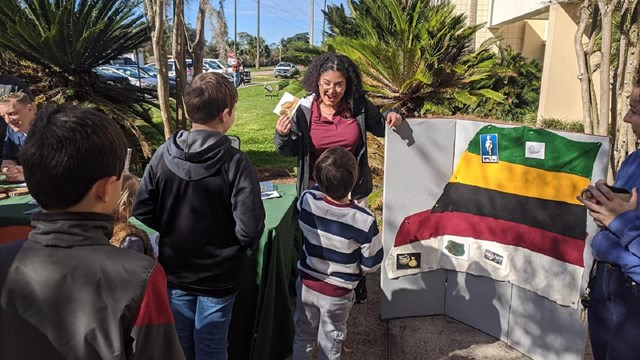
  1. Emphasize public education activities for citizen participation in archaeological projects
  2. Explore ways federal and other public agencies can cooperate to prevent resource destruction and to discourage looting
  3. Improve the exchange of information between federal agencies about archaeological reports and investigations they undertake, and
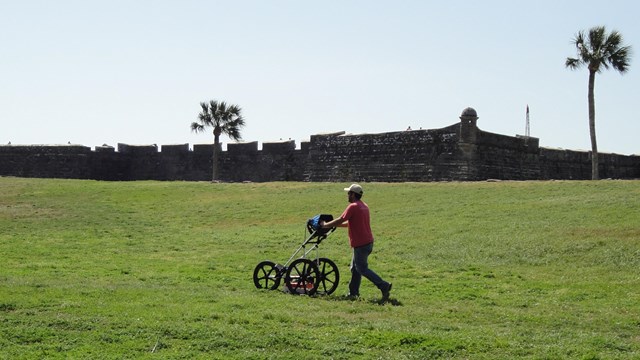
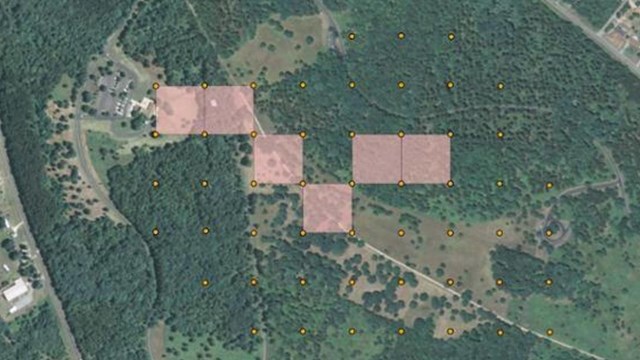
  4. Survey public lands to locate and evaluate sites and implement programs to address the monumental challenge of curating federal collections and data.

Both Secretary Lujan and I believe that all federal agencies should focus more attention on these four program areas. I urge archaeologists, as well as federal land managers, to immediately undertake all of these important activities.

I believe that the SAA's Actions for the '90s and Interior's initiative will enhance the preservation of America's rich archaeological heritage. Given the magnitude of the challenges before us and their urgency, we must work together - public agencies, archaeologists and their professional organizations, and the American public - to improve archaeological preservation in the years ahead.


Return to the Table of Contents

Open the Microsoft Word Version of this Article