CHAPTER 4
PROTECTING ARCHAEOLOGICAL SITES THROUGH EDUCATION
SAVING SITES: PRESERVATION AND EDUCATION
Shereen Lerner
Introduction
The term "archaeology" connotes different images and meanings to different people. Some people think archaeologists study rocks; others conjure up images of King Tut, Indiana Jones and the romanticism of archaeology as a glorified science with a "thrill of discovery". Somehow a middle ground between these two images must be found; to explain that archaeology includes everything from the study of rocks (lithics and groundstone, for example), to the discovery and excavation of ancient cities, temples, and shrines. One of the most rewarding exercises an archaeologist, as educator, can undertake is to introduce a novice to the archaeological experience of the first time. Be it through a lecture or actual fieldwork, the reaction is often the same; one of interest and excitement in discovery. It is said that archaeology can be equated to assembling a puzzle where some of the pieces may always be missing, thus requiring conjecture on the part of the scientist. It is piecing together the puzzle of past lives that is exciting, and bringing that excitement to the public is part of our mission in preservation and education. Preservation of the past is accomplished not only by saving the physical remnants of previous cultures but also through education of the value of learning about the past. People have an inherent curiosity about the past; in 1980 a National Park Service study on tourism found that visiting historic sites was the third most cited reason people travel, following only visits to family and friends. In Arizona, archaeological parks such as Walnut Canyon, Wupatki and Canyon de Chelly achieve high rates of visitation year after year. In Europe, tourism is focused on historic towns, churches and other noteworthy sites; such places are considered primary reasons people choose to travel to European countries. Reaching people, and educating them about archaeology, preservation and the past means trying to address some of these ideas about the past. Programs should be designed to foster a preservation ethic and inform the public on the value of archaeology as a science. We as educators must try to reinforce the preservation ethic in a positive way. First, we must determine the message(s) we are trying to convey. At a recent workshop (Save the Past for the Future) on preventing vandalism of archaeological sites, the participants considered what we are trying to convey to the public through education, volunteer and public outreach programs. The messages that we are trying to convey to the public are:
(see Reinburg, Judge this volume for discussion of the SAA's "Save the Past for the Future" project and the Taos Conference.)
Education as an Opportunity
Education programs are currently used to teach an awareness of, and respect for, the past, to explain the importance of archaeological research, and what archaeology and cultural resources can give to the public. These programs may be broken into a formal classroom style approach and one that targets particular groups. In this regard, there are a number of different types of educational programs that can be made available to both the young and old. With regard to formal education, it appears that most educational programs in the school systems mandate history units between grades 4 and 8, thus providing a "window of opportunity" to address preservation issues. Programs such as summer field schools which teach field techniques, laboratory work and address theoretical issues are an excellent opportunity for hands-on application by the student. Incorporating archaeology directly into the school curriculum, whether as a separate unit or as part of an already existing topic (e.g. art history, history, social studies) is an approach taken by many. Curriculum guides have been developed which provide teachers with educational materials appropriate for the classroom, lesson plans, slide programs and activities which can be used in the classroom. Workshops to train teachers are currently being conducted throughout the country by archaeologists and educators to provide teachers with this newly developed information (Rogge and Bell, 1989, also see McNutt, Hawkins, and Rogge this volume for further discussion of school curriculum). The Toronto public school system has hired archaeologists to work within the system, developing curricula and hands-on opportunities (see Smartz this volume for a discussion of the Toronto program). Coordinating with groups with related interests, such as environmental education is also important. "Camp Cooper, Arizona; Archaeology is More than a Dig" (Shurban, 1989) provides in-service teacher training, classroom materials, field camps, and participatory archaeology integrated into an environmental curriculum. In Arizona recent legislation to fund an environmental education program came about as the result of the efforts of groups involved in both natural and cultural environmental issues. While there are a number of excellent programs being used to disseminate archaeological information through public school systems, they have evolved with little coordination and direction. Currently, there is no nationally recognized mechanism for the exchange of information and ideas, and no guidance in the development of minimum standards for education programs. At present, there is little or no data available on the effectiveness of these programs, and process and outcome measures are significantly lacking. It is important that we establish a national clearinghouse for the exchange of information on program and curriculum development (see Knoll this volume for a discussion of a national clearinghouse for archeology education, LEAP). Such a center would also enhance communication among educators. Finally, programs should be evaluated for their effectiveness, and results compared to those of other environmental programs. Such an evaluation will require consensus on desired outcomes, and agreement on program goals and objectives. Public education programs can be effectively used to take archaeology beyond the classroom by targeting special interest groups with activities and programs tailored to fit their needs, interests, and schedules. For example, senior citizens are often an excellent source for volunteers, and can be reached via lecture series and special programs; service groups can both participate in preservation activities and may also be a source of project funds when educated about preservation. Owners of archaeological sites may be enlisted to protect and preserve sites, while art museums can educate the public on the value of the artifact as both art object and source of information, and recreation groups can protect the cultural resources while they enjoy the natural areas and outdoor experience. Finally, legislators can play a major role through development of the legal framework to increase awareness and enhance preservation, and by committing funds directly and indirectly for both preservation and education (see Neumann this volume for a discussion of legislative involvement in archaeological site protection). There are numerous other special interest groups who can be reached through various educational programs, and efforts should be made to develop creative approaches to bringing the message of preservation to them.
Volunteerism in Archaeology
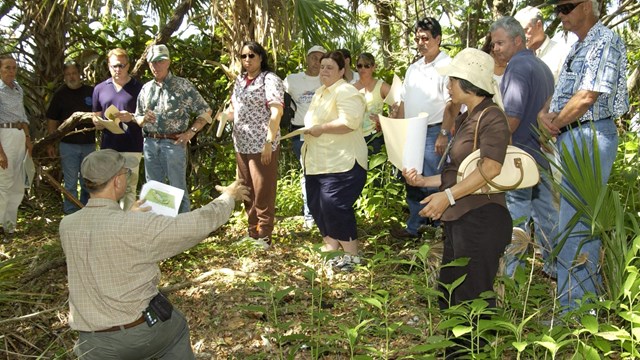
Volunteer programs are often used to provide a means for the public to enjoy archaeology, learn about the past, increase public awareness of cultural resource values, and change attitudes toward preservation as a goal. Volunteers are highly divergent in their interests and levels of experience, therefore, volunteerism messages and opportunities that are offered vary, depending on the group or organization being targeted. Through a variety of public programs it is possible to build support in the general population to foster the preservation ethic. There are several excellent and creative programs now in existence that could be enhanced to increase membership and interest in archaeology. The Site Steward program (Pilles, 1989; also see Hoffman this volume) consists of statewide networks of citizen volunteers who monitor archaeological sites on lands of all participating jurisdictions. In essence, these volunteers are used to safeguard and help preserve significant cultural resources. Presently, only six programs have been identified worldwide: Saskatchewan, Ontario, Australia, British Columbia, Texas, and Arizona. In Arizona, the largest of these programs, volunteers are certified as stewards upon completion of an orientation program and function under volunteer agreements signed with each agency upon whose lands they work. The program includes a Statewide Coordinator, 22 Regional Coordinators, and more than 300 Stewards, all of whom are volunteers. For the most part, Stewards are not professional archaeologists, but citizens who have an appreciation and respect for heritage values. As a result of the efforts by the stewards, more than 250 archaeological sites are inspected on a regular basis. The program recently received the 1990 Governor's Award for Historic Preservation and has been highlighted on both the national and state level as an example of volunteerism in action. Avocational archaeological societies are organizations which provide citizens with an interest the opportunity to learn about and participate in archaeology at their own pace, and in accordance with their own schedules. These societies range in size and scope from loosely organized local clubs to state societies. Many enforce a code of ethics, and some have well-organized certification programs to train members in archaeological techniques and procedures. Certification programs exist in more than a dozen states, and all are designed to improve the competence of their members and volunteers. Such organizations may conduct their own excavations of sites or provide a pool of trained volunteers to assist in surveys, excavations or rock art recording in cooperative arrangements with professional archaeologists and land management agencies (see Davis this volume for further discussion of avocational archaeological societies). Museum docent programs offer public tours of museum exhibits and outreach programs in local schools. Docent programs, such as that of the University of New Mexico's Maxwell Museum, serve the dual purpose of instilling preservation values in volunteers who train to be docents and spreading awareness to the general public by providing a forum for docents to teach others. By emphasizing the importance of archaeological context, and the concept of artifacts as carriers of information rather than objects of art, volunteer docents can make a significant contribution to preservation awareness. There are other worthy programs which involve volunteers in participatory archaeology, notably Crow Canyon and Earthwatch (Hays, 1989), where volunteers pay their own expenses, and sometimes an additional amount to cover salaries of professional supervisory personnel, to participate in an archaeological project such as excavation or rock art recording. Federal and state agencies also have encouraged public participation in archaeology for many years. Volunteers have been used to perform a variety of cultural resource management activities, including field inventory, site patrolling, site fencing, archival research, oral history projects, development of interpretive materials, excavation and stabilization. The U.S. Forest Service "Passport in Time" program includes all aspects of heritage management and protection, while increasing awareness of, and providing opportunities for, the public to enjoy archaeology. As with public education, there is currently no formal mechanism for evaluating the effectiveness of volunteer programs in increasing preservation values. However, judging from the strong participation enjoyed by most of these programs it can be assumed that they are successful in stimulating interest in archaeology. As an alternative to classroom instruction, volunteer programs are an excellent means of demonstrating the difference between archaeology and collecting, while providing an experience that is both enjoyable and educational.
Public Programs
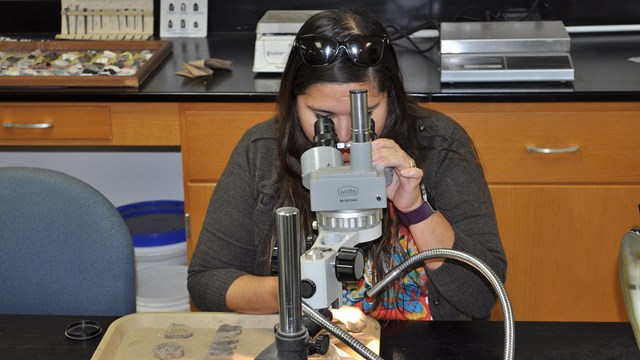
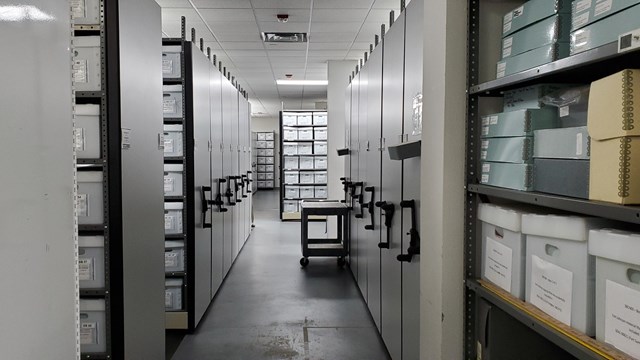
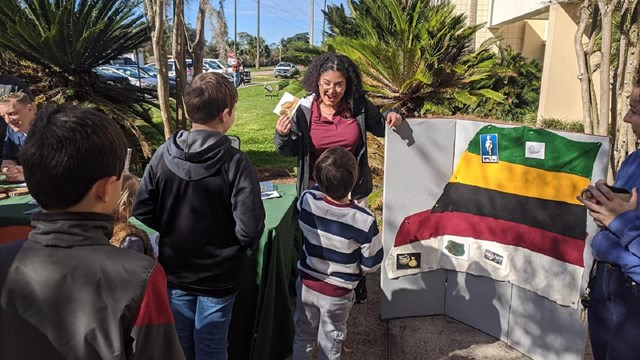
A third means to reach the public is through public archaeology programs which do not necessarily require any long term commitment from the public. In essence, the public participates by responding to the events placed before them. Structuring these events to bring across the message of understanding and respecting heritage resource values, and to develop a sense of public responsibility to preserve archaeological resources are keys to success. Specific objectives of these programs include sharing the archaeological experience with the public, teaching an understanding and respect for other cultures, values and diversity; for archaeological resources, values and techniques and for the laws which protect these resources. There are numerous examples of public programs that are currently used to bring archaeology into the public eye. Archaeology Week (Hoffman and Lerner, 1988, 1989) now occurs in more than half a dozen states and is designed individually by each state to promote and publicize the positive side of archaeology. These celebrations usually include, in a concentrated time period, many of the activities discussed in this chapter. Such activities also occur year round at individual events and locations, and are not exclusive to Archaeology Week celebrations. Living history and demonstrations on prehistoric technology and life are extremely popular with adults and children who enjoy "reliving the past". Tours of archaeological sites, which range from 30 minutes to several hours, as well as those which are commercially organized and may last for several weeks and visit numerous sites, certainly bring the resource closer to the public. In this regard, open houses by museums and laboratories are valuable in bringing the public "behind the scenes" to view archaeologists in action, open previously restricted collections for viewing and provide opportunities to learn about the preservation of the artifact as part of a culture. Hands-on workshops including such activities as stringing corn and seed necklaces or making canteens and pouches form gourds, give people the opportunity to recreate the past for themselves. Traveling exhibits are another means to bring archaeology to the public. Exhibits are specifically designed to illustrate some aspect of archaeology, ranging from artifacts to cultural history. They range from suitcase-sized exhibits designed for classroom use to multi-media, gallery-size displays such as the Tutankhamen exhibit. A wide diversity of media-related activities have been used to communicate archaeology to the public. A recent incident in Arizona where citizens banded together to halt construction on an archaeological site and burial ground, received sufficient media attention that it successfully increased public awareness of the lack of protection such sites currently have and resulted in public demand for legislative action to protect all sites and burial areas. Articles in periodicals that cater to special interest groups can be extremely beneficial in bringing the preservation ethic to the public. The incident at Slack Farm (Kentucky) which received national recognition as a result of the cover story in National Geographic increased public awareness of the problem of looting and vandalism of archaeological sites. As with the other programs, there is, as yet, no mechanism in place to evaluate the effectiveness of public programs and media campaigns. It appears, however, that existing efforts have focused on educating the public about the past, rather than on messages of protecting the past, sharing the archaeological experience, or developing an understanding and respect for cultural values.
Conclusion
Archaeology has traditionally viewed "informing the public about the past" as important but not its primary goal. As a result, the objectives of developing understanding and respect for cultural resources, and communicating archaeological values have not been effectively articulated, nor brought to the public in a clear and accessible manner. Those currently being reached are people who are already sensitized to archaeology and who share its values; it is a self selecting audience. There is a need to more effectively communicate these values to the majority of the American public. In that regard, media-related activities have been more effective in communicating the preservation ethic than most other public programs. The media can influence public attitudes, provide information on who people can contact if they wish to take an active interest and provide an opportunity to recruit children and instill proper values before their attitudes become fixed. However, the media has not been used effectively and the proper messages need to be brought to the public with regard to the preservation of archaeological sites, and the value which heritage resources bring to the general population (see Milanich, Bense this volume for further discussion concerning archaeology and the media). By examining and evaluating the status of existing programs designed to bring archaeology to the public in an effort to foster the preservation ethic, it is apparent that virtually all efforts to communicate with the public have been done by individual archaeologists and at local or state levels. There is a need to create a single, coordinated effort to evaluate the success of these programs, and to identify national strategies and objectives (see Harriman this volume for a discussion of a national strategy for archaeological programs in the Federal Government). The education process is a continuing one which can be molded for the audience, yet still provide an exciting and interesting experience for participants. Different experiences will foster differing images of archaeology and what it means to the public. The ethics of preservation cannot be easily taught for there is no simple answer as to why it is important to prevent the further destruction of our nation's heritage resources. A positive approach in explaining the value of these resources, the information they provide and the involvement of citizens in their preservation, can instill this ethic. The more people gain from a positive experience of archaeology, the more likely they will be to ultimately embrace and support the goals of preservation.
Acknowledgements: I wish to thank the members of the "Preventing the Problem" workshop held during the "Save the Past for the Future" Conference. Many of the ideas presented in this article came as a result of discussions held during the workshop. Full responsibility for the contents of this article, however, rest with the author.
References Cited
Hays, K. (1989) Men, Women and Dirt: Earthwatch Volunteers and the Homol'ovi Research Program, pp. 9-13. In Fighting Indiana Jones in Arizona: Proceedings of the 1988 American Society for Conservation Archaeology, Ed. A.E. Rogge, Portales, New Mexico.
Hoffman, T. L. and Shereen Lerner (1988) Arizona Archaeology Week: Promoting the Past to the Public. National Park Service Technical Bulletin 2.
Hoffman, T. L. and Shereen Lerner (1989) Arizona Archaeology Week: Promoting the Past to the Public, pp. 31-37. In Fighting Indiana Jones in Arizona: Proceedings of the 1988 American Society for Conservation Archaeology, Ed. A.E. Rogge, Portales, New Mexico.
Pilles, P. J. Jr. (1989) The Arizona Archaeology Advisory Commission and the Site Stewards Program, pp. 39-45. In Fighting Indiana Jones in Arizona: Proceedings of the 1988 American Society for Conservation Archaeology, Ed. A.E. Rogge, Portales, New Mexico.
Rogge, A. E. and P. Bell (1989) Teaching Teachers to Teach with Archaeology, pp. 69-74. In Fighting Indiana Jones in Arizona: Proceedings of the 1988 American Society for Conservation Archaeology, Ed. A.E. Rogge, Portales, New Mexico.
Shurban (1989) Archaeology is More than a Dig, pp. 75-79. In Fighting Indiana Jones in Arizona: Proceedings of the 1988 American Society for Conservation Archaeology, Ed. A.E. Rogge, Portales, New Mexico.
Return to the Table of Contents Open the Microsoft Word Version of this Article
|